
Matera Three-Day Itinerary: Sassi, Rupestrian Churches & Murgia
Plan three slow days in Matera: two Sassi districts, a cave-church circuit, an underground cistern, a Murgia walk and an easy Altamura excursion.
On this page
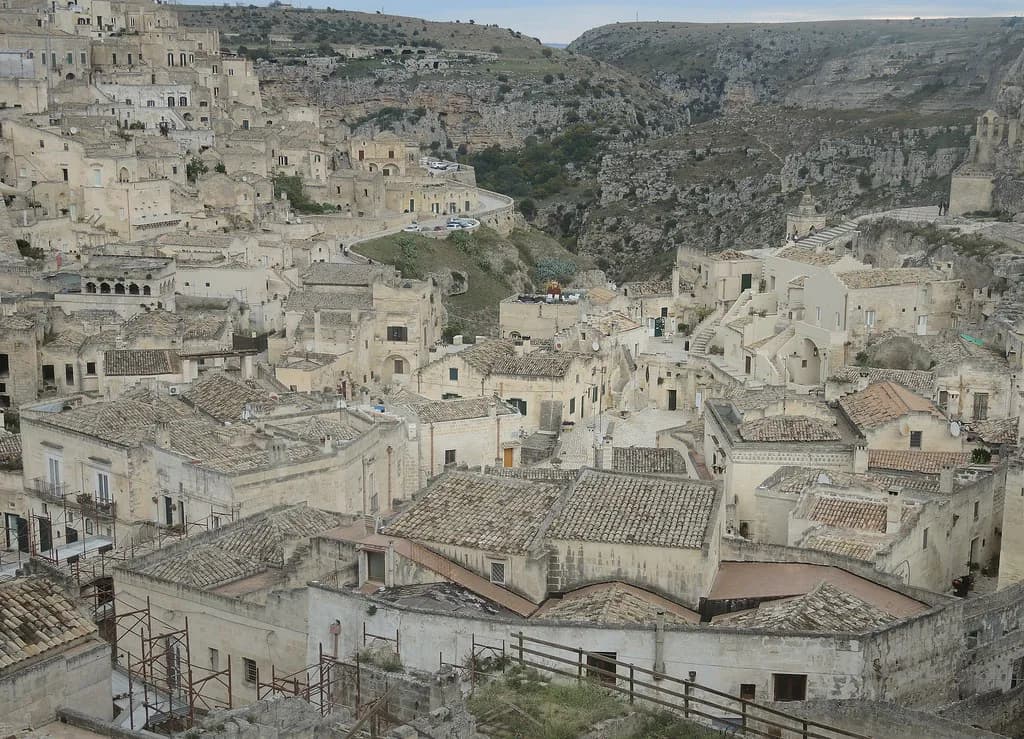
Matera is not a city you tick off in an afternoon. The old town splits into two distinct cave districts, Sasso Caveoso and Sasso Barisano, and the pleasure comes from descending between them on foot rather than circling a checklist. Building the plan around walking, with two anchor sights per day, keeps the trip humane.
A three-day shape works well: two days for the Sassi, the rupestrian churches and the underground cistern, then a third morning for the Murgia Materana park or a short excursion to Altamura. That final day is the real choice, and it depends on weather and how your feet are holding up. Matera sits in Basilicata, close enough to Puglia that many travellers combine the two.
Why Three Days Suits Matera
Two nights is the common minimum, but a third day changes the pace. The Sassi reward repetition: the same alley at morning, midday and dusk looks like three different places, and a day devoted to viewpoints and churches frees you from rushing the first descent.
Treat three days as an editorial suggestion rather than official guidance. If your interests lean to museums, ceramics and long lunches, three days fits comfortably; if you only want a first impression of the cave districts, two is enough and the extra day can go to the park or a nearby town.
Before You Go: Arrival, Base and Footwear
Ask one question before booking: do you want to sleep inside the Sassi or in the modern town above? A cave room is the memorable choice, but it comes with steep access and luggage-hauling that a car or taxi cannot always offset. Staying in the Sassi removes daily climbs, while the new town offers easier walking distances to bus and rail points.
Arriving without a car is workable but requires planning. In practice, travellers coming from Bari often use a bus link or a train route that connects through Altamura rather than running direct from Bari station, and the buses are usually quicker than the trains. Check current timetables with the operators closer to your date instead of relying on older advice.
Stone steps and sloped lanes define the old town, so pack shoes with real grip. The descent to the Ponte Tibetano and parts of the Murgia trail are described as slick after rain, and sun protection and water matter on the exposed side of the ravine.
Day 1 Morning: Piazza Vittorio Veneto and Casa Noha
Start above ground at Piazza Vittorio Veneto, which divides the modern town from the old one and holds several of the sites on this itinerary. Passing under the triple archway gives you a first framed view of the Sassi before you commit to the descent.
Before wandering, give the city context at Casa Noha, where a video exhibition walks through Matera's history, including the difficult years when cave dwellers lived without electricity or running water and the city was labelled the shame of Italy. Casa Grotta di Vico Solitario, with rooms furnished as they once were, is a good follow-up if the subject grips you.
Then descend into Sasso Caveoso, the more dramatic of the two districts, and let yourself get lost for an hour. Aim to end near San Pietro Caveoso, the church that anchors the lower edge of the district.
Day 1 Afternoon: The Cistern and the Late-Light Belvedere
Palombaro Lungo, the vast cistern carved beneath Piazza Vittorio Veneto, once held five million litres of water and takes only about fifteen minutes to see. It is also a cool refuge, so saving it for the hottest part of the afternoon makes sense.
Finish the day at the Belvedere Luigi Guerricchio, known as Tre Archi, where the view sweeps across the Sassi and frames the cathedral. Sunset is obvious, but the light is good at other hours too, so consider returning on your last evening for a different look.
Day 1 Evening: Aperitivo, Then a First Taste of Matera
Bars with terraces above the caves handle the aperitivo hour well; arrive early if you want a front-row view. For a first dinner, look for Cucina povera staples such as cialledda, a bread salad with fresh vegetables and olive oil, or fave e cicoria, broad beans with chicory.
Matera's bread appears at most tables, and the sensible way to try it is as bruschetta with tomatoes alongside your drink. Keep the evening short: stone staircases and dim lanes make the return to a cave room slower than the walk down.
Day 2 Morning: The Cave-Church Circuit
Begin with Chiesa di San Pietro Barisano, the largest of Matera's rupestrian churches, whose foundations date to the twelfth century and whose interior shows rows of burial niches. Entering the church itself is free, but some rupestrian interiors elsewhere are ticketed, so budget attention as well as money and check each entrance.
Cross toward Sasso Caveoso for Chiesa Rupestre di Santa Maria di Idris, set on the Monterrone hill above its neighbour, and San Pietro Caveoso below it. Santa Maria di Idris charges a small ticket for the crypt, separate from the free church below, and the fee is collected on site. The compound of Madonna delle Virtù and San Nicola dei Greci, a rock monastery complex at the edge of the Sassi, is the quiet third stop of the morning.
If you want a deeper read on the districts you have crossed, the hidden gems in Matera range from lesser-known rock complexes to overlooked corners of Sasso Barisano, and they slot naturally into this half-day.
Day 2 Afternoon: Museums or a Slow Wander
Choose one indoor anchor. MUSMA, housed in a seventeenth-century palace, sets modern sculpture against cave architecture, and the Laboratory Museum of Rural Life is a dense, slightly chaotic collection of craft tools. Both charge separate admission and neither includes the other, so pick according to your energy rather than trying to do both.
Alternatively, spend the afternoon on Via Madonna della Virtù, which curves along the back of the city and offers long views of the Sassi and the Gravina ravine. A leisurely self-guided walk through the Sassi works best without a fixed schedule, letting you stop where the stone opens up.
Day 2 Evening: Dinner with a View and the Dark Walk Back
Book one dinner with a view over the caves and keep the rest casual. Terraces fill around sunset, and restaurants on the edge of the Sassi serve local pasta and regional dishes without requiring a set menu.
Be realistic about the walk home. The Sassi turn genuinely dark soon after sunset, so carry a phone torch, note your route in daylight and choose accommodation that does not require a long unlit staircase at the end of the evening.
Day 3 Option A: Ponte Tibetano and the Murgia Park
Cross the Ponte Tibetano della Gravina and walk the clearly defined trails on the far side of the ravine for the classic view back over the Sassi. The suspension bridge is free to cross, the paths are well trodden, and a guide is unnecessary unless you want to go deeper into the park.
Go early. The trails on the park side stay shaded while the Sassi are lit by morning sun, which makes both the walking and the photography easier; the descent from the bridge is slick in places, so turn back if your footwear is inadequate.
This walk is the reason to keep the third day flexible. If rain has moved in overnight, swap it for the museum afternoon from Day 2 or an early departure and leave the park for a future visit.
Day 3 Option B: A Half-Day in Altamura
If you would rather see another town than another ravine, Altamura is the most convenient excursion: it sits within easy reach north of Matera and connects by train, making it the realistic car-free add-on. Its cathedral square and bread bakeries fill a half day comfortably.
Places further afield in Puglia, such as Alberobello, Polignano a Mare or Bari, are better with a car and more time than a single morning allows. A wider Matera day trips guide is the place to compare options before committing.
Adding a Fourth Day or the Crypt of Original Sin
With a fourth day, add the Crypt of Original Sin, a frescoed rock church about fifteen minutes southwest of Matera by car; public transport does not reach it, so you need your own vehicle or to join an organised tour, and independent visits require a reservation.
A fourth day also opens up the wider region, including the abandoned hill town of Craco, which rewards travellers with a car and an interest in Basilicata's emptier landscapes.
Seasonal Trade-offs
Spring and autumn give the best walking weather: warm days, cool evenings that call for a jacket, and fewer people than high summer. Summer heat makes the aimless wandering that defines Matera far less pleasant, and crowded viewpoints test patience.
Winter is mild here, though some restaurants and bars close for seasonal breaks, so you may find a narrower choice of places to eat. If you are deciding between months, the best time to visit and avoiding crowds advice covers the trade-offs in more detail. For wider planning, see Best Time to Visit Matera.
Practical Pacing and Guided Options
Keep to two or three anchor sights a day and leave slack for unplanned wandering, which is the real attraction of the Sassi. Book cave accommodation early, since the most atmospheric rooms are limited, and confirm details directly with the property.
Guided walking tours and food experiences are a useful shortcut to the city's history; Materaturismo, operated by Ferula Viaggi, has run tours here since 2002 and publishes its current itineraries and contact details on its site, where you can confirm what is available for your dates.
Plan Your Visit
Three days in Matera come down to a simple structure: context and the cistern on day one, churches and museums on day two, and a ravine walk or Altamura on day three. Keep the walking realistic, carry grip on your shoes and a torch for the evening, and the old town will do the rest.
Before you go, confirm transport timetables and any ticketed interiors directly with the operators, and use the Matera Attractions hub to match each sight to its own visiting details.
Frequently Asked Questions
How many days are enough for Matera?
Two nights covers the essentials, but three days let you walk both Sassi districts slowly and still keep a morning for the Murgia park or Altamura. Treat that as a recommendation, not official guidance. If you only want a first impression, two days and a two-day itinerary is plenty.
What should you not miss in Matera in three days?
Prioritise Casa Noha or a cave house for historical context, the Palombaro Lungo cistern, San Pietro Barisano and Santa Maria di Idris among the cave churches, and the Tre Archi belvedere. The Murgia walk via the Ponte Tibetano is the best use of the third day in good weather.
Is it worth staying in a cave hotel in the Sassi?
A cave room is the memorable way to experience Matera, but expect steep access and stairs with luggage. Staying inside the Sassi removes daily climbs and shortens evening returns to your room; the modern town above is easier for early departures and for anyone uneasy on uneven stone.
Do you need a car to visit the Murgia Materana Park?
No. The trail begins within walking distance of the Sassi, crossing the Ponte Tibetano della Gravina onto the park side. You do need proper footwear because the descent from the bridge is slick in places, and going early gives you shade and better light on the Sassi.
Is Altamura a good day trip from Matera without a car?
Altamura is the most practical excursion without a car, since it connects by train and is close enough for a half day of cathedral square and bread bakeries. Further Puglia destinations such as Alberobello or Polignano a Mare are better with a vehicle and more time.
Is Matera walkable, and how hilly is it?
The old town is entirely walkable but steep, with stone steps and sloped lanes between the two Sassi districts. Plan fewer stops per day than you would in a flat city, wear grippy shoes, and allow extra time for the evening walk back to a cave room.
Sources
Continue exploring
More guides you'll find useful





