
Best Time to Visit Matera — and How to Avoid the Crowds
Spring and autumn give you warm walking weather in Matera, while summer brings heat and crowds. Start early, stay overnight, and see the Sassi without the crush.
On this page
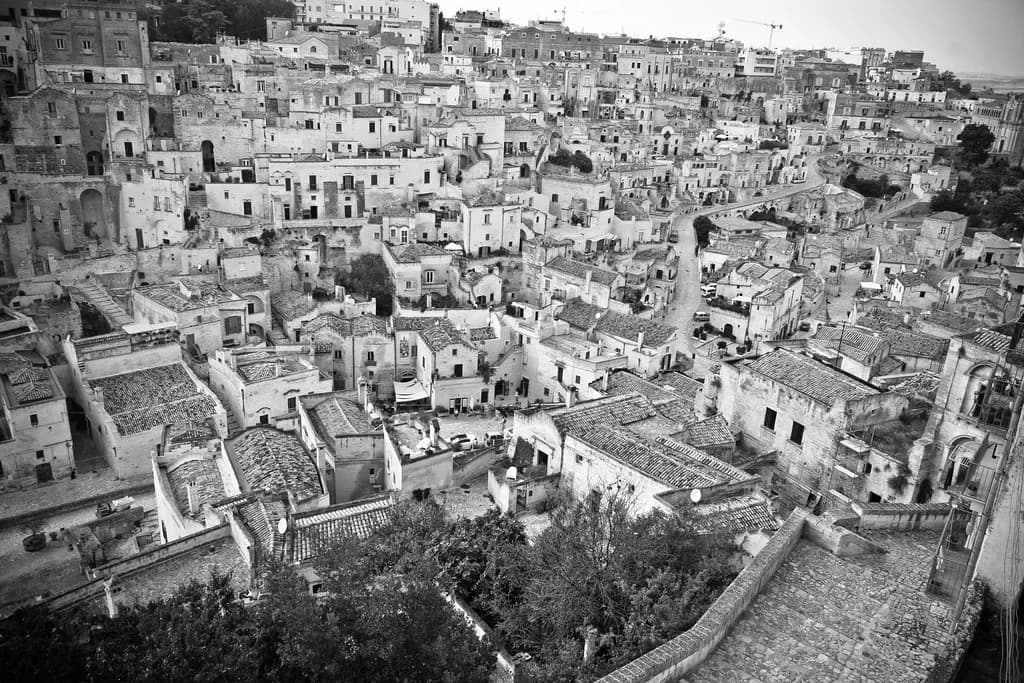
Matera is built in layers, with streets that run across rooftops and staircases that open onto unexpected views. That compact, vertical geography is what makes timing matter so much: the same alley can feel entirely different at dawn and at midday, and a single afternoon is rarely enough to see it settle after the day-trippers leave.
This guide treats the decision as two questions rather than one. Which season gives you the weather and crowds you can handle, and which hours inside that season let you move through the Sassi on your own terms? Our suggestions lean on published travel accounts, so treat the durations and timings here as planning advice rather than official guidance.
Why Timing Shapes a Matera Trip
The historic centre is small enough that most visitors cover its main viewpoints and streets on foot in a day, which is exactly why its busiest corners fill up so predictably. One traveller's account notes that Matera's principal viewpoints and streets can become busy during the daytime now that the city sits firmly on the southern Italy tourist trail.
The Sassi divide into two districts, Sasso Barisano to the north and Sasso Caveoso to the south, with the Civita and cathedral along the ridge between them. That layout rewards a plan built around one area at a time rather than a checklist spread across the whole city.
Because so much of the pleasure comes from wandering without a fixed route, the practical decision is how much of the day to leave unbooked. A first walk through the alleyways costs nothing and tells you which corners you want to return to, while paid interiors work better once you understand what you are looking at.
A Season-by-Season Overview
Spring brings warm days and famously blue skies, though one account of an early-April visit notes chilly nights and a jacket-worthy drop in temperature after sunset. Rain is also more typical in spring than a single sunny trip suggests, so pack for both.
Summer in southern Italy is intense, and the same account warns that aimless walking, the best way to experience Matera, becomes far less enjoyable as temperatures climb towards forty degrees. Summer is also the busiest season, so the streets you came to see are at their most crowded.
Autumn mirrors spring in its mild weather and thinner crowds, which makes it a strong choice for anyone planning long walking days. Winter stays comparatively mild given how far south Basilicata sits, but some restaurants and bars take holidays when tourists thin out, leaving fewer options at mealtimes.
Why Spring and Autumn Suit Walkers Best
One widely shared planning note recommends April and June or September and October for warm days without the worst of the summer heat and crowds. Those windows are a sensible default rather than an official ranking, and they suit anyone whose itinerary depends on being outdoors for hours.
Shoulder-season weather lets you keep the day loose: a morning of alleyways, a midday pause, then a second walk once the light softens. That rhythm is difficult to sustain in high summer, when even short climbs between levels feel harder and the temptation is to retreat indoors.
If your dates are fixed by flights or school holidays, treat the season as context rather than a verdict. Shift your walking to the cooler ends of the day, build in a long shaded lunch, and save the climbs for when the stone has lost its heat.
Summer in Matera: Heat, Crowds and the July Festival
Summer is worth choosing deliberately rather than by default. The Madonna della Bruna festival falls on 2 July, and one account describes it as genuinely rowdy, with crowds tearing apart the parade floats, so it rewards visitors who actively want that atmosphere and warns off those who would find it intimidating. No programme beyond the traditional 2 July observance is confirmed here, so check with the city before building a trip around it.
Outside festival days, summer asks for a different structure: early starts, a long break through the hottest hours, and a return to the Sassi in the evening. Book cave interiors as a heat strategy as much as a cultural one, since they offer shade and a reason to be indoors at midday.
The compensations are real. Long daylight hours stretch the evening in the Sassi, and the light on the stone is at its most dramatic. If you can tolerate the heat and the company, summer delivers a version of Matera that shoulder-season visitors never see.
Winter in Matera: Mild Days and Thinner Crowds
Winter is the quietest of the four seasons, and Matera's southern latitude keeps it mild compared with most of Italy. The trade-off is choice: with fewer visitors around, some restaurants and bars close for their own holidays, so a favourite listed in a guide may simply be shut.
For travellers who care more about atmosphere than a full restaurant shortlist, that exchange can be worthwhile. Empty stairways, low light and space to stand at the viewpoints are exactly what a crowded spring afternoon withholds.
Check opening arrangements directly before you travel and keep a second option for each meal. Winter rewards flexible planning more than it rewards a tightly booked schedule.
Best Time of Day: Early Starts and Shaded Middays
If you want the streets close to empty, go out around seven in the morning. One account describes roaming at that hour and finding the city like a private museum, which is as strong an argument as any for setting an alarm on holiday.
The middle of the day is the moment to step inside rather than climb. Between roughly late morning and mid-afternoon, the stone radiates heat and the main viewpoints fill; move your cave interiors, church visits and long lunches into that window.
Evenings restore the balance. Once the day-trippers have gone, the alleyways empty and the same routes you walked at noon feel like a different city, which is when a slow second wander pays off most.
Stay at Least One Night to See the Sassi Empty
An overnight stay is the single most effective crowd strategy in Matera, because the city changes character once the day visitors leave. One account makes the point plainly: book two nights if you want time in the Sassi after the day-trippers go and a crossing into the Murgia without rushing.
Another traveller who spent two nights there argues that two or three nights is the right range, and that treating Matera as a day trip undersells a place that rewards walking. We would frame that as our suggestion for a comfortable pace rather than an official minimum.
If you only have one day, choose it deliberately. A single day can work well in low season or with a very early start, and a focused route through the two districts will cover more than a scattered one. For wider planning, see Matera One-Day Itinerary.
Rain, Footwear and Steep Stone Paths
Matera is a city of stairs, and wet stone changes the rules. One walker describes the descent towards the ravine footbridge as slick in places and advises caution without proper shoes, a caution that applies just as well to the polished steps between the Sassi.
Grippy soles and a light rain layer belong in every bag regardless of season, and spring showers make that doubly true. Wet weather is not a reason to cancel the trip, but it is a reason to slow down and choose flatter routes on the day.
Rain also shifts the plan indoors, which is where knowing your options helps. Cave houses and rock churches give you somewhere dry to be while the stone dries, and the crowds thin out considerably when the weather turns. For wider planning, see Matera rainy day guide.
Structuring a Crowd-Light Day
Start with context rather than scenery. Casa Noha, a historic house near the cathedral, runs a short multimedia presentation on how the Sassi developed, the poverty endured there and the long restoration that followed, and one account regrets missing it. Check current opening days and booking arrangements on its official site rather than relying on older figures.
With that background in place, walk the two districts on foot in a single loop: descend from Piazza Vittorio Veneto into Sasso Barisano, climb towards the cathedral, then cross the ridge into Sasso Caveoso. One account notes you will get lost and double back, and that both are part of the experience.
Choose one cave dwelling rather than several, since the reconstructed interiors tell much the same story. Several are run as small museums with separate entry arrangements, so check each one's published details on the day instead of assuming a shared ticket.
Save the viewpoints for late afternoon and the underground cistern of Palombaro Lungo, a short self-guided visit beneath Piazza Vittorio Veneto, for a hot or wet hour. Its official pages carry current access details, and it makes a useful reset between longer walks.
Adding the Ravine Crossing and Murgia Paths
Across La Gravina, the Murgia Materana park holds caves and rock churches that predate the Sassi in their origins. Trail 406 begins at Porta Pistola and drops to a suspended footbridge before climbing the far side to a belvedere with the best view back across the city.
Do this early if you can, as one walker recommends, when the trails sit in shade and the Sassi are lit by the morning sun. It also means the climb happens before the heat builds, leaving the afternoon free for gentler ground.
If time or energy is short, the footbridge alone is worth the walk for the view from its middle. Treat the full loop as a half-day rather than an add-on, and check access arrangements for individual churches before counting on entering them.
Walkers who want more ground covered can spread the city and park across separate days. A three-day itinerary gives the crossing its own morning and keeps the Sassi for the quieter ends of the day.
Practical Planning: Arrival, Parking and the Sassi
Bari Airport is the usual gateway, with direct buses into Matera; one account puts the ride at roughly forty minutes, another describes it more loosely, so check the current timetable with the operator rather than relying on either. Trains are slower and less frequent, often routing through Altamura, which makes buses the simpler choice for many arrivals.
Drivers should arrange parking before arriving and never enter the Sassi restricted traffic zone without instructions from their accommodation. One account flags exactly that constraint, and it is the kind of rule that turns a smooth arrival into a stressful one when discovered at the barrier.
Local operators run guided walks and food experiences across the Sassi and the Murgia, including itineraries that pair the classic routes with regional cooking. Booking through a licensed local operator gives you a contact point if plans shift with the weather.
Mistakes to Avoid
The most common error is treating Matera as a rushed stop between Bari and Puglia. The city rewards time after the coaches leave, and a two-night stay costs you little in travel terms while changing what you actually see.
The second is over-scheduling paid interiors. Each cave house, rock church and museum is modest in size, but together they eat a day; pick the ones that match your interests and leave the rest for a return visit.
The third is ignoring heat and terrain. Build in shade, water and a real lunch, wear shoes that grip wet stone, and resist the urge to climb every staircase in the middle of a summer afternoon.
Plan Your Visit
Matera works best when you choose both a season and an hour: spring or autumn for walking weather, an early start for empty streets, and at least one night so you see the Sassi after the day crowds drain away. Winter offers calm at the cost of some closed doors, and summer asks for a slower, shade-led rhythm.
From there, the details are simple: grippy shoes, a flexible plan, a cave dwelling for context, and a check of official pages for anything that changes. Our self-guided route through the Sassi is a good next step for shaping the walking itself.
Frequently Asked Questions
What is the best month to visit Matera?
April, June, September and October are the months most often recommended for warm days without peak summer heat and crowds. That is travel-advice guidance rather than an official ranking, and late spring and early autumn usually give you the most comfortable conditions for long walks through the Sassi.
Is summer too hot and crowded in Matera?
Summer is both the hottest and busiest season, and walking aimlessly through the stone streets becomes uncomfortable as temperatures climb. You can still visit by starting early, resting through the middle of the day and returning in the evening, but expect company at the main viewpoints.
What is Matera like in winter?
Winter is mild compared with most of Italy and noticeably quieter, which suits travellers who value atmosphere over a full restaurant list. The trade-off is that some restaurants and bars close for holidays when visitors thin out, so check opening arrangements before you travel and keep backup options.
What time of day is Matera least crowded?
Early morning is the quietest window, with one account describing the city around seven as effectively your own. Midday draws the heaviest footfall at viewpoints and along the main streets, while evening brings a second calm stretch once day visitors have left.
Do I need to stay overnight to avoid crowds in Matera?
An overnight stay is the most reliable crowd strategy, because the Sassi empty once the day-trippers go. Two nights are often suggested for exploring after the crowds leave and crossing into the Murgia without rushing, and we would treat that as a comfortable pace rather than a rule.
Is Matera worth visiting in the rain?
Yes, provided you adjust your plan rather than cancel it. Wet stone makes the staircases and ravine paths slick, so wear shoes with grip, choose flatter routes on the day and use the rain as a reason to visit cave interiors and rock churches while the streets dry.
How many days should I spend in Matera?
Two nights give you time in the Sassi after the day crowds leave and a ravine walk without hurrying, while a single well-planned day covers the main districts if you start early. Treat these as suggestions for pacing rather than an official minimum.
Sources
Continue exploring
More guides you'll find useful





