Como One Day Itinerary: Lakefront, Funicular and Villas
A realistic one-day Como itinerary: morning lakefront, the funicular decision, lunch, villa or ferry afternoon, and clear cut-lists for late arrival or rain.
On this page
A single day in Como forces one honest choice before you leave your hotel: spend it in the town itself, or use the town as a launch pad for the mid-lake villages. Como is the largest settlement on the lake and the place where most visitors arrive by train, which makes it convenient but not central for exploring the lake's middle section. Trying to do the town, the funicular, a villa and Bellagio in one push usually produces a day spent watching jetties.
This plan is a suggestion, not an official schedule. It works in three loose blocks: a morning around the Duomo and lakefront, a midday decision about lunch and the funicular, and an afternoon that either stays local or crosses the water. One concrete anchor: the city publishes that tickets for the Pinacoteca civica, the Tempio Voltiano and the Cattedrale can be bought online through its museum ticketing service, so checking that page before you travel is worth ten minutes.
Treat every time reference here as a rough block rather than a clock schedule, and verify operating details directly with the funicular operator, the ferry company and each villa before you commit. That matters more than any itinerary, because a single closure reshuffles the day.
Why Como Town Sets the Shape of Your Day
Como sits at the southern tip of the lake, and that geography decides what fits. The town gives you the widest choice of lodging, food and shopping on the lake, which is exactly why it makes a comfortable base, but its position means the celebrated mid-lake villages sit across the water rather than around the corner. If you want to see Bellagio properly, plan on the ferry consuming a real slice of your day rather than a quick hop.
If your interests lean toward quieter corners and overlooked stops rather than headline villages, a day built around Como's own edges may suit you better than a ferry dash. Our guide to hidden gems in Como is a useful companion for deciding whether to stay put, and it pairs naturally with a slow morning on the waterfront.
A realistic suggested duration for the town-only version is a relaxed half day plus lunch, with the rest of the day absorbed by the lakefront and one paid interior. If you add the funicular or a ferry crossing, expect the day to feel full rather than leisurely. Decide which of those two you would rather sacrifice before you arrive.
Morning: Duomo, Piazza and the Lakefront Walk
Start on foot in the centre, where the Duomo and the surrounding piazza give you an orientation point without requiring a ticket. From there, walk down to the lakefront and follow the promenade; this is the free, low-commitment part of the day, and it is also the part that survives bad weather least well. Keep the walking loose rather than pencilling in a stop every fifteen minutes.
The Cattedrale appears on the city's online museum ticketing service alongside the Pinacoteca civica and the Tempio Voltiano, which tells you that bookable admission exists for the cathedral in some form. The city's listing does not spell out what a cathedral ticket covers versus free entry to the building, so confirm the scope on the ticketing page before you decide whether to pre-book. Do not assume one purchase covers all three sites.
If you plan to visit the Pinacoteca civica or the Tempio Voltiano, treat each as a separate paid interior and check availability on the city's museum page rather than assuming walk-in entry. A morning that includes one of them plus the lakefront is a sensible town-only shape.
The Funicular and Brunate as a Discretionary Time Block
The climb to Brunate is best imagined as a block of time rather than a scheduled stop. Weather, queues and your own energy all affect whether it earns its place, and the operator's published information does not give a timetable, fare or queue estimate here. Check the funicular company's own page on the day, then decide: clear skies and a free late morning make it attractive, while low cloud removes most of the reason to go up.
If you do go, accept that the funicular effectively removes a chunk of the middle of your day, which pushes any ferry crossing into the afternoon. That trade-off is the real cost, not the ticket. Arriving late is the other trigger to skip Brunate entirely, because a rushed ascent and descent delivers little beyond a view you may not get.
Lunch: Quick Counter Versus Sit-Down Lakefront
Lunch is the decision that shapes your afternoon. A quick pasta or a gelato eaten while walking keeps the middle of the day short and leaves room for a ferry crossing or a villa garden. A sit-down lakefront meal trades that flexibility for a proper pause, and on a one-day visit the cost is usually a dropped stop rather than a disaster.
Travel blogs recommend specific trattorias and gelaterie around Bellagio and Varenna, but these are third-party opinions rather than verified current operations, so use them as leads and check the venue's own page for hours and closures. In Como town itself, the density of options near the centre means you rarely need a reservation to eat well at midday. Keep the meal simple if a ferry is in your plan.
Paid and Free: What Each Ticket Actually Covers
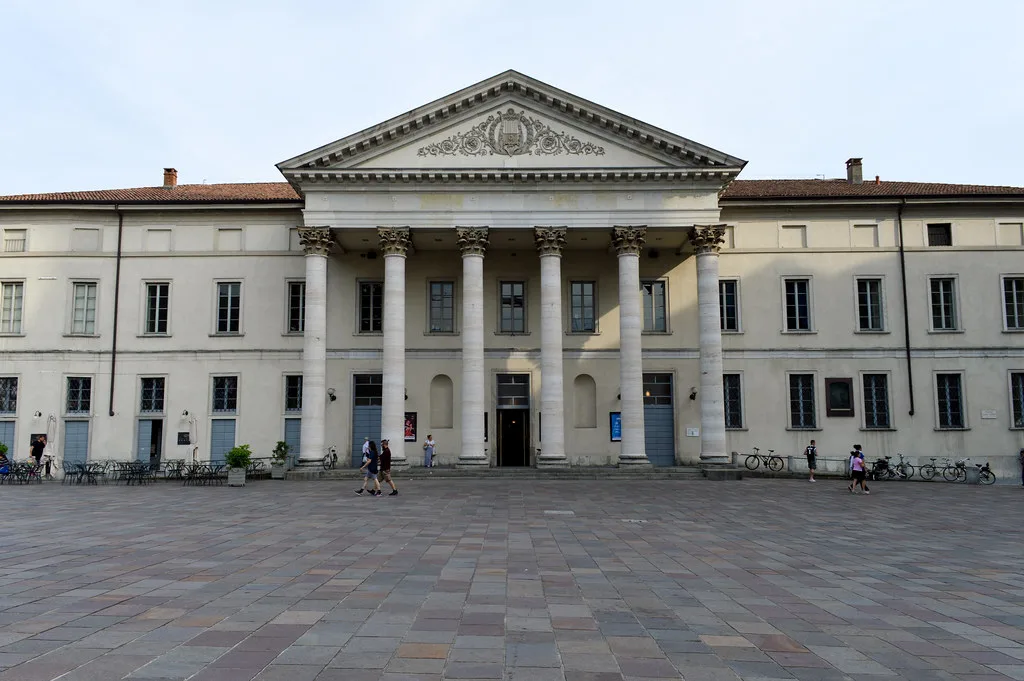
Separate the free from the ticketed before you budget your hours. The lakefront, the piazza and the walk past Villa Olmo's grounds cost nothing to enjoy, while museum interiors and villa gardens generally require a purchase. Villa Olmo, a neo-classical building on the Como waterfront, is described by travel writers as worth seeing mainly for its imposing exterior, with grounds less picturesque than the lake's northern villas.
Villa Carlotta in Tremezzo combines a museum with botanical gardens, and the ticketed entry described covers both the villa rooms and the garden terraces. Villa del Balbianello near Lenno is a separate property with its own admission, reached from the village by a short water taxi or a walk through the park. Neither is included in a Como museum ticket, so treat each as its own line in the plan.
The Pinacoteca civica and the Tempio Voltiano are the town's bookable museum interiors through the city's online service, and the Cattedrale is listed alongside them. Because the scope of each purchase is not detailed in the city's summary, read the ticketing page carefully rather than assuming a combined pass. Phrase your expectations accordingly: one site, one ticket, unless the page says otherwise.
Afternoon Option A: Stay Local Around Villa Olmo and the Waterfront
Staying local is the low-logistics choice and the better one when you have arrived late or the weather is unsettled. Walk the waterfront toward Villa Olmo, enjoy the exterior and grounds, then return along the lake for a coffee. No ferry, no queue and no dependence on a boat schedule means the afternoon cannot collapse if something runs behind.
The trade-off is scenery. You will not see the mid-lake villages this way, and the town's waterfront is a promenade rather than a panorama. If this is your only day on the lake and the views were the point, take the ferry option instead and accept the tighter timing.
Afternoon Option B: Crossing to Bellagio or a Villa
Ferries are the backbone of any crossing, and the public service connects Como with Bellagio, Cadenabbia, Lenno, Menaggio, Nesso, Tremezzina and Varenna among other stops. Tickets are sold at the jetty kiosks and do not need to be booked in advance, which makes the crossing flexible rather than something to pre-schedule. Treat the published timetable as your constraint and build backwards from the last useful return boat.
For a villa afternoon, Villa Carlotta at Tremezzo is the shortest ambition: the gardens alone reward a slow hour, and the terraces over the water are the reason many people come. Villa del Balbianello at Lenno suits travellers who want the approach by water taxi and a longer walk, and it is the more involved of the two. Pick one, not both.
Bellagio suits a short visit best when you resist the urge to tick off every viewpoint. Wander the alleys without a plan, take a drink with a view, and stop before you start calculating whether there is time for one more thing. The town rewards wandering precisely because its pleasures are small and close together.
What to Cut If You Arrive Late
Rank your sacrifices in advance. First to go is Brunate, because the funicular eats a block of time in the middle of the day and a rushed version delivers little. Second is the far shore: Bellagio and the Tremezzo villas both depend on a ferry crossing that will not compress indefinitely. Keep the lakefront, one paid interior and a good lunch, and the day still works.
If you land in Como in the early afternoon, drop the crossing entirely and choose either the town's museums or Villa Olmo's grounds. Attempting both a museum interior and a ferry is where late arrivals turn into a sequence of missed boats. Decide the single priority before you leave the station.
What to Cut When the Weather Turns
Rain damages the outdoor stops most: the lakefront walk, the Brunate viewpoint and villa gardens all lose much of their value under low cloud. Villa Carlotta's garden terraces are the highlight of that visit, so a wet day turns a good stop into a thin one. Keep the villa rooms if you go, but expect less.
Indoor substitutes hold up better. The Pinacoteca civica and the Tempio Voltiano are the obvious wet-weather anchors, and both can be checked and booked through the city's museum service before you commit. Shopping and cafes around the centre fill a wet afternoon without any planning at all.
Getting Around Without Inventing Timetables
The evidence supports a simple movement rule: ferries link Como, Bellagio, Cadenabbia, Lenno, Menaggio, Nesso, Tremezzina and Varenna, and tickets are bought at the small jetty kiosks without advance booking. Beyond that, confirm current schedules with the operator on the day. No itinerary should promise you a specific crossing it cannot guarantee.
On land, the town centre is compact enough to walk between the Duomo, the lakefront and the funicular base without transport. That is another argument for keeping the morning car-free and saving any vehicle movement for a deliberate excursion.
Where One Day Fits in a Longer Stay
One day gives you either the town or the mid-lake villages done properly, not both. Two days allows the lakefront and a museum on the first afternoon and a ferry crossing with a villa garden on the second, which is a far more comfortable split. Four to five days is the span travel writers suggest for exploring well-known and lesser-known villages, a boat day and a few villa visits at a relaxed pace.
If you are planning a wider trip, treat Como as one stop rather than the whole lake. Our hidden gems in Como guide covers the quieter corners worth adding on a return visit, and the Como Attractions hub has individual guides for the named sights so you can compare what each ticket actually includes.
Plan Your Visit
Build the day around one anchor: a museum interior, a villa garden or a ferry crossing. Then let the lakefront and a good lunch fill the gaps around it, and keep Brunate as an optional extra rather than a promise. Confirm the funicular, ferry and villa details with the operators before you travel, and the day will survive whatever the weather does.
If you discover you would rather wander than tick off sights, that is a legitimate version of a Como day too. The waterfront, the piazza and the alleys cost nothing and do not depend on a timetable. For related planning, see What to Eat in Como: A Local Food Guide to Lake and Mountain Dishes.
Frequently Asked Questions
How many days are enough for Lake Como?
Travel writers suggest roughly four to five days to explore both well-known and quieter villages, fit in a boat day and visit a few villas at a relaxed pace. For a single day, choose either Como town or one mid-lake village area and accept that the other waits for next time.
Should I base myself in Como or Bellagio for one day?
Como is the most practical arrival point, with the widest choice of lodging, food and shopping, and most visitors arrive there by train. Bellagio sits between the lake's two branches and is a better base for exploring the surrounding region over several days. For one day, staying in Como and crossing by ferry is the simpler plan.
Can I see Bellagio and Como in a single day?
Yes, but expect a compressed visit. The ferry crossing takes a real slice of the day, tickets are bought at the jetty kiosks without advance booking, and you should check the current timetable before committing. Keep Bellagio to alleys, a drink with a view and one viewpoint rather than adding a villa as well.
What should I skip if I arrive in Como late?
Skip Brunate first, since the funicular consumes a block of the middle of the day. Then drop the far-shore villages, because the ferry will not compress indefinitely. Keep the lakefront, one paid interior such as the Pinacoteca civica or the Tempio Voltiano, and a proper lunch.
What holds up in Como when it rains?
Museum interiors do best: the Pinacoteca civica, the Tempio Voltiano and the Cattedrale all appear on the city's online museum ticketing service. Check what each ticket covers before booking. Villa gardens and the Brunate viewpoint lose most of their value in low cloud, so leave them for a clearer day.
Sources
Continue exploring
More guides you'll find useful