
Bolzano Local Food Guide: What to Eat in South Tyrol
Plan your first meals in Bolzano with a practical guide to Tyrolean and Alpine dishes, speck, canederli and wine pairings like Lagrein in South Tyrol.
On this page
Bolzano sits where the Adige valley meets the Dolomites, and its food follows the same geography. Tyrolean, Italian and Ladin influences meet in the city's kitchens, so a single day can move from a north Italian espresso to a plate of Alpine dumplings without any sense of contradiction. The city's own tourism site frames it as a place where Tyrolean cooking and Mediterranean flavours sit at the same table, accompanied by local wines.
That mixed identity makes ordering easier than it first looks. You do not need to pick a national cuisine; you need to recognise a handful of dish families and know which local wine to put beside them. This guide walks through a first meal, the dishes worth seeking out, qualitative budget tiers and the different eating settings, from the medieval porticoes to a farm stay or a mountain hut.
Why Bolzano's Food Is Austrian, Italian and Ladin at Once
Less than a century ago Bolzano was a largely German-speaking town called Bozen, and that history is still audible in the menus. Today Italian, German and Ladin are all spoken in the wider South Tyrol area, and each language carries its own food vocabulary into the city. Expect dumplings, strudel and speck alongside espresso, pasta and Mediterranean vegetables, with Ladin mountain cooking appearing as you move toward the Dolomite valleys.
The practical consequence for a visitor is that the same dish may carry two names on one menu. Canederli are Knödel, speck is speck in both languages, and a plate described as Tyrolean on one line may read as tirolese on the next. Rather than treating this as confusion, treat it as a signal that you are in a genuinely bilingual food region. The South Tyrol tourism board organises much of its food content around regional quality products such as wine, apples, speck, dairy and bread, which gives you a reliable vocabulary to look for on labels and menus.
One geographic point helps when planning meals: Bolzano sits in the valley floor while Dolomite villages and mountain passes climb much higher. Dishes that feel light in the city can turn heavier and more cheese-driven as you gain altitude. If you are splitting your stay between town and mountains, keep the arcade-and-café meals for the city days and the hut food for the high days.
First Meal Orientation: A Simple Order to Start With
For a first meal, build a small spread rather than committing to one main course. Order speck to start, then a plate of canederli or dumplings, and finish with strudel if you still have room. Speck and Lagrein wine are the two city-level specialities most worth trying early, because they set the tone for everything that follows.
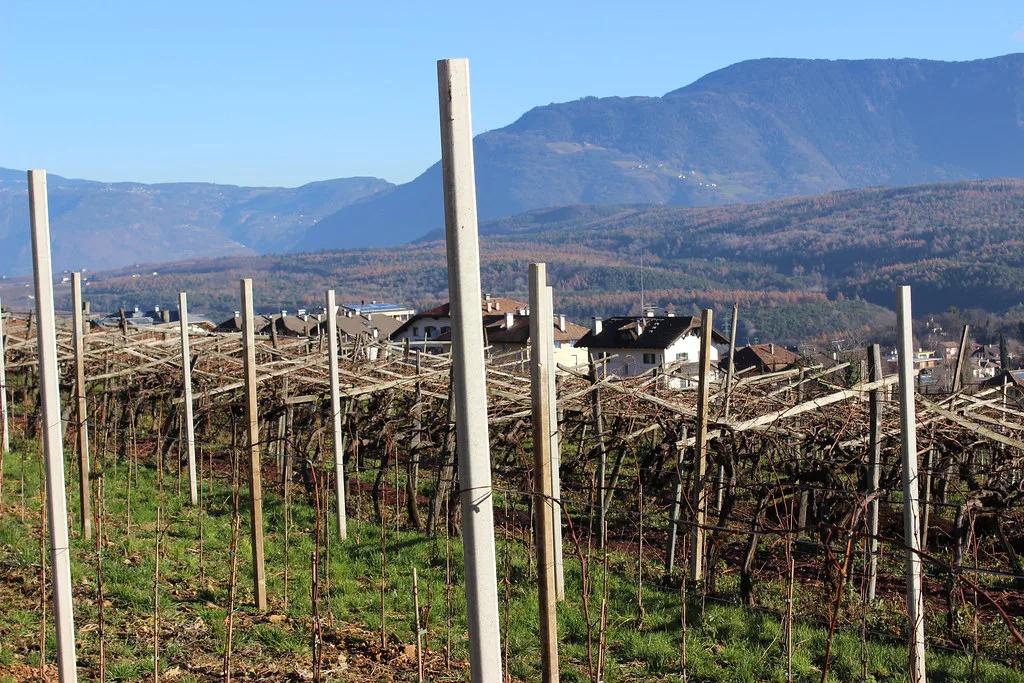
Pair that order with a glass of something local instead of a familiar international label. A crisp Gewürztraminer works well as an aperitif-style glass, while Lagrein is the local red that rewards a place at the table. If you only try one wine in Bolzano, make it a local wine from the surrounding vineyards, since the city sits inside a wine-growing basin rather than merely near one.
Keep the first meal short and mid-sized so you can eat again later. Bolzano's arcades reward grazing: a coffee and pastry in one place, a savoury plate in another, a glass of wine at a third. If you are travelling with someone who dislikes dumplings or smoked meats, the Mediterranean side of the menu gives you pasta and vegetable options in the same room.
Tyrolean and Alpine Dishes to Look For: Speck, Canederli and Dumplings
Speck is the entry point to Tyrolean eating: a cured, smoked pork that appears on boards, in sandwiches and alongside cheese. It is a mountain preservation food rather than a delicate starter, so order it thinly sliced and shared. South Tyrol markets it as one of the region's protected quality products, so the label matters more here than in a generic deli counter.
Canederli, the bread dumplings also known as Knödel, are the dish to understand if you want to read a Bolzano menu quickly. They come in a plain cheese or speck version and in a spinach version, usually served in broth or with butter and cheese. A plate is filling; two people sharing one order alongside speck is often enough before a main course.
Beyond those two, look for goulash-style stews, barley soup and filled pasta in the Ladin valleys, and Alpine cheese on almost any mountain menu. Strudel, both apple and other fruit versions, closes meals across the region. None of these are rare trophies: they are everyday mountain cooking, which is exactly why they tell you more about the place than a novelty dish would.
Wine With the Meal: Lagrein, Gewürztraminer and Other Local Styles
Bolzano's tourism board describes the city as a wine city, and the surrounding slopes support that claim. Lagrein is the local red to know, deep and suited to hearty mountain plates. Gewürztraminer, aromatic and often off-dry, is the more recognisable white and works better with cheese or a lighter afternoon plate than with a heavy main.
The wider region also produces well-known whites from the Eisack valley and beyond, but you do not need a complete map to drink well in Bolzano. Ask what is poured by the glass from local cellars and let the answer guide the meal. Wine lists in the arcades often group bottles by valley or producer, which is a more useful sorting than by colour alone.
If you are eating in a farm stay or a mountain hut, expect a shorter list but a closer one: the wine may come from the same holding as the cheese. That proximity is the point. Treat the wine as part of the setting rather than a separate tasting exercise, especially at lunch when a single glass is enough before an afternoon of walking.
Where to Eat at Different Budgets, Described Qualitatively
At the cheapest end, Bolzano's bakeries, cafés and market stalls let you assemble a meal from a pastry, a slice of speck-topped bread and a coffee. This is also the best way to sample several things in one morning without committing to a restaurant. The medieval arcades of Via dei Portici are the natural setting for this kind of grazing, with shops and food stops packed under the same covered walkway.
The middle tier is the everyday trattoria or pub-style room serving dumplings, stews and a house wine by the glass. Portions tend to be generous, so a starter and a shared main is often a sensible order for two. You will find these rooms both in the centre and in residential streets a short walk from the porticoes, where the menu is more likely to be in German and Italian only.
At the upper end, Bolzano and its surroundings have long-established hotel dining rooms and refined regional kitchens, where the same mountain ingredients are handled with more technique. The Backroads guide recommends the Parkhotel Laurin and Hotel Greif for stays near Piazza Walther, and the Magdalenerhof slightly outside the centre, though those are hotel recommendations rather than restaurant reviews. For any current menu or seating arrangement, check directly with the establishment, since availability changes by season.
Eating in the Arcades and Around Piazza Walther
Piazza Walther is the elegant main square, framed by cafés and dominated by the Gothic cathedral, and it makes a natural anchor for a food-focused morning. Walk the square, then move under the medieval arcades of Via dei Portici to browse shops and taste local delicacies. This is city-centre eating with a view rather than a hidden corner, but it is the most efficient place to learn the local repertoire in a short time.
The tourist office publishes its own practical information for visitors, including the location of its information points and the seasons in which the city's cultural programme runs. Use it to check what is open on the day you visit rather than relying on a list assembled months earlier. The same applies to cafés: a place that looks busy at noon may close in the afternoon.
If the square feels too polished for your mood, the riverside park along the Talvera and the streets behind the arcades offer quieter alternatives for a picnic or a standing coffee. Buy bread, cheese and fruit in the morning and eat outside, then spend the saved time walking. The hidden gems in Bolzano are often simply the streets one block off the main shopping line, and Oswald Promenade gives you an elevated route back toward the centre.
Mountain Huts, Farm Stays and Seasonal Harvest Food
Eating in a mountain hut or a farm stay is a different experience from eating in the city, even when the dishes share names. Huts serve cheese, speck, barley soup and simple dumplings with a short drinks list, and the appeal is the setting as much as the food. Farm stays, known locally as agriturismi or Urlaub auf dem Bauernhof, often serve what the holding produces, so the menu shifts with the season.
Autumn brings the traditional Törggelen, when mountain inns serve chestnuts, speck, Alpine cheese, new wine and fresh vegetables from the fields. The South Tyrol tourism board presents it as a seasonal custom rather than a fixed event, so the exact weeks vary by valley and by establishment. Check with the individual inn or the local tourism office before planning a trip around it.
The region's apples deserve their own mention, since South Tyrol markets its apple varieties as a signature product. Look for apple juice, dried apple rings and apple strudel as everyday ways to taste them. Wine villages along the South Tyrolean Wine Road are a separate day out, and the tourism board's regional pages are the place to confirm which routes and cellars are currently welcoming visitors.
Practical Ordering Tips for a Mixed-Language Menu
Menus in Bolzano may appear in German and Italian, so learn four words and the rest follows. Speck is the cured meat, Knödel or canederli are dumplings, Käse is cheese, and Strudel is dessert. If a dish is described as tirolese or Tiroler, expect the Tyrolean preparation rather than a Mediterranean one.
At lunch, many kitchens expect a first course and a second course structure, but you can usually order just one plate. Asking for a small portion or a shared starter is normal in casual rooms, though less so in formal hotel dining. If you have dietary restrictions, ask about ingredients directly rather than relying on menu symbols, because recipes vary between establishments.
Public transport is strong enough that you do not need a car to eat outside the centre. Trains, buses and cable cars link Bolzano with the surrounding valleys, and the regional guest pass is described by the tourism board as covering several rail and bus services. Confirm current coverage and validity with your accommodation before you rely on it, since the pass is issued through participating hosts. Further visitor details appear in The Essential Guide to Bolzano, Italy | Backroads Adventure Travel.
Plan Your Food Days in Bolzano
Bolzano rewards a flexible eating plan: a morning in the arcades, a shared plate of speck and canederli at midday, and a glass of Lagrein before an evening walk. Leave the mountain huts and the Törggelen season for the days when you are heading into the valleys, and let the menus, not a fixed list, decide the rest.
Before you travel, confirm the practical details that change most often: which cellars and farm stays are receiving guests, what the guest pass currently covers, and when the autumn harvest meals are being served. The city tourism site and the South Tyrol regional site both publish current visitor information, and your accommodation can confirm the rest. For a contrast with another Italian food city, the Bologna local food guide covers a very different culinary tradition.
Frequently Asked Questions
What food is Bolzano known for?
Bolzano is known for Tyrolean and Alpine dishes shaped by Austrian, Italian and Ladin influences. Speck, canederli or Knödel, goulash-style stews, barley soup, Alpine cheese and strudel are the everyday specialities, with Lagrein and Gewürztraminer as the local wines most often paired with them. The city's food is regional mountain cooking rather than a single national cuisine.
What should I order on my first meal in Bolzano?
Order shared speck to start, then a plate of canederli or dumplings, and finish with strudel if you have room. Local wines such as Lagrein and Gewürztraminer are worth trying with the meal. Keep the first meal small so you can eat again in the arcades later in the day.
Is Bolzano food more Austrian or Italian?
Neither dominates. Historical ties to the German-speaking Tyrol and the town's identity as Bozen bring dumplings, strudel and speck, while Italian is the national language and Mediterranean flavours and coffee culture are everywhere. Ladin cooking adds a third layer in the Dolomite valleys. Expect some menus to appear in both German and Italian rather than a single tradition.
What wine should I try with Tyrolean dishes in Bolzano?
Lagrein is the local red to try first if you want a single local glass, and Gewürztraminer is the aromatic white to choose with cheese or a lighter afternoon plate. Ask what is poured by the glass from local cellars and use the wine list's valley groupings to explore.
Can I find local food outside the city center in Bolzano?
Yes. Farm stays and mountain huts serve cheese, speck, soup and seasonal dishes, and the Törggelen custom brings chestnuts, new wine and mountain produce to rural inns in autumn. Wine villages along the South Tyrolean Wine Road are another option. Trains, buses and cable cars connect Bolzano with the surrounding valleys, so a car is useful but not essential.
What is Törggelen and when does it happen?
Törggelen is an autumn custom in which mountain inns serve chestnuts, speck, Alpine cheese, new wine and fresh vegetables from the fields. The tourism board treats it as a seasonal tradition rather than a fixed event, so the weeks vary by valley and by establishment. Check with the inn or the local tourism office before planning a trip around it.
Are menus in Bolzano in Italian or German?
Often both, and sometimes English as well. Learn a few terms so you can read either version: Speck for cured pork, Knödel or canederli for dumplings, Käse for cheese and Strudel for dessert. A dish labelled tirolese or Tiroler means the Tyrolean preparation, which usually indicates a heavier, cheese-based plate.
Do I need a car to eat outside the city centre?
A car helps if you plan to move between several villages, but it is not essential. Trains, buses and cable cars link Bolzano to the valleys, and guest passes issued through participating accommodation may cover local services. Confirm current coverage with your host, because the pass is provided by accommodation and its conditions can change.
Sources
Continue exploring
More guides you'll find useful





