Bellagio Historic Centre Guide: Walking the Borgo's Stepped Lanes
A practical walking guide to Bellagio's historic borgo, from Piazza Mazzini to Piazza della Chiesa, with honest notes on the steep lanes and where to stay.
On this page
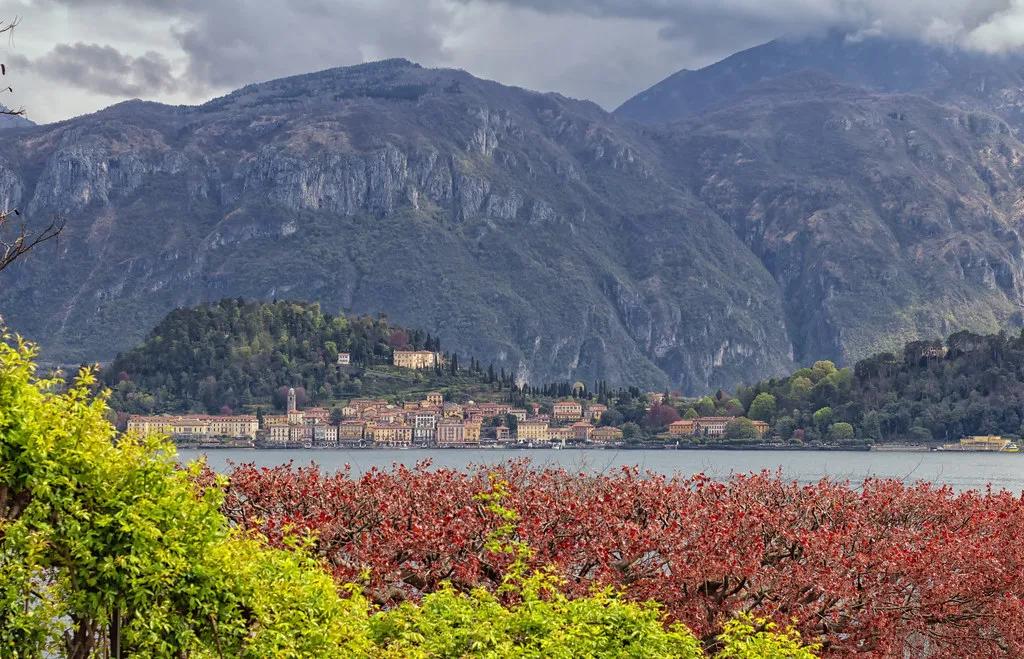
Bellagio sits at the tip of the promontory where Lake Como splits into its branches, and its historic centre is stacked above the water rather than spread along it. Visitors who picture a flat piazza-to-piazza stroll are surprised: the borgo climbs in stepped lanes that connect the boat station at Piazza Giuseppe Mazzini to the higher Piazza della Chiesa. A suggested half-day is enough to walk the main lanes, look into the basilica and add one detour — but that is our editorial suggestion, not an official timing, and the steps set the real pace.
Orientation: Piazza Mazzini and the Waterfront Anchor
Piazza Giuseppe Mazzini is the natural starting point, sitting by the boat landing where ferries and hydrofoils arrive. It is Bellagio's main square, where boats dock and where the arcaded lakefront, cafés and shops of the borgo begin. The historic centre itself is a web of narrow stepped streets, and Salita Serbelloni is the most photographed of them.
The square was reshaped in the eighteenth century when the lakeside area was extended to host the market, which helps explain the arcades and the way the piazza opens onto the water. From here the town rises immediately: lanes branch uphill toward the church square, while the lakeside road runs south along the shore toward the villa gardens.
Treat the waterfront as your anchor rather than your destination. The lakeside promenade, Lungolago Europa, runs along the shore toward the Villa Melzi gardens and gives you a view back at Bellagio's coloured facades before you start climbing.
The Climb: Cobbled Stepped Lanes to Piazza della Chiesa
The lanes connecting the waterfront to the upper town are narrow, cobbled and often stepped, threading between pastel houses with shutters. There is no single main street: several parallel salite climb the same slope, and choosing between them is part of the pleasure. The historic centre, known as il Borgo, is famous for these stepped lanes, passageways and arcades.
The church square at the top, Piazza della Chiesa, is the borgo's civic heart. The Basilica di San Giacomo anchors it, and the tourist office sits at Piazza della Chiesa 14, making it a sensible place to pick up a map or ask about current visiting arrangements before exploring further.
Because the route is stepped rather than ramped, the climb is short in distance but slower than the map suggests. Walk it early in the day if you want cooler air and thinner crowds on the landings, and keep an eye on how much you are carrying. The climb from the ferry terminal to the viewpoint at Punta Spartivento, for reference, involves uphill walking and stairs, so the borgo rewards a similar, unhurried approach.
Salita Serbelloni: The Iconic Steep Lane
Salita Serbelloni is the lane most photographs of Bellagio show: a steep, narrow flight of steps lined with shops and restaurants, framed by colourful houses. MyLakeComo calls it one of the most photographed views of the historic hamlet, and it deserves its reputation as the postcard image of the borgo.
It is also one of the busiest places in town, especially in summer and around midday when day-trippers arrive. The trade-off is simple: walk it for the classic view, but do not expect solitude, and plan to step aside on the landings to let others pass.
Come back in the evening once most day visitors have left. One traveller notes that after the last ferry departs, Bellagio feels much quieter, with empty streets at sunrise and a calmer mood for a late dinner — a fair argument for staying overnight rather than treating the lane as a photo stop.
Quieter Alternatives: Salita Antonio Mella and Nearby Hamlets
If Serbelloni feels too crowded, Salita Antonio Mella offers comparable charm on a parallel climb with noticeably fewer people. It is not a secret, just a less obvious choice for the same kind of view, and it is a sensible swap when the main lane is packed.
Beyond the borgo, the hamlets of Pescallo and San Giovanni reward a short detour. Pescallo, reached by a descent from the town along narrow streets and steep steps, keeps a working harbour atmosphere with a small lakeside square, while San Giovanni has a pebble beach and a waterfront church.
These detours add climbing in both directions, so budget energy accordingly. If you only have time for one, Pescallo's harbour is the gentler reward after the crowded lanes, and it is easy to fold into a loop back to the waterfront.
Landmarks Along the Way: Basilica di San Giacomo
The Basilica di San Giacomo is the borgo's standout building, a Romanesque-Lombard church whose stone facade and bell tower dominate the upper square. The town's tourist portal dates its construction to between 1075 and 1125, carried out by the Masters of Como.
Inside, the church holds a layered collection of art, including a Foppa triptych dated 1432, an archaic crucifix and a polychrome wooden Deposition. Be aware that it is a working parish church rather than a museum, and the official page lists a Sunday Mass at 9.00 am, so check locally that it is open when you plan to go rather than assuming access at any hour.
The square itself is free to walk through, and the lanes radiating from it are public streets. Ticketed sites come later: the gardens of Villa Melzi and the guided park of Villa Serbelloni sit outside the borgo climb and run on their own arrangements, published by their operators. Villa Serbelloni's villa itself is not open to visitors, only its park by guided tour.
A Suggested Half-Day Walking Route
This is our suggested plan, not an official itinerary: start at Piazza Mazzini, take a slow pass along the waterfront, then climb by Salita Serbelloni for the classic view. Continue to Piazza della Chiesa, look into the basilica, and pause for a drink before descending by Salita Antonio Mella for contrast.
Add Pescallo or San Giovanni at the end if your legs allow, and finish back at the waterfront as the light softens. The loop fits comfortably into an afternoon for most walkers, but only if you accept that the steps will set the pace rather than a checklist.
Accessibility Reality Check
Bellagio's town centre is characterised by numerous stepped alleys, and this limits access for anyone who has difficulty walking. There is no reliable way to assume a step-free route through the historic centre, so plan around the steps instead of hoping to find a shortcut on the day.
If stairs are a problem, base yourself near the waterfront and treat the piazza, the promenade and the shoreline as your borgo. Confirm current conditions with the tourist office before you travel rather than relying on old descriptions of lifts or ramps, which may not match today.
Where to Stay: In the Borgo or Outside It
Staying inside the borgo buys you something no day trip can: quieter streets at sunrise and a calmer late dinner once most ferries stop. The trade-off is carrying luggage up stepped lanes and paying a premium for the central rooms that make those hours possible.
Staying outside the centre, whether in Bellagio's hamlets or a neighbouring town, trades convenience for lower prices, easier parking and flatter walking. You will still reach the borgo quickly, but you will experience it mostly at its busiest rather than at its calmest.
Whatever you choose, do not lump the borgo's free lanes with the ticketed villas. The waterfront promenade, the church square and the stepped salite cost nothing, while the gardens and the guided villa park are separate visits with their own ticket arrangements published by the operators. The tourist portal notes, for example, that Villa Serbelloni park visits run only as guided tours, twice a day, with compulsory online booking through Promobellagio.
Plan Your Visit
Bellagio's historic centre rewards a visitor who plans around the climb rather than against it. Walk the salite early or late, swap Serbelloni for Mella when it is crowded, and leave room for a detour to Pescallo or San Giovanni instead of treating the borgo as a quick photo stop. For wider planning, see Hidden Gems in Bellagio.
Before you go, check the tourist office and villa operators for current visiting arrangements, since opening practices shift by season. Then let the steps decide your pace: the borgo is at its best when you stop at a landing and simply look at the lake.
Frequently Asked Questions
How do you walk from Bellagio's waterfront to Piazza della Chiesa?
Start at Piazza Giuseppe Mazzini by the boat station, then take one of the stepped lanes climbing between the houses. Several parallel routes reach the upper square where the Basilica di San Giacomo stands, so you can go up one and come down another.
Is Salita Serbelloni the only steep lane worth walking?
No. Salita Serbelloni is the most photographed and one of the busiest, but Salita Antonio Mella offers a similar climb with fewer people according to one travel account. Walking both gives you the classic view and a calmer alternative in the same outing.
How long does it take to explore Bellagio's historic centre?
Our editorial suggestion is about half a day for the waterfront, one climb to Piazza della Chiesa, the basilica and a detour. That is not an official figure, and the steps will set a slower pace than the short distances suggest, so build in pauses.
Is Bellagio's old town accessible for people who struggle with steps?
The historic centre is dominated by stepped alleys, which limits access for visitors with mobility difficulties. Anyone reliant on wheels or wanting to avoid stairs should base themselves near the waterfront and confirm current conditions with the tourist office before travelling.
Should you stay in Bellagio's historic centre or outside it?
Staying in the borgo gives you quieter mornings and evenings once most day visitors leave, at the cost of carrying luggage up steps and paying central prices. Staying outside the centre is easier for parking and flatter walking, but you will usually see the old town at its busiest.
Sources
- HISTORICAL TOUR OF myBellagio centre town-PART 1 - myBellagio
- La Punta Spartivento | Explore Lake Como Explore Lake Como | La Punta Spartivento
- Bellagio, Lake Como: 12 Things to Do & Is It Worth It? (2026)
- What to do and see in Bellagio - myLakeComo.co
- The Perfect Bellagio, Italy Travel Guide | Simply Wander
- Bellagio, Italy: Things to Do & What to See | Lake Como Travel
- Bellagio - San Giacomo Church | Bellagio Lake Como... the Pearl of Lake Como
Continue exploring
More guides you'll find useful