Hidden Gems in Alghero: Quieter Corners and Lesser-Known Sights
Look past the beach clubs: Alghero's quieter rewards are its pebbled old-town lanes, sea bastions, coral and archaeology museums, and Capo Caccia's cliffs.
On this page
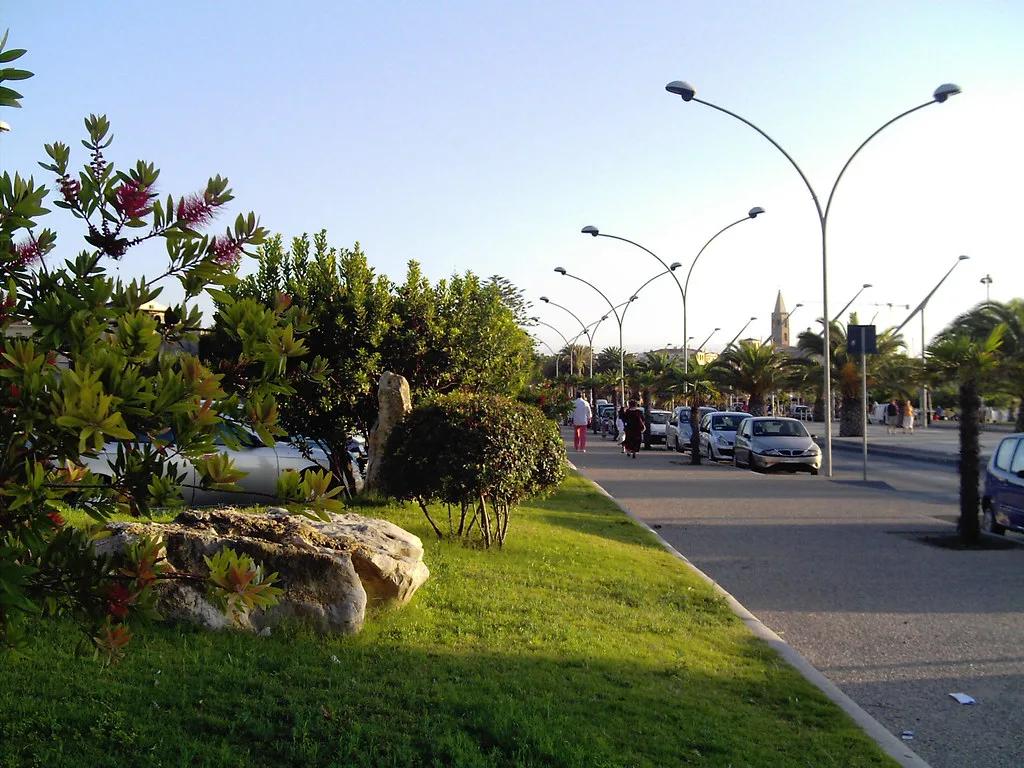
Alghero sits on Sardinia's northwest coast in the Province of Sassari, and most visitors know it for the harbour, the seafood and the Catalan-inflected old town. The quieter rewards are close at hand: lanes paved with large pebbles, sea walls that still frame the sunset, small museums that explain the city's coral identity and its prehistory. A suggested, non-official rhythm is two or three days, enough to walk the centre slowly and still reach Capo Caccia or one archaeological site without rushing.
How to Use This Guide
This is a cluster pillar: it sketches each lesser-known place briefly and sends you to a fuller visitor guide for the practical detail once you decide to go. Treat the sections as ingredients rather than a fixed schedule, and pick two or three that match your energy and transport. The Alghero Attractions hub collects the individual sight guides in one place, so you can compare what each stop actually requires before committing a morning to it.
The Old Town's Pebbled Alleys: Treat the Lanes as the Attraction
The centro storico is the obvious first stop, but the way you walk it matters. The streets are paved with large pebbles, which one local writer describes as slightly uncomfortable underfoot and best tackled in flat shoes or sandals rather than heels. Go early, before the cafés fill, and let the lanes themselves be the sight: small restaurants, artisan workshops, low houses and sudden views between buildings.
Two language traditions sit side by side on the street signs, a reminder of the Aragonese and Catalan centuries that shaped the town. Because the centre is compact and walkable, this is the part of Alghero you can enjoy without any transport at all. Budget a slow couple of hours rather than a checklist, and leave room for a gelato stop between photo detours.
The Sea Walls and Bastions, Ending at Torre del Sulis
Alghero is unusual in keeping most of its walls and towers from its medieval and sixteenth-century phases, when the sea-facing defences were rebuilt. A seafront walk passes several of these towers, giving you history and open water in the same stretch. Head toward Torre del Sulis for the classic golden-hour route, with the waves on one side and café-lined bastions on the other.
This is an easy, free way to spend an evening, and it suits travellers who would rather walk than queue. Bring a light layer for the wind off the water, and plan the walk so you finish near the harbour for dinner. The bastions also work well as a first orientation loop on arrival day, before you commit to any museum timings.
The Coral Museum: Alghero's Red-Coral Identity Explained
Housed in an Art Nouveau villa on Via XX Settembre, the Museo del Corallo goes well beyond jewellery displays. It traces the story of the Mediterranean's red coral and the craft tradition built around it, with clearly divided sections and explanatory panels throughout. Coral workshops and shops still line the old-town lanes, so the museum gives context to what you see in the windows afterwards.
Visiting hours are limited and split across morning and afternoon slots on different days, so check the museum's own website for the day you plan to go rather than relying on an older listing. Entry conditions and any reductions should also be confirmed there. If your schedule is tight, put the museum on the same day as the old-town walk, since the two are minutes apart.
The Cathedral of Santa Maria: Look Past the Facade
The cathedral's plain white neoclassical front can be misleading, and many visitors photograph it and move on. The rear of the church is late Gothic, from the earlier construction phase, and includes a bell tower with a pyramidal spire covered in coloured majolica that nods to Catalan style. Inside, the late Renaissance interior is divided into three naves.
Its main entrance opens onto Piazza Duomo in the historic centre, a short walk from the port, which makes it an easy add-on rather than a separate trip. As with any active place of worship, dress respectfully and avoid visiting during services. Check locally for whether the interior is open when you pass, since church access can vary outside published tourist information.
The Archaeological Museum: Shipwrecks, Roman Fragments and Burial Goods
On Via Carlo Alberto, the city's archaeological museum packs a surprising range into a compact space. Displays cover finds from shipwrecks off the coast, fragments of mosaics and sculpture from a Roman villa near the city, and the Nuragic era's burial practices, including objects placed in tombs. It is the practical answer for travellers who cannot reach the outlying nuragic sites.
Opening arrangements have included reserved visits on weekdays and free access at weekends, but the details shift, so confirm current hours and entry policy on the official site before you build a day around it. Explanatory panels mean you can follow the collections without a guide, though a guide adds depth when one is available. Allow around an hour here, then pair it with the cathedral nearby.
Neptune's Grotto at Capo Caccia: Boat or Cliff Staircase?
The Neptune's Grotto caves, threaded through the Capo Caccia promontory, are the region's headline natural sight. You have two ways in: a boat from Alghero's port, or a drive followed by the Escala del Cabirol, a long zigzagging staircase cut into the cliff. The staircase is the trade-off worth weighing honestly: it is steep, exposed to sun, and unsuitable for anyone with knee trouble, small children in carriers, or a fear of heights.
Entry to the caves must be booked, and boat operators and land access handle this differently, so go through the Alghero tourism office for current schedules and how to reserve. On a boat, the operator typically passes on visitor numbers when you book the crossing. In high summer more departures usually run, but reserving a few days ahead is the safer habit.
Beyond the Walls: Nuraghe Palmavera and the Anghelu Ruju Necropolis
If the museum's Nuragic finds leave you curious, the outlying sites are short excursions rather than full days out. Palmavera is a nuragic village where a third tower has been uncovered around the main keep, reminiscent of Santu Antine at Torralba. The Anghelu Ruju necropolis is a cluster of domus de janas, rock-cut tombs hewn into sandstone, with a history stretching back millennia.
Both reward a car, since public transport to rural archaeological sites is limited. If you are without wheels, treat the museum as your substitute and save these for another trip. If you drive, check access and any booking requirements with the site operator before setting out, because small Sardinian sites often have restricted visiting arrangements.
Quieter Beach Alternatives Within Reach
Alghero's own beaches are often overlooked in favour of the famous ones further north. Maria Pia, Mugoni, Bombarde and Lazzaretto all appear among the area's free things to do, and several sit close enough to reach without a car. Mugoni, inside the sheltered bay near Porto Conte, tends to be calmer than the open-sea strands.
Maria Pia and Lido di San Giovanni can be reached by local bus, on foot or by bike, while the further strands reward a car. Check seasonal bus timetables locally, since services thin outside summer. A simple rule: pick one beach per day and pair it with a museum or a walk, rather than trying to collect them all.
Day Trips That Earn the Drive: Bosa and La Pelosa
Two extensions come up again and again: Bosa, a riverside town of pastel houses beneath the Malaspina Castle, and La Pelosa at Stintino, known for pale sand and shallow turquoise water. Both sit roughly an hour or so from Alghero by car, so they work as full-day outings rather than add-ons to a museum morning. Neither belongs to Alghero proper, so count them separately when you plan how many nights you need.
La Pelosa's water stays shallow for several metres, which makes it a comfortable choice for families with young children. Both destinations can be busy in peak season, so go early and check parking arrangements locally. If you are relying on public transport, confirm seasonal connections before planning on either day trip.
Practical Rhythms: Car or No Car, Seasons and Days Needed
The old town, the museums, the cathedral and the bastions need no car at all, and the airport sits about ten kilometres from the centre with bus, taxi and rental options. A car becomes worthwhile once you add Capo Caccia, the archaeological sites, or day trips to Bosa and Stintino, where flexibility matters more than speed. Decide based on how many out-of-town stops you genuinely want.
Late April to early June and September to mid-October are the shoulder seasons most often recommended, with milder weather and thinner crowds than July and August. Summer brings more boat departures and beach weather but also queues and higher demand. Whichever season you choose, build slack into days that depend on booked cave visits or boats.
Where to Go Next
Alghero rewards a slower pace: a flat-shoed wander through the lanes, a sunset on the bastions, a coral collection that explains the shop windows, and one thoughtfully chosen detour to the cliffs or the prehistory. Pick the sights that suit your transport and season, then check current hours and booking arrangements directly with each site before you go.
If you enjoy this quieter style of city travel, our guides to the hidden gems in Florence and the hidden gems in Venice follow the same approach: small, specific places with practical detail, rather than a list of headline sights. For related planning, see Day Trips from Alghero: Bosa, Nuraghe Palmavera & Half-Day Ideas.
Frequently Asked Questions
What are the lesser-known things to do in Alghero?
Beyond the harbour, look to the pebbled lanes of the old town, the sea walls and Torre del Sulis, the Coral Museum and the archaeological museum, the cathedral's Gothic rear, and the Capo Caccia cliffs. Outlying nuragic sites and the beaches at Maria Pia, Mugoni, Bombarde and Lazzaretto round out a quieter itinerary.
Is the Coral Museum worth visiting in Alghero?
It is a compact, well-organised collection in an Art Nouveau villa that explains why red coral shaped the city's craft identity, with explanatory panels in each section. If you plan to browse the coral workshops afterwards, it adds useful context. Check the museum's own site for current visiting days and entry conditions.
Should you take the boat or the stairs to Neptune's Grotto?
The boat from the port saves the long, exposed cliff staircase and suits families, older travellers or anyone with knee problems. The staircase gives a more physical approach and a dramatic descent. Entry must be booked either way, so confirm current schedules and how to reserve through the Alghero tourism office.
Can you see Alghero's nuragic sites without a car?
Reaching Palmavera and the Anghelu Ruju necropolis by public transport is difficult, so a car is the practical option. Without one, the city archaeological museum covers Nuragic burial practices and coastal finds in one accessible stop. Verify access and booking requirements with the site operator before travelling.
How many days do you need in Alghero?
Two or three days is a sensible starting point: one for the old town, museums and bastions, another for Capo Caccia, and a third for either a nuragic site or a beach. Add extra nights if you want day trips to Bosa or La Pelosa, since those consume most of a day each.
When is the best time to visit Alghero?
Late April to early June and September to mid-October are commonly recommended for milder weather and thinner crowds. July and August bring beach weather but also peak demand, so book cave visits and boats well ahead. Winter is quiet, and some coastal services reduce.
Sources
Continue exploring
More guides you'll find useful