Mercato Albinelli Modena: What to See Inside the 1931 Market
A practical guide to Mercato Albinelli in Modena: the 1931 Art Nouveau hall, Fruit Bearer fountain, stalls worth browsing and where to eat in or nearby.
On this page
Mercato Albinelli is the kind of stop that rewards a slower pace than a photo pause. It sits in the heart of Modena's historic centre, a short walk from Piazza Grande, and it has operated under one roof since 1931, which makes it as much a piece of the city's building history as a place to shop. Entry is free, so you can walk the aisles, look up at the ironwork and leave without buying anything.
The detail to notice first is overhead and in the middle: an Art Nouveau hall with a central fountain topped by Giuseppe Graziosi's sculpture of a woman, known as the Fruit Bearer. Give the building ten minutes before you start on the food counters, because the architecture explains why the market feels different from a modern supermarket hall.
Orientation: Where the Market Sits and How to Enter
The main entrance is at Via Luigi Albinelli 13, with further doors from Via Mondatora and Piazza XX Settembre, so you can approach from more than one direction depending on where you are walking in the centre. The market describes itself as standing inside Modena's UNESCO-listed heart, which makes it an easy add-on to a morning rather than a separate excursion.
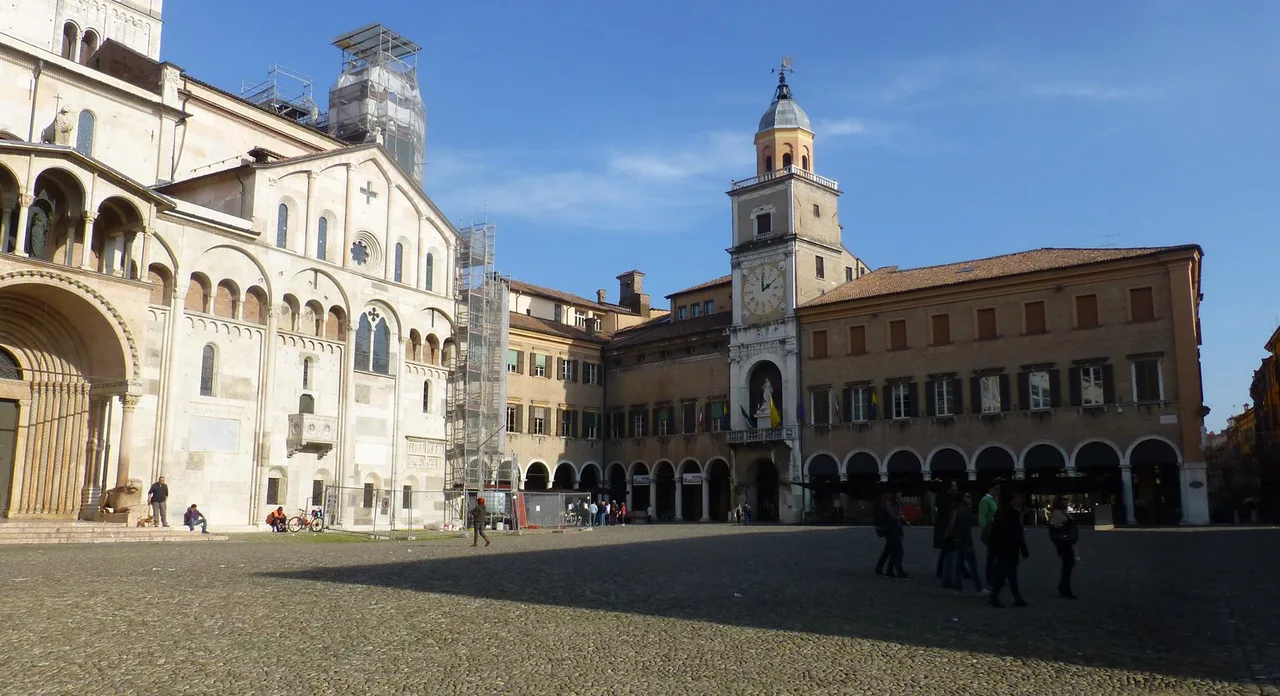
If you are building a loop, pair the market with the Cathedral and the Ghirlandina Tower, both a short walk away according to the tourist office's description of the location. Doing the tower and cathedral first and the market second works well, since the market's food counters are at their most useful when you are ready to eat or assemble a picnic.
The Building and Its History
Before 1931, Modena's food trade spilled across the open square; the city then moved it under a single roof for hygiene, for the vendors and for shoppers who did not want to work in the rain. The building that resulted is Art Nouveau, with decorative ironwork worth raising your eyes for, and it has been protected as a monument of national relevance since 1990.
The tourist office confirms the 1931 inauguration and calls Albinelli the oldest covered market in the city, restored over the years because of its historical and cultural value. Treat those two facts as the anchor of your visit: you are walking through a civic building that happens to sell food, not a purpose-built food hall.
What to Look Up At
Stand at the central fountain and look at the statue of the Fruit Bearer by Giuseppe Graziosi, a Modenese sculptor of the nineteenth century. The fountain is the natural meeting point of the hall, and it also gives you the clearest view of how the stalls are arranged around a central spine rather than in rows facing a wall.
Then look at the structure itself: the ironwork, the light and the height of the hall are what make the market photogenic without any staging. If you are short on time, do this circuit first and the shopping second, because the architecture is the part you cannot buy later.
Browsing the Stalls Without Buying
The market is free to enter, which means a visit can be purely observational: you can watch the butchers, cheesemongers and produce vendors at work and leave. The trade is arranged with vendors on one side of the counter and shoppers on the other, the everyday model the market was built around, so browsing politely means standing back rather than leaning over displays.
Mornings are when the shopping is most local; a weekday before ten brings more residents with bags than visitors with cameras. If your goal is atmosphere rather than provisions, that window is the one worth protecting in your schedule, and it also leaves the rest of the day free for the cathedral and tower.
What to Look For on the Counters
The core of the offer is Emilian: Parmigiano Reggiano, fresh pasta including tortellini sold by weight, Modena cured meats, traditional balsamic vinegar, tigelle flatbreads and Lambrusco. Produce shifts with the season, from summer tomatoes and zucchini flowers to autumn porcini and radicchio, most of it grown within an hour of the city.
For cheese, ask for a piece cut from a wheel and taste before committing to a size; asking about aging and whether the producer is mountain-based gives you a decision rather than a guess. For balsamic, the useful distinction is between traditional vinegar aged in wooden barrels and sold in small bottles, and cheap imitations that are a different product entirely.
Tigelle are best bought warm or eaten soon, split and filled with cured meat and cunza, the lardo, garlic and rosemary spread; Lambrusco, a sparkling red drier than many visitors expect, is the natural drink with a market lunch. Bread, fish, pastries and a newsstand round out the aisles, so a single pass can cover both a picnic and a gift.
Stalls Versus Restaurants: Two Different Clocks
The single most useful planning point is that the stalls and the eateries inside keep separate schedules. The market's own site labels its stall hours as summer hours, Monday to Saturday from 7:00 to 15:00, and restaurant hours as Monday to Sunday from 11:00 to 15:00 and 18:30 to 22:30, presented as a seasonal schedule rather than a permanent rule.
The tourist office gives a slightly different pattern, with stalls open Monday to Saturday from 7:00 to 15:00 and extended to 19:00 on Saturdays, while the Bologna-based guide describes a Saturday extension from mid-September to the end of May. Rather than memorise any one version, check the market's own opening and closing dates page close to your visit and assume holiday variations exist.
The practical consequence is that you can eat inside the market after the counters have closed for the day, so a late arrival is not a wasted trip if dinner is the plan. It also means a lunch stop at 14:30 is a bet on the kitchens rather than the vendors, and the two should be checked separately.
Lunch Inside the Market
Bar Schiavoni is the small bar attached to the market, known for a panino with cotechino and green sauce and a short, changing sandwich list; expect a lunchtime queue, heaviest on Saturdays. Antica Bottega suits a sit-down plate of tigelle and a board of local cured meats and cheese with a glass of Lambrusco, while MozzaBella covers pizza by the slice with seasonal toppings.
If you want a sweet finish, look for torta Barozzi, a dense chocolate cake associated with Modena. The market also runs tastings and events through the year, with extra stalls around Christmas and the autumn harvest, so the events calendar on the official site is worth a look before fixing your date.
Eating Nearby Instead
Trattoria Aldina, across from the market and up a flight of stairs, is the traditional alternative for tortellini in brodo and tagliatelle al ragù. It takes no reservations, so arriving early is the strategy; otherwise you may be waiting on the stairwell at peak lunch.
Other options within the centre include Ristorante da Danilo for tortellini and gnocco fritto in an unceremonious setting, and L'Erba del Re for a modern tasting menu built on the same regional ingredients. Osteria Francescana requires booking well ahead, so treat it as a separate plan rather than a walk-in fallback after the market.
Timing Your Visit
Weekday mornings before 10:00 give you the market at its most everyday, while Saturday brings the extended hours and the biggest crowds, especially around the sandwich counters at lunch. If your trip falls in a shoulder season, confirm whether the Saturday extension is running before you plan a late-afternoon shop, since the sources describe it as seasonal.
Seasonal programming is real but uneven: the market has hosted themed exhibitions tied to Motor Valley Fest in June 2026, and it advertises tastings and street markets through its calendar. Use those listings to decide whether a visit coincides with something, not as a guarantee that a specific stall or event will be running on your date.
Practical Tips and Pairings
Verify holiday closures and special opening dates on the official pages before you travel, because neither the market nor the restaurants inside promise daily availability. For general city information, services and civic notices, the Comune di Modena portal is the reference point, while ticketing questions belong to whichever site or museum you plan to visit.
A sensible half-day pairs the market with Piazza Grande, the Cathedral and the Ghirlandina Tower, all within walking distance, with a coffee or a sandwich inside the hall as the break. If you want to go beyond the obvious stops, our guide to hidden gems in Modena covers quieter corners to fold into the same morning.
For the wider set of sights and how they fit together, start from our Modena Attractions hub and build the day around opening times you have checked yourself. The market works best as a fixed point in the middle of that plan rather than the whole reason for the trip.
Plan Your Visit
Mercato Albinelli is a free, central stop where the building and the counters deserve separate attention: see the hall and the Fruit Bearer first, then browse or buy according to appetite. Check the official site for the current stall and restaurant hours, since the published schedules are explicitly seasonal and have shifted between sources.
Build the rest of the morning around Piazza Grande, the Cathedral and the Ghirlandina, and keep a lunch option inside the market and one outside it so a closed kitchen or a long queue does not derail the day.
Frequently Asked Questions
Is entry to Mercato Albinelli free?
Yes. The tourist office lists free entrance and no admission charge, so you can walk through the hall, look at the Art Nouveau ironwork and the central fountain, and browse the counters without buying anything. Any spending is on food and drink from the individual vendors and eateries.
What are the opening hours for the stalls versus the restaurants inside?
They follow different clocks. The market publishes stall hours labelled as summer hours, Monday to Saturday 7:00 to 15:00, and restaurant hours Monday to Sunday 11:00 to 15:00 and 18:30 to 22:30. Other sources describe a longer Saturday closing in the cooler months, so check the market's official opening and closing dates page before relying on any schedule.
What should I buy at Mercato Albinelli?
Look for Parmigiano Reggiano cut from the wheel, fresh tortellini sold by weight, Modena cured meats, traditional balsamic vinegar in its small bottle, tigelle and Lambrusco. Ask vendors about aging and origin and taste before deciding how much to take; the traditional balsamic is a different product from inexpensive supermarket versions.
Can you eat lunch or dinner inside the market?
Yes. Several bars and restaurants operate inside the hall, including Bar Schiavoni for sandwiches, Antica Bottega for tigelle and cured meat boards, and MozzaBella for pizza by the slice. Restaurant hours run later than stall hours, so dinner inside is possible even when the counters have closed, but confirm current times before you go.
When is the best time to visit to avoid crowds?
A weekday morning before 10:00 is the quietest and most local window, with residents shopping rather than visitors photographing. Saturdays bring extended hours and the heaviest queues, particularly at the sandwich counters around lunch, so plan a weekday if your schedule allows.
How close is the market to the Cathedral and the Ghirlandina Tower?
Both are a short walk away in the same historic centre, which makes a single morning of cathedral, tower and market realistic. The tourist office places the market a stone's throw from Piazza Grande, so you can move between them on foot without transport.
Sources
Continue exploring
More guides you'll find useful