Museo Archeologico Paolo Giovio Como: Visitor Guide
Plan a visit to Como's Museo Archeologico Paolo Giovio in Palazzo Giovio, with notes on the collection, ticket scope and opening details to verify first.
On this page
The Museo Archeologico Paolo Giovio is one piece of Como's civic museum landscape rather than a standalone stop you can slot in casually. It sits in the Giovio palazzo, a building with its own history, in the compact centre where several of the city's collections are within walking distance. Planning it alongside the Pinacoteca and the Tempio Voltiano saves time, but only if you confirm what your ticket actually admits.
This guide covers where the museum is, what it was founded to hold, and the collection themes you can reasonably expect. It also separates solid facts, such as the 1897 founding and the broad scope of the archaeology, from details that rest on third-party listings and should be checked with the Comune di Como before you travel. Opening days and closure dates are the items most worth verifying.
Where the Museum Is and What the Building Is
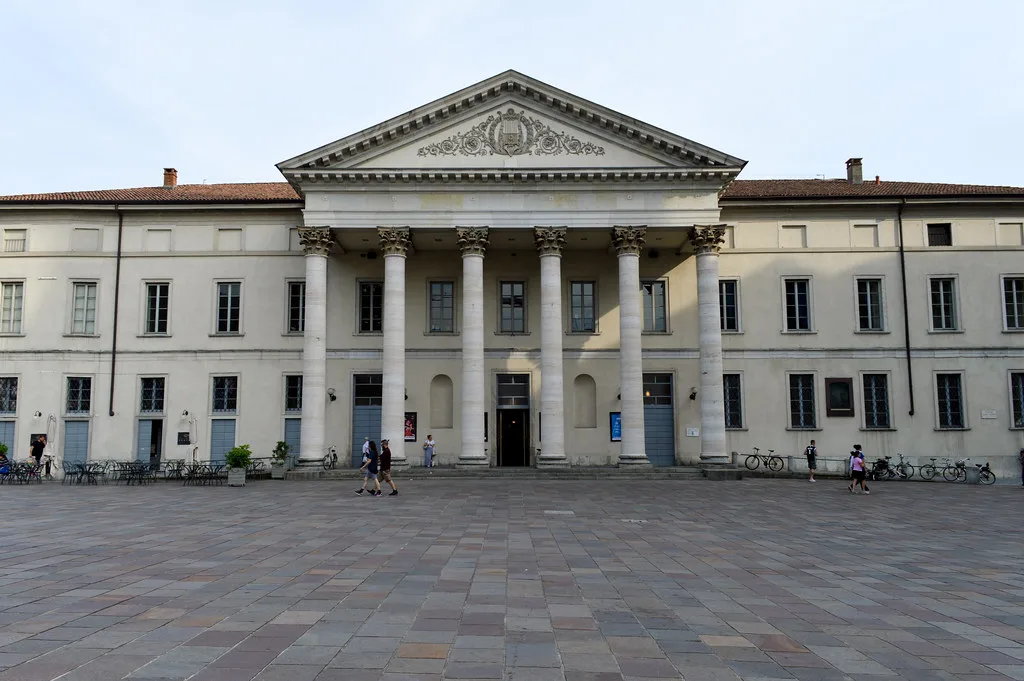
The museum is at Piazza Medaglie d'Oro 1 in central Como, housed in a palazzo that was the urban residence of the Giovio counts from the early thirteenth century. That lineage matters for context: you are walking through a historic family palace rather than a purpose-built gallery. The address is published by museum listings, and it puts the collection within easy reach of Como's cathedral and the lakefront.
Because the palazzo sits in the dense centre, the museum works best as one leg of a walking day rather than a destination requiring transport. Nearby landmarks listed by aggregators include the city walls, Porta Torre, the cathedral and San Fedele, all within a few hundred metres. If you want to extend the walk beyond the obvious sights, our guide to hidden gems in Como covers quieter corners of the city centre.
Founding and Collection Scope
The museum was founded in 1897 and gathered objects excavated in the Como region over preceding decades, so the collection documents human presence locally from prehistory through Roman times. Think of it as the archaeological record of the city and its surroundings, not an encyclopaedic world collection. That framing helps you read the displays: the value lies in provenance close to home.
The breadth extends beyond the immediate area in some cases, with Egyptian figures, Greek vessels, Roman mosaics, bronzes, gems and coins reported among the holdings. A large Roman mosaic found during construction work is singled out as visible on the ground floor. These themes give you a mental map for the visit: expect a mix of regional archaeology and Mediterranean objects rather than a single-period display.
What You Actually See
Start on the ground floor, where the large Roman mosaic recovered during building work anchors the visit. From there, the rooms move through prehistoric and Roman finds from the Como area alongside the Egyptian and Greek material, so the route mixes local context with wider Mediterranean trade and influence. Clear wayfinding is reported in the galleries, which suits a self-guided visit.
Smaller objects such as bronzes, coins and gems reward a slower pass, since they carry much of the dating and trade evidence. The collections are also described as part of Como's civic museum group, which is why the ticket question matters. Treat the sequence above as a suggestion for orientation, not an official itinerary.
Ticket Scope Explained
Como's city website offers online purchase of entry tickets for the Pinacoteca civica, the Tempio Voltiano and the Cathedral, which shows the city sells museum entry digitally but does not confirm that archaeology is bundled in. Do not assume one purchase admits every civic collection. Check the specific ticket terms on the Comune di Como site before relying on a single transaction for your day.
No price for the archaeological museum appears in the sources checked here, so this guide states none. Prices and any combined offers are exactly the details that change without notice. Verify the current rate and what it covers at the point of purchase or on the city's pages, and keep a record of what you bought in case a gallery asks for proof.
Opening Days to Verify
Third-party listings report a Tuesday to Sunday daytime pattern with Monday closure, and one gives daytime hours in the 10:00 to 18:00 range. That is a listing, not a confirmed operator schedule. Use it to sketch your plan, then check the days and times on the Comune di Como site or with the museum before you commit a travel day to it.
If your trip includes a Monday, build that day around open-air sights such as the lakefront, the city walls or the cathedral exterior instead of assuming the museum will welcome you. Because opening days are the most common source of wasted journeys, confirm them close to your visit date rather than weeks ahead. That one check protects the rest of your schedule.
Holiday and Closure Checks
Aggregator pages list holiday closures around 1 January, 6 January, 1 November and 25–26 December, but these dates are not confirmed by the city in the sources reviewed here. Treat them as a prompt to ask, not as settled fact. Public holidays in Italy routinely alter museum timetables, so a quick check before a winter or early November visit is worth the effort.
Accessibility details from aggregators, including a wheelchair-accessibility claim, also need operator confirmation before you depend on them. If step-free access matters to your group, ask the museum directly about entrances and internal routes. Similarly, do not treat contact details copied from listing sites as current; use the city's official channels to reach the museum.
Pairing It With the Pinacoteca and Tempio Voltiano
A sensible structure for a central Como day is one ticketed collection in the morning, a pause, then a second in the afternoon, with the lakefront as a buffer between them. Keep the archaeology and the Pinacoteca together if both interest you, since they belong to the same civic museum family. The Tempio Voltiano suits a shorter, separate stop rather than a third full gallery.
Avoid double-buying by deciding your list before you purchase anything, then matching each site to the ticket that covers it. If the city's online system does not clearly include the archaeological museum, buy the tickets you can verify and settle the rest at the door. This approach costs nothing and prevents paying twice for the same entry.
A Suggested Half-Day Structure
This is a suggestion, not an official route. Allow roughly three hours for the civic museum cluster, splitting it between the archaeological rooms and one other collection, with a short walk between them. Add time for the lakefront rather than compressing everything into one push. The palazzo setting rewards unhurried viewing of the mosaic and the smaller objects.
Start early enough that you are not rushed by a closing time you have not verified, and keep the final hour flexible in case a gallery closes earlier than the listing suggests. If you are travelling with children, the Roman mosaic and the Egyptian figures tend to hold attention better than rows of coins, so order the visit accordingly. Build in a cafe stop rather than treating the museum as a sprint.
Practical Checklist Before You Go
Confirm three things with the Comune di Como or the museum: that the museum is open on your date, what your chosen ticket includes, and whether any holiday timetable applies. Write the answers down, since plans made from memory of a listing page are how people end up at a locked door. Then check your own must-sees against the galleries to keep the visit focused.
Beyond that, keep the day light: central Como is compact, so walking between the palazzo, the cathedral and the lakefront is the natural rhythm. Leave room for the unexpected, whether that is a longer look at the mosaic or a detour to a church along the way. For more city-wide context before you build the day, browse the Como Attractions hub and the hidden gems guide.
Plan Your Visit
The Museo Archeologico Paolo Giovio rewards planning more than improvisation. Its 1897 founding and regional archaeology are well documented, but the details that decide a day out, ticket scope and opening days, need checking with the city before you go. Do that, and the palazzo and its collections fit neatly into a central Como itinerary.
Keep the visit proportionate: it is one civic collection among several, best enjoyed alongside another museum and a walk by the lake. Confirm what you need to confirm, then let the mosaic, the bronzes and the coins carry the day.
Frequently Asked Questions
Does the Como online museum ticket include the Museo Archeologico Paolo Giovio?
The city's website offers online tickets for the Pinacoteca civica, the Tempio Voltiano and the Cathedral, and it does not confirm that archaeology is included in that purchase. Check the ticket terms with the Comune di Como before relying on one purchase, since assuming a combined ticket covers every civic collection risks paying twice.
Is the archaeological museum in Como open on Mondays?
Third-party listings report a Tuesday to Sunday pattern with Monday closure, but that is a listing rather than an operator confirmation. Verify the opening days on the city's site or ask the museum directly, especially if Monday is your only free day in Como.
What can you see in the Museo Archeologico Paolo Giovio collection?
The holdings draw on finds from the Como area spanning prehistory to Roman times, with Egyptian figures, Greek vessels, Roman mosaics, bronzes, gems and coins also reported. A large Roman mosaic discovered during building work is described as visible on the ground floor, making it a natural starting point.
When was the Museo Archeologico Paolo Giovio founded?
The museum was founded in 1897, gathering objects excavated across the Como region in earlier decades. Its early history is why the displays focus on local provenance rather than a broad international collection.
How long should you allow for the museum?
No official duration is published, so treat any estimate as a suggestion. Allowing around an hour for the archaeological rooms, and roughly three hours if you add another civic collection nearby, gives a comfortable pace without rushing the mosaic and the smaller objects.
Where exactly is the museum in Como?
It is at Piazza Medaglie d'Oro 1, in the historic Giovio palazzo in central Como. The site sits close to the cathedral, Porta Torre and San Fedele, so it works as part of a walking day in the city centre.
Sources
Continue exploring
More guides you'll find useful