Parco di Monte Urpinu Cagliari: Visitor Guide to Views & Walks
Plan a visit to Parco di Monte Urpinu in Cagliari: free parkland, pine-shaded paths, ponds and the Viale Europa terrace with views over Molentargius.
On this page
Monte Urpinu is the kind of city park that rewards a little planning rather than a rushed stop. It covers roughly 22 hectares inside a larger protected hill area of about 32 hectares, bounded by Viale Europa and the streets around it, and entry is free. The park sits on one of Cagliari's seven hills, so the walking is gentle but rarely flat.
The strongest reason to come is the terrace along Viale Europa, which looks out over the Golfo degli Angeli, the Sella del Diavolo promontory, Poetto beach and the Molentargius wetlands below. In the right season that last view is a flamingo-watching vantage point rather than a generic panorama. Allow something between a short stop and a slow half-day, depending on whether you walk the ponds or the full circuit.
Quick Answer: What Monte Urpinu Is and Who It Suits
This is a free public park, not a ticketed attraction with a ticket office, audio guide or fixed route. It suits families with children, people who want an easy green walk between city sights, and anyone chasing a viewpoint without climbing into the Castello district. It is less suited to travellers expecting unspoilt wilderness or a carefully curated botanical garden.
The park is a well-used local green space, and that shapes the experience: you will share paths with joggers, dog walkers and school groups. Treat it as a pleasant pause rather than a destination in its own right, and pair it with one nearby sight. If you are building a wider shortlist, the Cagliari Attractions hub covers the city's main stops.
Where the Park Sits and How the Entrances Work
Monte Urpinu occupies a hill in the south-east part of the city, framed by the panoramic Viale Europa and the streets Garavetti, Gemelli and Vidal. Several entrances open off those roads, so you do not need to aim for one official gate. Arriving on foot from the centre is realistic; the climb is the main effort.
Think in two scales before you set out. The fenced park itself is the roughly 22-hectare core, while the wider hill area runs to about 32 hectares, which is why a casual wander can take longer than expected. Decide at the start whether you want the compact pond loop or the outer circuit, because the paths do not form a single signed trail.
What You Will See: Pines, Ponds and Park Wildlife
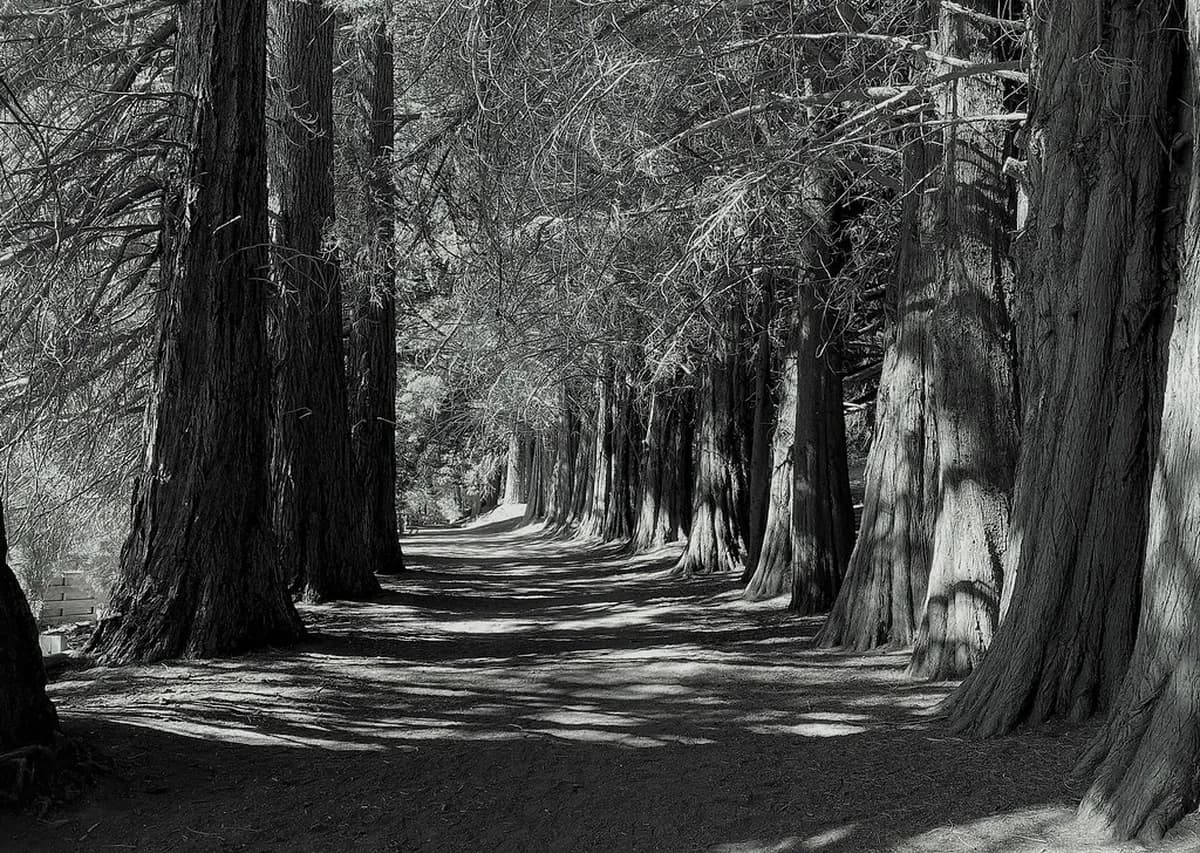
The planting is mature Mediterranean parkland: Aleppo pines, holm oaks, olive and carob trees, with Canary palms among the species recorded. The first intervention on the hill dates to the mid-1800s, when the then owner planted Aleppo pines, and the city bought the area in 1939 to turn it into an urban park. That history explains the shaded, slightly old-fashioned feel of the paths.
Small artificial ponds are typically home to turtles, ducks and swans, and peacocks have long been the park's emblem in local imagination. There is also a cat colony with wooden shelters, plus geese and chickens in the surrounding areas. Animals and water levels change with season and management, so treat any sighting as a bonus rather than a guarantee.
If you enjoy layered history, the hill has more than parkland. The Tuvixeddu necropolis next door is described as the largest funerary architecture in the Carthaginian world, with vertical well tombs cut into the limestone. Our guide to the Tuvixeddu necropolis explains how to visit it.
The Viale Europa Terrace and What the Views Show
The terrace along Viale Europa is the park's signature moment. The official heritage listing describes it as one of the city's best-known panoramic points, with sunrise over the Golfo degli Angeli and the Sella del Diavolo, sunset towards the Capoterra mountains, and the whole city visible as far as Castello and the Castello di San Michele.
The distinctive view is downwards: the terrace works as a raised hide over the Molentargius wetlands, where pink flamingos nest in season. Bring binoculars if you have them, since the birds are distant. From the upper paths you also pick up Poetto beach and its long curve towards the Sella del Diavolo.
Light decides the timing. Early morning gives the cleanest air and cooler walking, while late afternoon softens the light over the gulf and suits the western-facing views. Cagliari's summer heat is real, so avoid the middle of the day in July and August and carry water.
Walking Options: Short Loops and the Fuller Circuit
For a gentle visit, stay near the Viale Europa side and loop around the ponds and lawns, which keeps the walking short and the terrace close. For something longer, follow the panoramic road on the eastern side of the park up towards the top of the hill, where the city and gulf views open out. Neither option is a formal trail with waymarks.
Third-party walking data puts a route passing through the Monte Urpinu area at about 3.8 miles, or 6.2 kilometres, with roughly 105 metres of elevation gain. That is user-generated rather than an official figure, so use it only as a rough sense of scale. Shorter mapped variants around the park are listed at well under a mile.
Facilities and Practicalities
The park is equipped for everyday use, with sports areas, a play area, benches and drinking fountains. There is a fenced dog area of about two hectares, unusual for a city park of this size. Paths are a mix of asphalt and unpaved surfaces, and the hill means some gradient on almost any route.
What the heritage listing does not document is toilets, cafes or staffed information points, so plan accordingly and do not assume facilities at every entrance. Bring water, sun protection and a layer for the wind, which is stronger on the exposed terrace. Comfortable shoes matter more than hiking gear.
Entry, Hours and Cost: What to Verify
Entry to the park is free. The City of Cagliari, which owns and manages the hill, is the authority to check for anything that changes, including seasonal closing times, maintenance closures or event use. Third-party listings circulate specific daily hours, but these are not a municipal rule you should rely on for an evening visit.
Before a late walk, confirm the current opening times through the city's official channels, particularly outside summer. Do not carry over the assumption that free entry means round-the-clock access. If you are combining the park with a ticketed site later in the day, check that site's own hours separately, because nothing here shares a ticket.
Combining Monte Urpinu With Nearby Sights
Molentargius is the natural pairing, and the regional tourism board highlights the Stagno di Cagliari wetland beside the city as one of Sardinia's most important natural sites. Poetto beach is the obvious follow-on for a swim or a seafront walk. Both keep you in the same south-eastern corner of the city, so no long transfer is needed.
For a contrast in scale, head into the historic centre. The Roman Amphitheatre, cut into the rock of the Buon Cammino hill, is the city's most important Roman public building and holds around ten thousand spectators; it is a separate ticketed monument with its own reduced rates and a combined ticket covering several cultural sites.
If you want more off-the-beaten-track material for the rest of your stay, the hidden gems in Cagliari guide covers quieter corners such as the Bonaria cemetery and the Santa Restituta crypt. Pick one per outing rather than trying to link them all in a single day.
Common Mistakes to Avoid
The most frequent mistake is expecting a ticketed attraction: there is no entrance fee, no queue and no fixed circuit. The second is treating the park as a quick photo stop and missing the ponds and shaded paths behind the terrace. Give it at least an hour if you want both.
Do not assume animals, ponds or facilities are always in the same condition, and do not plan an evening visit on the strength of an old listing. Finally, avoid framing Monte Urpinu as a secret, and avoid calling it the city's highest or only viewpoint, since Cagliari spreads across several hills with several panoramic points.
Plan Your Visit
Monte Urpinu works best as a flexible, inexpensive half of a day: a shaded walk, a look at the ponds, then time on the Viale Europa terrace with the wetlands below. Go early or late, bring water, and check the city's current opening information before any evening plan.
If you want to build a fuller Cagliari itinerary around it, start with the Cagliari Attractions hub and match the park with Molentargius or Poetto on the same day.
Frequently Asked Questions
Is Parco di Monte Urpinu free to enter?
Yes. The park is free public green space owned by the City of Cagliari, with no ticket office for the park itself. Nearby museums and monuments, including the Roman Amphitheatre, are separate paid sites with their own admission rules.
How long does it take to walk around Monte Urpinu park?
Allow about an hour for the ponds and terrace area, and two hours or more if you take the longer panoramic circuit. A user-generated route through the area is roughly six kilometres, but that is not an official figure.
What can you see from the Monte Urpinu terrace on Viale Europa?
The terrace looks over the Golfo degli Angeli, the Sella del Diavolo, Poetto beach and the Molentargius wetlands, with the city stretching to Castello and the Castello di San Michele. In season the wetlands are a vantage point for flamingos.
Are there toilets, play areas and dog facilities in the park?
There are play and sports areas, benches and drinking fountains, plus a fenced dog area of about two hectares. Toilets and cafes are not documented in the park's heritage listing, so plan around that.
What are the opening hours of Parco di Monte Urpinu?
Hours are not fixed by any municipal rule published for visitors, and third-party listings should be treated as changeable. Check the City of Cagliari's official channels before a late or early visit, especially outside summer.
Is Monte Urpinu worth visiting in Cagliari?
It is worth it if you want a free green walk with a strong viewpoint over the wetlands and gulf. It is not a headline monument, so pair it with Molentargius, Poetto or the historic centre rather than making it the whole day.
Can you see flamingos from Monte Urpinu?
Sometimes. The terrace overlooks the Molentargius wetlands, which are a nesting site for pink flamingos in season, but the birds are distant and their presence varies. Binoculars help, and no sighting is guaranteed.
Sources
- Comune di Cagliari
- SardegnaTurismo - Sito ufficiale del turismo della Regione Sardegna
- Monte urpinu | Walking Map
- PARCO DI MONTE URPINU | I Luoghi del Cuore - FAI
- Roman Amphitheatre | Cagliari Turismo
- 13 Best Cagliari Hidden Gems: True Local Secrets
- 12 places not to be missed in Cagliari, Sardinia - Italia.it
Continue exploring
More guides you'll find useful