
Galleria Comunale d'Arte Cagliari: A Visitor Guide
Plan a slow visit to Cagliari's Galleria Comunale d'Arte, the civic gallery in the Public Gardens. Learn what the collection holds and what to confirm first.
On this page
The Galleria Comunale d'Arte offers an art-focused pause in a city better known for its beaches and medieval towers. Set within Cagliari's Giardini Pubblici, it gives you a reason to slow down and step indoors without leaving the greenery behind.
This guide explains where the gallery sits, what kind of building houses it, the character of the collection, and the notable visitor feature for blind and low-vision guests. It also shows how to fit the gallery into a wider walk through Cagliari's public gardens and museum quarter, and flags the practical details to confirm with the gallery before you travel.
Where the Gallery Sits in the Giardini Pubblici
The gallery's published address places it inside the Giardini Pubblici, at Largo Giuseppe Dessì. That address is useful orientation: think of the entrance as a garden gate rather than a street frontage, and plan to arrive through the public gardens themselves. Consult the gallery's own visitor information for the exact approach from the surrounding streets.
The gardens also house the Museo Civico d'Arte Siamese Stefano Cardu, a separate collection devoted to Siamese art. Treating the two as a single stop makes sense geographically, but do not assume one ticket covers both. Confirm each museum's ticket scope separately with the civic museums service.
For the wider institutional picture, the Comune di Cagliari website is the municipal reference for civic services, including culture and tourism. It is a starting point for official contacts rather than a source of gallery timetables, so follow its links to the museums service instead of relying on the homepage alone.
The Building and What the Setting Means for a Visit
The gallery occupies a limestone building set within the public gardens. That material and placement shape the experience: you move from open green space into a solid, light-toned structure, and the garden remains visible as a counterpoint to the rooms.
Because the gallery is small enough to sit inside a garden, it rewards a slower rhythm. Allow time to walk the paths before or after the rooms rather than treating the building as a standalone stop. The gardens themselves are among Cagliari's historic green spaces and are listed among the city's parks and public gardens.
What Is in the Collection
The collection focuses on works by Sardinian artists and by artists from wider Italy. Expect a civic gallery rather than an encyclopedic museum: the emphasis is on regional and national art rather than antiquities or archaeology.
The collection has grown over time through new acquisitions, so the displays can shift as works are added. If a particular artist or period matters to you, ask the gallery ahead of your visit whether it is currently on show. The gallery's own channels are the reliable place to check rather than third-party listings.
A Gallery Designed for More Than Looking
A notable feature is the gallery's technology-equipped provision, which supports a dedicated route for blind visitors. This is a meaningful point of difference for anyone planning an accessible museum stop in Cagliari, though the practical details of how the route works are best confirmed directly with the gallery before you go.
If accessibility is central to your visit, contact the museum service in advance to ask about the route, assistance, and any recommended timing. The gallery's listed contact details are the most direct channel. Avoid relying on generic accessibility summaries, which may lag behind what the gallery actually offers.
Pairing Art with Greenery: A Half-Day Route
A practical structure is to start in the gardens in the fresher part of the morning, visit the gallery when the day warms up, then walk out into the historic quarters. This keeps you outdoors and indoors in alternation rather than spending the whole day on one mode.
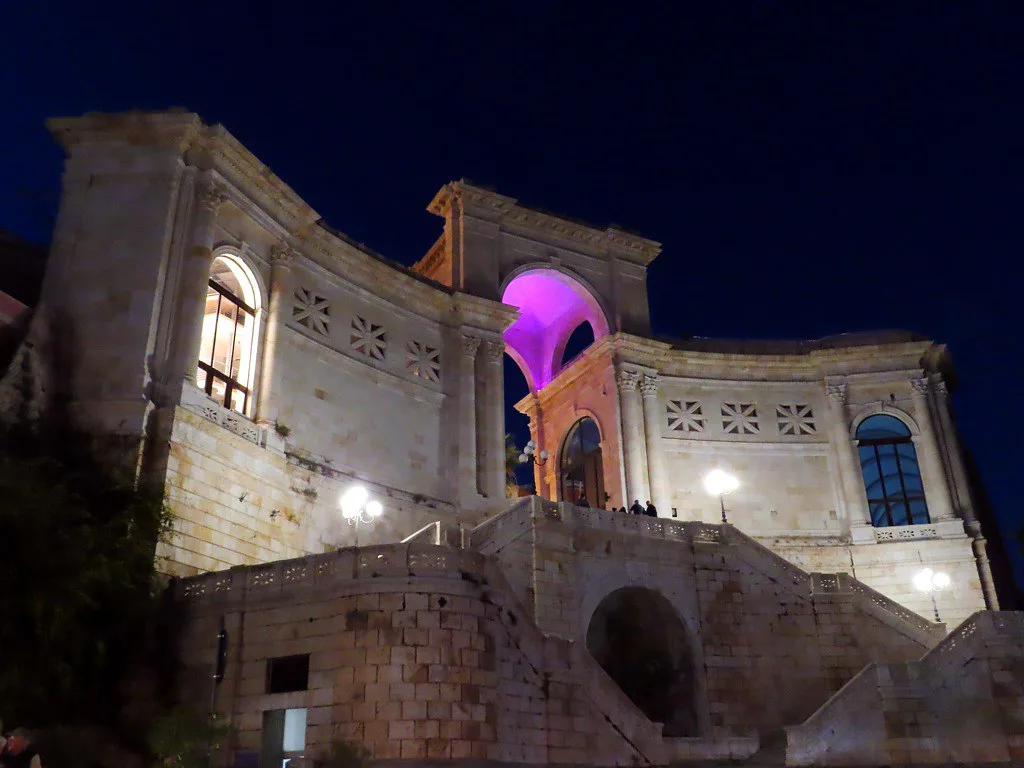
From the public gardens, the Bastione di Saint Remy and the hilltop Castello district are natural next steps for a slow city walk. A Castello district Cagliari guide helps you plan the climb and the lanes without turning the day into a checklist.
If you want more green space, Cagliari's park network includes Molentargius, Monte Urpinu, and Monte Claro, each with a different character. Monte Claro alone covers roughly 25 hectares, so choose one rather than trying to cover several in an afternoon.
Other Art and Museum Stops to Combine
Cagliari has a separate museum cluster at the Cittadella dei Musei inside Castello, which brings together the archaeological collections and the national art gallery in the former royal arsenal. It is a different location and a different ticketing structure from the civic gallery in the gardens, so do not assume one ticket covers both.
For archaeology specifically, the Museo Archeologico Nazionale Cagliari visitor guide covers the nuragic and prehistoric collections in more depth. Pairing it with the civic gallery gives you one art-led and one history-led stop without duplicating either.
If you prefer contemporary and experimental programming, the Museo del Mutseu Cagliari visitor guide covers a different kind of civic art experience. Choosing between the two comes down to whether you want a historic civic collection or a more recent, evolving programme.
A Slow Walk into Cagliari's Overlooked Corners
Beyond the gallery, Cagliari rewards travellers who look past the headline sights. The hidden gems in Cagliari guide covers quieter corners and less obvious stops, including the Tuvixeddu necropolis, which is normally viewable only on special open-monument occasions.
The early Christian Basilica di San Saturnino in Cagliari is another short, worthwhile stop if you are building a route around art, archaeology, and quiet spaces. Check its access arrangements separately, since church opening patterns differ from museum ones.
Practical Planning Without Guesswork
This guide deliberately omits ticket prices, opening hours, closing days, and booking rules because the available information does not state current figures. Those details change, and relying on an old listing is the most common way a museum visit goes wrong. Confirm them with the gallery or the civic museums service before you travel.
The gallery's own website and the civic museums service are the places to look for current visitor information. The ArrivalGuides listing gives a useful address and contact starting point, but treat any third-party page's practical details as out of date until you verify them with the gallery.
If you plan to combine the gallery with other civic museums, ask whether any combined or reduced arrangements exist at the time of your visit. Ticket scope varies between sites, and assuming a shared ticket is a common planning error in Cagliari's museum quarter.
Who This Gallery Suits
The gallery suits art lovers who want a focused civic collection, slow travellers who prefer gardens and rooms to queues, and anyone needing an indoor break from Cagliari's summer heat. It is less suited to visitors expecting a large encyclopedic museum or blockbuster temporary exhibitions.
Families and mixed groups should note that the appeal here is calm rather than interactive. If you want one anchor for a relaxed morning and a reason to linger in the gardens, it works well; if you want spectacle, look to the city's archaeological and fortress sights instead.
Suggested Half-Day Structure
Start with a gentle loop of the Giardini Pubblici while the day is still cool. Then move into the gallery for the art collection and the inclusive visitor route, and finish with a walk toward the Bastione di Saint Remy and the lanes of Castello.
This is a suggested shape, not an official itinerary, and the timing depends on what the gallery confirms for your dates. Keep the plan flexible: if the gallery is closed on the day you hoped to visit, the gardens and the surrounding historic streets still make a worthwhile half-day on their own.
For a longer stay, use the Cagliari Attractions hub to choose two or three museum stops rather than trying to cover everything. A slower pace across fewer sites usually makes for a better city visit.
A Quiet Art Anchor for a Slower Cagliari
The Galleria Comunale d'Arte is best treated as one calm stop inside a wider walk through the Public Gardens and the historic quarters. Its limestone building, Sardinian and Italian collection, and inclusive visitor route make it a meaningful pause rather than a tick-box attraction.
Before you go, confirm hours, ticket scope, and any booking requirements directly with the gallery or the civic museums service. With those details settled, the gallery becomes an easy, low-stress addition to a slower Cagliari itinerary. For related planning, see Stampace, Cagliari Guide: Churches, Gardens and Evening Strolls.
Frequently Asked Questions
Do I need to book ahead for the Galleria Comunale d'Arte?
The available information does not state a booking requirement. Check the gallery's own website or contact the civic museums service before you travel, especially for group visits or if you need the blind-visitor route. Do not assume walk-in entry or advance booking until the gallery confirms it.
Is the gallery free or ticketed?
Current pricing is not stated in the available information, so treat any figure you see elsewhere as unverified. Confirm the ticket type and scope directly with the gallery, and ask separately about the Museo Civico d'Arte Siamese in the same gardens, since the two may not share a ticket.
How long should I allow for the gallery and the Public Gardens?
A half-day is a sensible framework: a garden loop, then the gallery, then a walk toward Castello or the Bastione di Saint Remy. The gallery is a civic collection rather than a large museum, so the visit is moderate in length. Adjust according to what the gallery confirms for your dates.
Where exactly is the gallery?
It is inside Cagliari's Giardini Pubblici, with a published address at Largo Giuseppe Dessì. Plan your approach through the public gardens rather than expecting a conventional street entrance, and check the gallery's visitor information for the exact entrance before setting out.
Is the gallery accessible for blind or low-vision visitors?
The gallery is noted for technology-supported provision and a dedicated route for blind visitors. Contact the museum service in advance to confirm how the route works, whether assistance is available, and any recommended timing, rather than relying on third-party accessibility summaries.
Sources
Continue exploring
More guides you'll find useful





