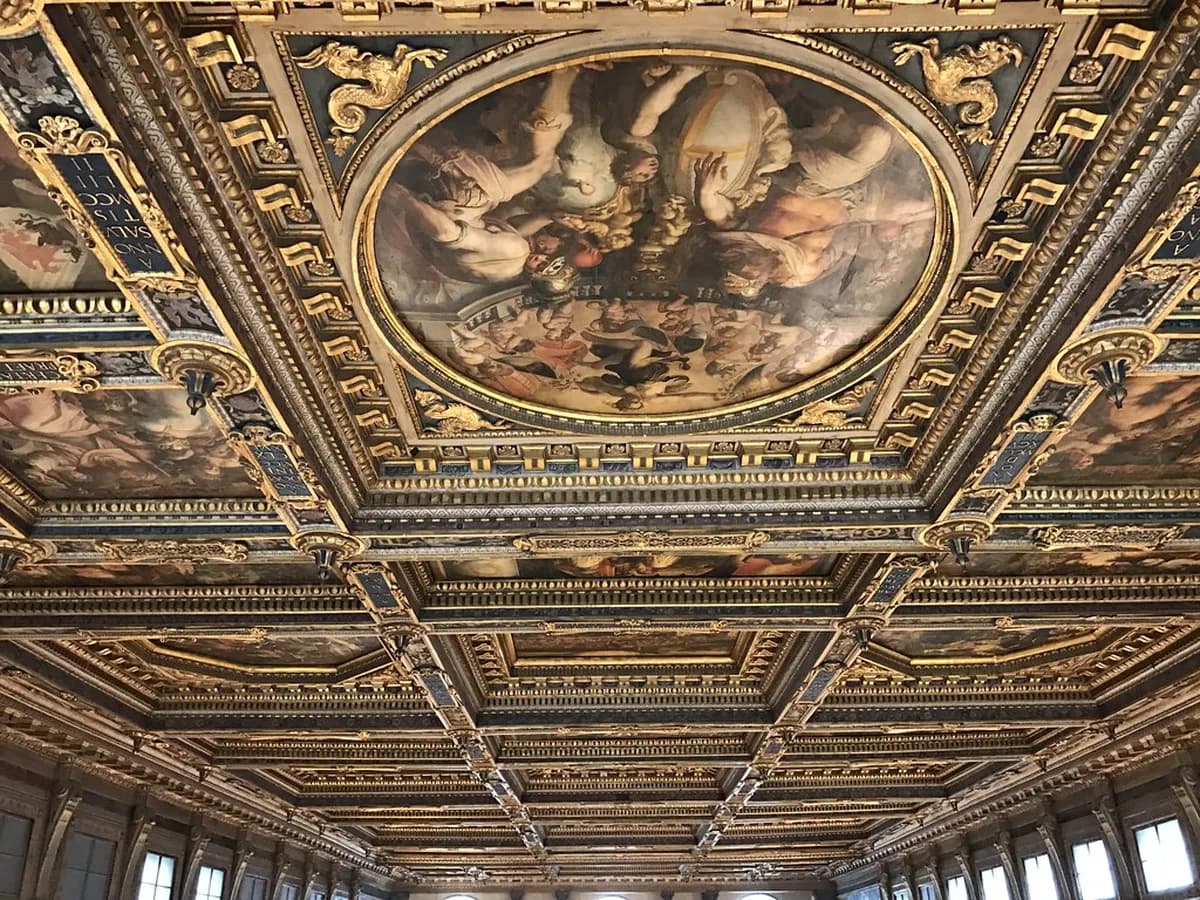
Ferrara Neighbourhoods Guide: Where to Stay Inside the Walls
Choose your quarter in Ferrara: the Renaissance core by the castle, the Diamanti district, the ghetto lanes and the quiet Certosa edge, with honest trade-offs.
On this page
Ferrara is often described as a compact Renaissance city where the historic centre carries UNESCO recognition, yet the old town is not one uniform tourist district. Walk fifteen minutes in any direction inside the walls and the atmosphere shifts: arcaded squares thick with cafés, a wide planned grid of palaces, shadowy medieval lanes, and quiet residential edges where cloisters outnumber shops.
This guide treats each quarter as a decision rather than a checklist. For every area you get the character, the landmark that anchors it, and the practical trade-off of sleeping, eating or merely passing through, so you can match a base to the kind of trip you are actually taking.
Why Ferrara's Quarters Are Small Enough to Compare on Foot
Ferrara sits on flat ground in Emilia-Romagna, and its old city is wrapped by a ring of walls that one tourism consortium describes as roughly nine kilometres long, walkable or cyclable. That geometry matters: almost every quarter discussed here lies within a comfortable stroll of the next, so you are choosing a mood and a base, not a transport plan.
One travel account puts the railway station roughly twenty minutes on foot from the castle, which means even arrivals without a car can reach the core quickly. Treat that as an orientation figure rather than a timetable: check current local transport information through the city's official channels before relying on a specific bus or route.
The city walls themselves are the connective tissue between quarters, so a morning walk along the ramparts doubles as a way to see how the districts lock together. If your interest runs to the overlooked corners rather than the headline sights, the hidden gems in Ferrara are concentrated in the same small compass.
The Renaissance Core: Piazza Trento e Trieste, the Cathedral and the Castle
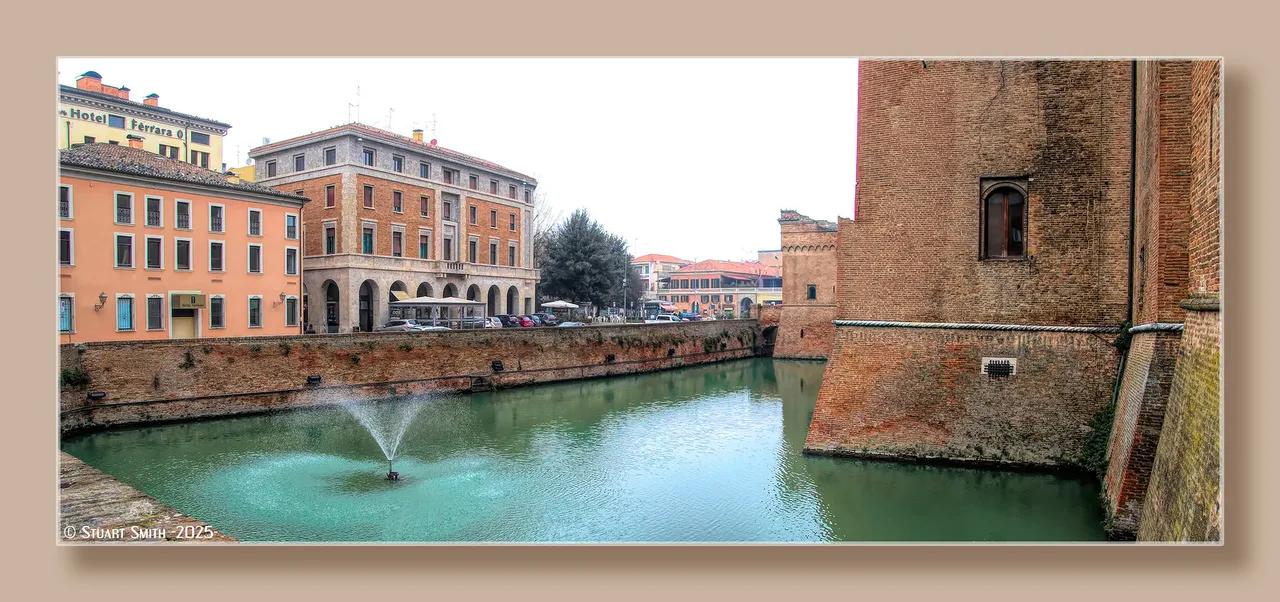
This is the Ferrara most visitors picture: Piazza Trento e Trieste with the Cathedral of San Giorgio, the moated Castello Estense a few steps away, and the Palazzo Municipale with its inner courtyard, Piazza del Municipio. Tourism material describes the castle as the city's iconic monument, built from 1385, sitting right in the centre.
Sleeping here buys atmosphere and convenience: you step out into evening passeggiata territory, and the market stalls, cafés and theatre courtyard are all within a few minutes. The trade-off is exactly that liveliness, so light sleepers should ask about room position and courtyard noise rather than assume a central address is quiet.
Practical details for the core change with the season and with restoration work, and the castle operator publishes its own visiting arrangements. Check the castle's own official pages for current opening times and ticket conditions rather than relying on reseller descriptions.
The Diamanti District and the Addizione Erculea
North of the medieval core lies the Addizione Erculea, the planned expansion begun in 1492 under Ercole I d'Este. Travel writing has called the result one of the significant pieces of fifteenth-century town planning, and that claim is best read as commentary rather than official designation; what you can verify on the ground is the wide, straight street grid and the grand palaces along it, which is why the city is named in this guide to UNESCO World Heritage.
Palazzo dei Diamanti anchors the district with its facade of diamond-cut stone, built from 1493 and now shared between the civic gallery and temporary exhibitions, according to tourism material. Parco Massari nearby offers trees and benches, and travel writing describes the green space as a calm interruption between palaces rather than a sight in itself.
For travellers this quarter is the quieter, more residential-feeling alternative to the core: grand architecture, fewer café tables, and a short walk back to the cathedral square. If you want the Renaissance city without sleeping in its busiest piazza, the Diamanti grid is the natural second choice.
Palazzo Schifanoia and the Eastern Edge
Palazzo Schifanoia, on Via Scandiana, holds the Hall of the Months, a fresco cycle painted by the leading artists of the Ferrarese workshop under Borso d'Este. Official tourism material describes the room's three-tiered scheme: court life below, astrological deities in the middle, and the planetary triumphs above.
The museum page publishes standard hours of Tuesday to Sunday, 10am to 7pm, with the ticket office closing at 6pm, plus a full and reduced ticket band. Because those values can change, treat the published page as the thing to re-check the week you travel rather than a fixed rule you can plan months ahead.
In neighbourhood terms, the eastern edge around Schifanoia and the lanes toward Casa Romei is a transition zone: close enough to the core for an easy walk, but noticeably quieter after dark. It suits travellers who want a museum-heavy day followed by a low-key evening rather than a second passeggiata.
The Medieval Lanes and the Former Jewish Ghetto
Via delle Volte, Via Boccacanale and the surrounding lanes form the medieval quarter, and Via delle Volte in particular, with its arches and suspended passages, is singled out even in tourism listings as one of the city's most atmospheric streets. Walking the streets costs nothing; the value is in the fabric of the lanes themselves.
Travel accounts describe this area as best experienced early, before the shops and the day-trippers arrive, when the arches and brickwork are quiet. The old Jewish ghetto streets sit within this same pocket, a few minutes from the cathedral yet clearly different in feel, which is the point: the centre is not a single tourist district.
Staying here puts you in narrow lanes and converted buildings rather than a grand piazza, which many travellers prefer and some find too enclosed. Ask about access for luggage and about evening lighting before booking a room deep in the arches.
A Suggested One-Day Walk Through Three Quarters
An explicitly suggested route, not an official itinerary: start at Piazza Trento e Trieste in the morning, loop the castle moat, then head north into the Addizione Erculea to see the Palazzo dei Diamanti facade and Parco Massari before working back south through Via delle Volte toward the cathedral. Allow a relaxed half day to a full day, depending on how long you linger.
Keep the day honest about what is free and what is not. The moat, square and facades cost nothing to look at, while the castle interior, the Diamanti galleries and the Schifanoia museum are separate ticketed experiences, so choose one interior rather than trying to collect them all in an afternoon. For wider planning, see Ferrara Attractions: Visitor Guides to 10 Sights.
The Quieter Edges: Certosa, Massari and Sant'Antonio in Polesine
Toward the southern and eastern edges inside the walls, the Certosa complex, once a Carthusian monastery and now a monumental cemetery, and the leafy streets near Parco Massari feel more residential than monumental. These are the places to head if you want long, unhurried walks at the end of a sightseeing day. For wider planning, see Hidden Gems in Ferrara.
Sant'Antonio in Polesine is a working Benedictine monastery founded for Beatrice d'Este in 1257, and visitors can usually see the nuns' choir with its fourteenth-century frescoes through a guided look with a sister or volunteer. The official museum service lists the contact address as Vicolo del Gambone and gives phone and email details for the community, which are the right way to check access.
Published opening windows for the monastery differ between sources and change over time, so treat any schedule you find online as indicative and confirm directly with the nuns before making the walk. Being a visit inside a living community rather than a museum with a turnstile is part of what makes the neighbourhood feel different.
The official museum service also gives practical arrival notes: by bus from the station and downtown, or twenty-five minutes on foot from Castello Estense, which is the widest spread of any quarter in this guide.
Choosing Between Quarters: Three Traveller Profiles
First-timers with one or two nights should base in the Renaissance core or just off it, accepting some evening noise in exchange for everything within a five-minute walk. The compromise is that this is the least private-feeling option, and street-facing rooms in a lively piazza can stay busy well into the evening.
Travellers staying longer, or returning, get more from the Diamanti grid or the eastern edge: a calmer base, a short cycle to the core, and the sense of a city where people still live rather than perform. The trade-off is a few more minutes on foot after dinner, and fewer restaurants immediately outside the door.
Anyone prioritising the monastery visit or the Certosa should look at the southern edge, where you trade convenience for tranquillity. Wherever you land, decide which sights are free exteriors and which are separately ticketed interiors before you go, because Ferrara is generous with the former and strictly itemised on the latter.
Free Exteriors, Paid Interiors and Booking Museum Time
Ferrara rewards walkers because so much of its best architecture is free to look at: the castle's moat and courtyards, the cathedral square, Via delle Volte, the Diamanti facade, and the city walls. Travel writing confirms that wandering these exteriors costs nothing and that interiors are ticketed separately, so plan your budget around the museums you genuinely want, not around a single city pass.
For ticketed sites, reserve when the official site allows it and check opening days on the operator's own page rather than a reseller. Prices and closures change; Schifanoia's museum page, for instance, publishes its own current full and reduced ticket bands, and the safe habit is to verify those the week you travel. Further visitor details appear in Museo Schifanoia - InFerrara.
If you want the full picture of what is inside the walls and just outside, a single attractions hub linked from this guide collects the visitor essentials, and the city's official site is the place to check municipal notices that might affect your plans.
Plan Your Visit
Ferrara's quarters are close enough that you can walk between them in a morning, but distinct enough that your base shapes the kind of trip you have. Pick the core for first-night energy, the Diamanti grid for calm and palaces, the lanes for atmosphere, and the edges for a slower rhythm.
Before you go, confirm museum hours, ticket bands and church access on the operator or official tourism pages, and leave room for the free pleasures of walls, squares and lanes that cost nothing at all.
Frequently Asked Questions
Which part of Ferrara is best for a first stay?
For a first stay, the area around Piazza Trento e Trieste and the Castello Estense puts the cathedral, the castle exterior and most cafés within a short walk, but accept some evening noise. If you prefer quiet, the Diamanti district a little north is a good compromise, with grand streets and a calmer night.
Can you walk between Ferrara's neighbourhoods?
Yes. The old city is flat and compact, and the walls run roughly nine kilometres around it, so the main quarters are all reachable on foot. The southern monasteries are the furthest, with the official museum service estimating about twenty-five minutes from the castle.
Are Ferrara's churches and courtyards free to visit?
Some exteriors, squares and courtyards are free to look at, including the castle's surroundings and the cathedral square. Interiors such as museums and parts of religious complexes are separately ticketed or require a guided look, so check the operator's own page for current conditions before you plan a visit.
Sources
- Comune di Ferrara | Sito istituzionale
- St. Anthony Polesine - Musei di Ferrara
- Monastery of Sant'Antonio in Polesine - InFerrara
- Museo Schifanoia - InFerrara
- 24 Hours Sightseeing In Ferrara Italy & Nice Places For Food
- A Week in Ferrara: The Best City You Weren’t Planning to Visit - Travel Guide - Mark Your Landing Spot
- to-be-seen
Continue exploring
More guides you'll find useful