
Best Time to Visit Bolzano and Avoid Crowds: Month Guide
Plan a Bolzano city break around the quieter weeks, from spring shoulder closures to the September sweet spot and October larch colour in the Dolomites.
On this page
Bolzano sits at the meeting point of alpine tradition and Mediterranean ease, and its busiest periods follow the rhythms of the surrounding Dolomites rather than the city alone. The Bolzano tourism board presents the city as a year-round base for portico walks, museums, castles and cable cars, with events in every season. That means you can often dodge peak crowds by understanding when the mountains, not the city, absorb or release visitors.
Crowd levels in Bolzano are rarely an all-or-nothing issue. The city centre can feel lively during festive periods, while spring and late autumn bring quieter streets and a different trade-off: fewer services in the surrounding valleys. This guide uses regional patterns from the Dolomites to suggest when a crowd-averse city break is likely to feel calmer, and flags where you need to verify current openings before booking.
Quick answer: which weeks suit a crowd-averse Bolzano city break
If you want a balance of open services, walkable days and manageable numbers, September is the strongest all-round choice. Regional guides consistently rank it as the sweet spot for hiking and sightseeing, with warm days, cool mornings and thinner trails once the summer holidays end. For Bolzano, that translates into a city that still feels alive but less compressed than in August.
Late June to early July is the quieter start of the hiking season, when wildflowers are out and the main summer rush has not yet arrived. October offers golden larch colour and moody light, but many mountain lifts and huts begin to close by mid-month, so you need to plan around earlier shutdowns. November and the spring months of April and May are the least rewarding for a mountain-focused trip, though a city-based stay can still work if you accept limited valley services.
Why Bolzano works as a base: porticoes, museums, castles and cable cars
Bolzano’s compact centre makes it easy to mix city time with mountain access without a car. The tourism board highlights strolls under the porticoes, visits to museums and castles, and cable cars that reach panoramic viewpoints in minutes. That combination means you can structure a trip around short outings and still have a calm afternoon in town if the weather turns.
The city itself is the anchor, but the surrounding South Tyrol region provides the seasonal rhythm. The regional tourism site organises information by season and lists events, markets and outdoor activities across the province. Use that as a planning layer: check what is running in the valleys around your dates, then decide how much of your trip to spend in Bolzano and how much to spend higher up.
If you want to go beyond the obvious stops, a local guide to hidden gems in Bolzano can help you find quieter corners like the Oswald Promenade walk. These are city-level choices you can make in any month, which is useful when regional services are thin. The hidden gems in Bolzano article is a practical companion to this seasonal guide.
Winter: Christmas-market atmosphere versus cold, short days and busy weekends
Winter brings a distinctive atmosphere to Bolzano, and the city’s Christmas market is one of the region’s best-known seasonal draws. The trade-off is obvious: festive weekends can be the busiest times of the year in the centre, while daylight is short and temperatures are low. If you are crowd-averse, aim for weekdays and accept that some mountain activities will be limited to snowshoeing, sledding or scenic cable-car rides.
Bolzano’s tourism board does not publish a definitive ranking of its quietest December weeks, so treat any claim of a guaranteed calm period with caution. Instead, use the market’s own published programme and the city’s event calendar to identify days with fewer scheduled activities. You can also base yourself in Bolzano and take short city walks when the valleys are cold or icy.
Spring: melting snow, partial closures and the trade-off of quiet weeks
April and May are often described as the awkward in-between season in the Dolomites: snow is melting, many lifts and mountain huts are closed, and trails can be muddy or still snow-covered at altitude. In exchange, you get quiet roads and lower prices in the valleys. For a Bolzano city break, that can be a reasonable trade if your priority is wandering the porticoes and visiting museums rather than high-level hiking.
Do not assume that closures in mountain villages automatically apply to Bolzano itself. The city’s tourism board presents Bolzano as a year-round destination with cultural offerings in every season, so the centre is likely to have more open than the high valleys. Still, verify the specific museums, castles or cable cars you plan to visit before you book, since spring maintenance can affect individual sites.
Late June and early July: the quieter start of the hiking season
Late June and early July often feel like the best-kept secret of the Dolomites summer. Wildflowers are blooming, the highest trails are beginning to open, and the July crowds have not yet peaked. Regional guides note that early July is a sweet spot before Italian school holidays bring heavier traffic to popular trailheads and lifts.
For a Bolzano base, this is a good window to combine city time with lower-altitude walks and a cable-car ride or two. Check whether the specific lifts and huts you want to use have opened for the season, since opening dates vary by year and by operator. The city’s official tourism site is the place to confirm what is running during your dates.
September: the regional sweet spot for weather, open trails and manageable numbers
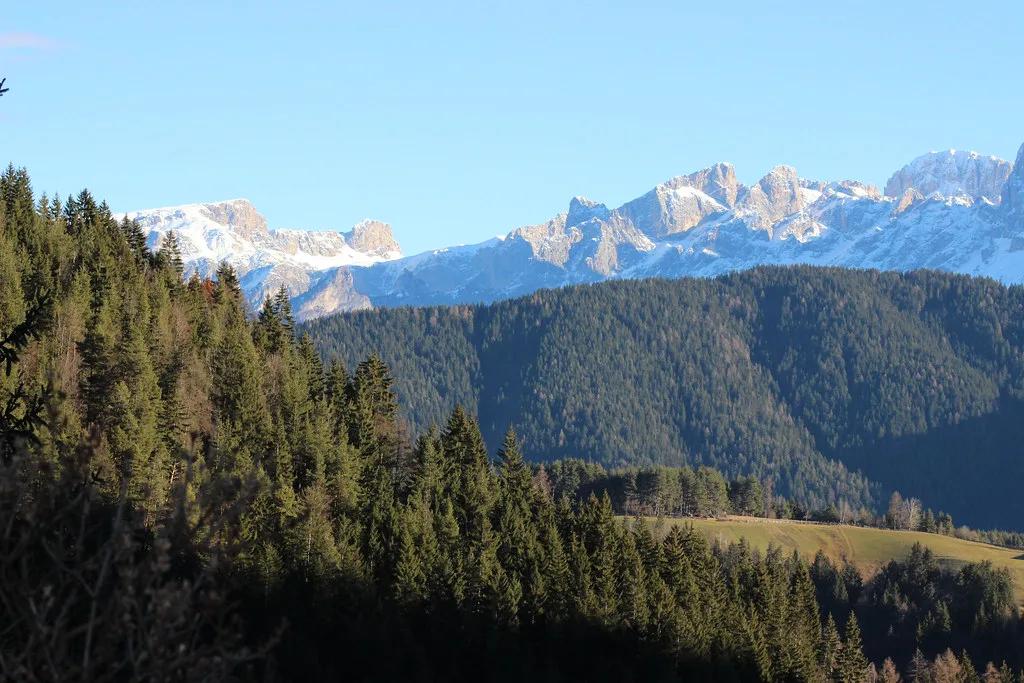
September is widely recommended as the best month for a Dolomites trip that combines hiking, photography and sightseeing. Days are warm, mornings are cool, and the summer crowds have thinned, while most lifts and mountain huts remain open. For Bolzano, that means you can enjoy the city without the August compression and still access the surrounding peaks.
The light in September is often described as golden and low, which suits both photography and leisurely walks. You will still find some visitors, especially around the most famous viewpoints, so early starts remain useful. But compared with July and August, the balance of open services and breathing room is hard to beat.
October: larch colour and golden light, with mid-month service shutdowns
October brings some of the most dramatic scenery of the year as larches turn gold and the air turns crisp. It is also a month of transition: many mountain huts and lifts close by mid-October, and early snow can dust the higher trails. If you are coming for autumn colour, plan for the first half of the month and check opening dates for the specific services you need.
Bolzano itself stays lively in October, and the city can be a comfortable base for lower-altitude walks and museum visits even when the high country is shutting down. The regional tourism site lists autumn experiences such as Törggelen, the traditional harvest custom, which can extend your options beyond hiking. Use it to check what is still running in the valleys around your dates.
November: the regional off-season and what it realistically means for a city stay
November is the quietest month in the Dolomites, with many lifts and huts closed, trails muddy or snowy, and a general pause before winter. Regional guides often advise against visiting for hiking or mountain scenery during this period. For a Bolzano city break, however, the picture is more mixed: the town is likely to be calm, but you should not expect the full range of mountain excursions.
If your priority is avoiding crowds and you are happy with urban walks, museum visits and perhaps a short valley stroll, November can work. Just verify that the specific sites and restaurants you want are open, since some businesses take their own seasonal breaks. The city’s tourism office is the most reliable source for what is operating in Bolzano itself.
How to avoid crowds in any month: early starts, weekdays and low-altitude walks
Crowd-avoidance tactics work in every season. Start your day early, especially in September and October when morning light is best and popular trailheads fill later. Visit the city’s main museums and churches on weekday mornings, and save the most famous mountain viewpoints for off-peak hours or less obvious alternatives.
Bolzano’s compact centre makes it easy to escape the busiest streets simply by walking a few blocks. Use the porticoes for shady strolls, and consider low-altitude paths like the Oswald Promenade when you want a view without joining a cable-car queue. These small choices often matter more than the month you choose.
For a deeper menu of quieter spots, browse the Bolzano Attractions hub to compare sites and plan a route that balances headline sights with calmer corners. A little planning around opening times and day of the week can transform a crowded weekend into a relaxed city break.
Practical mistakes: assuming mountain closures apply to Bolzano itself
One common mistake is to read a regional closure notice and cancel a city trip unnecessarily. The Dolomites off-season affects high-altitude services, but Bolzano’s museums, shops and porticoes generally operate on a different rhythm. The city’s official tourism site presents Bolzano as a four-season destination, which suggests that many urban attractions remain available even when the mountains are quiet.
Another mistake is to assume that every site in a complex shares the same ticket or opening hours. If you plan to visit churches, castles or museums, check each one individually rather than relying on a single pass. This is especially important in spring and November, when some smaller sites may close for maintenance.
Suggested trip lengths: a short city break versus a city-plus-mountains week
A suggested two or three nights suits Bolzano well in any season. You can cover the porticoes, a museum or two, and one cable-car ride without rushing. In spring or November, this format lets you enjoy the city even if the mountains are largely closed.
For a city-plus-mountains week, aim for late June to early July or September. These windows offer the best odds of open trails, functioning lifts and manageable crowds, so you can spend a few days in Bolzano and a few days exploring the surrounding valleys. October can also work for a week if you front-load your outdoor plans before mid-month closures.
Plan around the season, not just the calendar
Bolzano’s appeal as a city break is relatively stable across the year, but the surrounding Dolomites follow a sharp seasonal curve. Choose September if you want the best balance of weather, open services and thinner crowds. Choose late June or early July if you want a quieter start to the hiking season. Choose October for colour, but check lift and hut closures before booking.
Wherever you land, confirm current opening details directly with the city’s tourism office or the specific operator, since seasonal schedules can change. That small step prevents the most common disappointment: arriving for a mountain experience that is not running yet, or already closed. For related planning, see One Day in Bolzano Itinerary: Old Town, Ötzi and Talvera.
Frequently Asked Questions
What is the best month to visit Bolzano without crowds?
September is generally the strongest choice for a balance of good weather, open mountain services and thinner crowds than midsummer. Late June and early July are also quieter than August, though some high trails may still be opening. November is the calmest month regionally, but many mountain services are closed.
When should you avoid the Dolomites and Bolzano?
If your main goal is hiking or mountain scenery, avoid November and the spring months of April and May, when many lifts and huts are closed and trails can be muddy or snow-covered. Bolzano itself can still be visited then, but check that the specific sites you want are open.
Is October a good time to visit Bolzano?
Yes, for autumn colour and city time, but plan carefully. Larch season is beautiful, yet many mountain huts and lifts close by mid-October, and early snow can affect higher trails. Check opening dates before you book and keep your outdoor plans flexible.
Is May a good time to visit Bolzano and the Dolomites?
May is quiet and can be pleasant in the city, but the mountains are often in a transitional state with closed lifts and snowy or muddy trails. If you are content with urban walks and lower-altitude outings, it can work; if you want high-level hiking, wait until late June.
Is Bolzano crowded during the Christmas market?
Bolzano’s Christmas market is a popular seasonal draw, and festive weekends are likely to be busy. The city does not publish a ranked list of its quietest market weeks, so check its event calendar and consider visiting on weekdays if you want a calmer experience.
Can you hike near Bolzano in June?
Yes, especially from late June onward, when many trails and mountain huts begin to open. Early June can still have snow at higher elevations, so check conditions and opening dates for the specific route you plan to take.
Sources
Continue exploring
More guides you'll find useful





