
Trieste 3-Day Itinerary: Coffee, Carso and a Ferry Day
Plan three days in Trieste: a coffee morning, a walkable old-town route, a seasonal osmiza on the Carso and a ferry or Miramare day, with trade-offs.
On this page
Trieste rewards a slow pace more than a checklist. Its centre is compact enough to cross on foot, with the sea-facing Piazza Unità d'Italia, the Canal Grande and the hilltop Castello di San Giusto all within a comfortable walking day.
What complicates a three-day plan is everything beyond the centre: the Carso plateau above the city, the coast towards Miramare and Muggia, and the castles and museums that each eat a half-day. The plan below keeps the walking day intact, gives the excursions their own slots, and flags which details you must check before you travel rather than trusting a fixed schedule.
Treat this as a suggested structure, not an official itinerary. Days can be swapped, and anyone with only two days should drop the excursion day rather than the walkable core, which is the part that gives Trieste its character.
Why Three Days Suits Trieste
Trieste is a small city that does not feel Italian in the way Florence or Rome does. Centuries of Austrian rule left coffee houses, grand palazzi and a melancholy, cosmopolitan air, all layered on Roman remains and a working port. That mix is best absorbed slowly, with time to sit in a cafe between sights.
Two full days cover the old town and one major excursion. Three days let you add both a Carso or coast outing and an unhurried castle visit without rushing the centre. This plan therefore separates the city walk from the excursion day instead of squeezing a bus trip between monuments.
If you want to linger over lesser-known corners, the guide to hidden gems in Trieste is a useful companion to this itinerary, and it fits naturally into Day 1 or an evening slot rather than replacing the core sights.
Before You Go: Season, Base and Structure
Trieste has four proper seasons, so what you can do depends heavily on timing. Summer opens up swimming and the bulk of the seasonal farm openings on the Carso; winter is colder and windier thanks to the bora, the fierce north-easterly gust that defines the city's weather. Check a local forecast before committing to an outdoor day.
For a base, the Cavana area is the most practical choice for an itinerary built around walking and evening drinks. It is a small district of pedestrian lanes with plenty of bars, and it puts you a short stroll from Piazza Unità and the Canal Grande. Staying near Viale XX Settembre is a quieter alternative with the same walkability.
Structure the days as follows: arrival and an easy evening, a full walking day in the centre, then an either/or third day for the coast or the castles. Keep a buffer for the small frictions covered later, particularly midday kitchen closures and the need to buy bus tickets before boarding.
Day 1: Settle In, Aperitivo in Cavana, Evening at Piazza Unità
Drop your bags at your accommodation first, even if the room is not ready, so the afternoon is unencumbered. Then walk the short distance into Cavana for an aperitivo, the Italian pre-dinner drink that often comes with small snacks. It is an easy, low-commitment way to start when you are tired from travelling.
Note that not every bar follows the snack convention, so choose accordingly if you are relying on aperitivo to replace dinner. Wine bars in the district tend to offer cheese and cured meat boards, which is a sensible light meal after a travel day.
Finish with an evening walk to Piazza Unità d'Italia, the vast square that opens directly onto the Adriatic and is ringed by Habsburg-era buildings. The light changes through the evening, and returning at a different hour on another day is genuinely worth the detour.
Day 2 Morning: Trieste Coffee Culture and the Capo in B
Start the day the way the city does, with coffee standing at a bar. Trieste has been a major coffee port for centuries and is the birthplace of illy, which is why the coffee culture feels deeper here than in most Italian cities. Order a capo in b, an espresso with a dash of milk served in a small glass, and you are drinking like a local.
Breakfast in Italy is light: a coffee and a brioche, taken quickly. If you want more, look for a cafe serving brunch, but do not expect the full English spread. The less assuming the bar, the lower the price tends to be, while quality stays high.
If coffee is a serious interest rather than a habit, the city's cafes are destinations in themselves. The official tourism portal maintains sections on Trieste as a coffee city and on its historic cafes, which is the right place to check current listings before you set out.
Day 2 Walking Route: Canal Grande to San Giusto
Begin at the Canal Grande, the small waterway lined with bars and cafes, and the spot where a statue of James Joyce crosses the Ponterosso bridge. It is better for a stroll than a sit-down meal, since the canal-side tables trade quality for the view. Then head up Viale XX Settembre, a pedestrian street of shops and cafes worth walking end to end.
From there, Via San Nicolò and the two parallel streets between the canal and Corso Italia show the city's Austrian roots most clearly. Weave up and down all three if you have the time. This brings you to Piazza della Borsa, a lively small square that often hosts live music and carries traces of Trieste's postwar history.
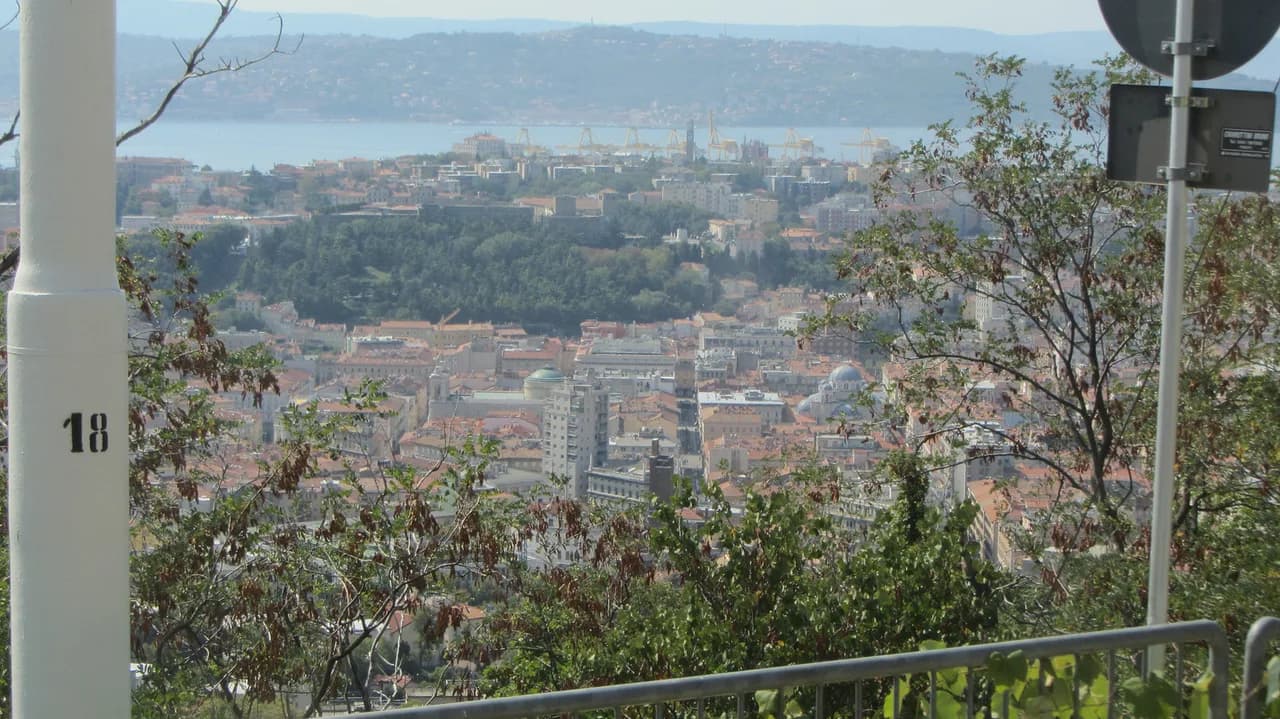
In the afternoon, climb to Castello di San Giusto for the best view over the city and the bay. There are two approaches, one through the Parco della Rimembranza and one up the tree-lined street to the cathedral, so go up one way and down the other. The hill also holds the Roman theatre and remains, making the climb a sight in itself rather than just a viewpoint.
Save the castle interiors for a clear day and check whether you want the museum and guided tours or simply the panorama, since these are different commitments. For a deeper dive into the city's imperial layers on the same walk, a self-guided Habsburg walk slots in well between the canal and the hill.
Day 2 Evening: A Seasonal Osmiza on the Carso
An osmiza is a farmhouse selling what it produces, usually cured meats, cheese and its own wine. Most are seasonal and open mainly in the summer months, though a few operate all year. The menu is sparse and the wine is not fine wine, often mixed with sparkling water as a spritz bianco, but the setting is the point.
This is the part of the plan most likely to fail if you treat it casually. Opening schedules can be erratic, many are reachable only by car, and the popular ones with sea views fill up. Check which are open on your date and call ahead to reserve, especially in summer, before building the evening around one.
If the logistics do not work out, keep the evening simple and eat in the city instead. The Carso excursion then moves into Day 3 as a daytime outing with a rental car or an organised tour.
Day 3 Option A: The Ferry Outing to Barcola or Muggia
Trieste sits on the Adriatic, so the local ferry service, Delfino Verde, is a more interesting way to reach the coast than a bus. It connects the centre with beaches and with Muggia across the water, and the boats have indoor and outdoor seating. Barcola is the closest swimming spot and suits a quick dip; Muggia is a small fishing village better for a bite and a wander.
Confirm the current timetable, which stops are running and the fares with the operator before you rely on this plan, because seasonal operation changes what is possible. You pay on board, and a return ticket is usually cheaper than two singles. Beaches along this coast are not sandy, so pack accordingly.
Miramare Castle sits on the same stretch of coast and can be reached independently by bus or taxi. Combining the ferry with a castle visit is possible but tight, so choose one focus for the half-day and give Miramare its own slot if the interiors and gardens matter to you.
Day 3 Option B: Miramare Castle and Museo Revoltella
The white Habsburg castle of Miramare, built for Archduke Maximilian on the sea just outside town, deserves a half-day. Inside are sumptuous nineteenth-century interiors; outside, gardens run down to the water. Reach it by bus or taxi and check the castle's own opening arrangements and any ticketed areas before you go.
For a city-based afternoon, Museo Revoltella holds a fine art collection in a grand palazzo, and the Synagogue and Jewish Museum tell the story of a community central to Trieste's cosmopolitan past. These offer a different register from the castle and suit a cold or windy day.
Free-entry promotions at Miramare and the civic museums recur periodically rather than permanently, and the official tourism portal publishes them as dated listings. Check the current calendar before assuming a free day, and do not plan around a promotional window you have not confirmed.
What to Eat in Trieste
The food reflects the city's mixed heritage. Look for scampi alla busara, langoustines cooked in tomato and wine; jota, a hearty bean and sauerkraut soup; and frico, a crisp cheese-and-potato dish from the surrounding region. For sweetness, Austro-Hungarian desserts such as strucolo, presnitz and palacinke sit alongside Istrian Malvasia on the wine list.
The two-level Art Deco Mercato Coperto is a good place to browse and sample without committing to a full restaurant meal. For a broader orientation, including what to order and where, the local food what to eat guide pairs well with this itinerary.
The Literary Thread: Joyce, Svevo and Saba
James Joyce lived in Trieste on and off from 1904 to 1915, teaching English and writing much of Dubliners while beginning the work that became Ulysses. His pupil and friend Italo Svevo, author of La coscienza di Zeno, has his own museum in the city. The poet Umberto Saba, born here, ran an antiquarian bookshop on Via San Nicolò that still operates.
This thread can be walked rather than studied. Follow Joyce from the Canal Grande towards the old town, add the Svevo museum if time allows, and finish at Saba's bookshop. It suits a slow afternoon better than a rushed morning.
Getting Around Without a Car
The centre is walkable, and public transport covers the rest. Buy bus tickets before boarding and validate them on the bus, which is a detail that catches out visitors used to paying the driver. The bike-sharing service BiTS, run by the city with Trieste Trasporti, has docking stations across the city if you prefer two wheels.
For the Carso and the more remote osmize, a car is the honest answer, since most are not well served by bus. If you would rather not drive, treat the Carso as a guided or taxi-assisted outing and accept the extra cost. Note that one travel account reports no working ride-hailing apps in the city, so confirm locally and arrange taxis in advance.
For onward travel, trains link Trieste with the rest of Italy and with neighbouring Slovenia, and the airport sits north of the centre. Check current timetables with the operators rather than relying on fixed journey times, which vary by service.
Where to Cut or Extend Your Trip
With only two days, drop the excursion day and concentrate on the walkable core: the canal, the Piazza Unità loop, the climb to San Giusto and a proper coffee morning. The Trieste 2 day itinerary sets out that shorter version in more detail.
With a fourth day, add a coast excursion to Duino or a longer Carso outing with a cave visit and a farm lunch. Trieste day trips to Miramare Duino Muggia and Carso explains how those options differ and which need a car.
Practical Pitfalls to Plan Around
Kitchens often close in the early afternoon and reopen for dinner, so a late lunch can leave you with only drinks and snacks. Plan the main meal around midday or accept an aperitivo-style stop. This single detail derails more afternoon plans than any other.
Seasonal openings are the recurring theme of this itinerary: osmize, ferry routes and museum promotions all change with the calendar. Before each day, check the relevant operator or official tourism page rather than trusting an old listing. If something is closed, the walkable core and the coffee houses are always available.
Plan Your Visit
Three days in Trieste work when you resist the urge to fill every hour. Spend one day on foot in the centre, one on coffee and the Carso if the logistics line up, and one on either the ferry coast or the castles.
The variables that matter are seasonal: osmiza openings, ferry schedules and museum promotions. Check them close to your travel date with the operator or the official tourism portal, and keep a flexible backup in the city.
Frequently Asked Questions
How many days should you spend in Trieste?
Two full days cover the walkable centre and one excursion. Three days let you add both a coast or Carso outing and an unhurried castle visit without rushing, which is why this plan is built around three. With four days, add a second excursion to Duino or the plateau.
Is three days enough for Trieste and Miramare Castle?
Yes, if Miramare gets its own half-day by bus or taxi rather than being squeezed onto a ferry outing. Check the castle's current opening arrangements and any ticketed interiors before you go, and keep a clear-weather backup in the city.
Do you need a car for the Carso and the osmize?
A car makes the Carso and most farm openings far easier, since many are not well served by public transport. Without one, use a guided tour or a taxi and confirm which farms are open on your date. Schedules are erratic and the popular ones need a call ahead.
How do you order coffee like a local in Trieste?
Ask for a capo in b, an espresso with a dash of milk served in a small glass, and drink it standing at the bar. Breakfast is usually just coffee and a brioche, so plan a separate stop if you want a larger meal.
Is the ferry from Trieste to Muggia worth it?
It is a pleasant alternative to the bus and connects the centre with the coast and Muggia, where you can eat and wander. Confirm the current timetable, which routes are operating and the fares with the operator before relying on it, and buy a return ticket if you are coming back the same day.
What should you not miss in Trieste in three days?
Prioritise Piazza Unità d'Italia, the Canal Grande and Via San Nicolò, the climb to Castello di San Giusto and a proper coffee morning. Add one excursion, either the coast or Miramare, and leave room for an aperitivo in Cavana.
Sources
Continue exploring
More guides you'll find useful





