
Trento Two-Day Itinerary: Old Town, River and Hills
Plan two days in Trento: old-town squares and Buonconsiglio on day one, then the Sardagna cable car, MUSE or Monte Bondone on day two, with weather backups.
On this page
Trento squeezes an unusual amount into a small, walkable centre: a cathedral square, a prince-bishop's castle with one of Europe's finest secular fresco cycles, and Roman streets preserved under a modern piazza. Two days let you take that core slowly instead of rushing it, then step out of the valley entirely for the hills that frame every view. The single decision that shapes everything is the Torre Aquila frescoes inside Buonconsiglio Castle: one account suggests allowing two to three hours for a thorough castle visit that includes the tower, so once you have fixed a time slot for those frescoes, the rest of day one falls into place.
The logic is simple. Give day one to the historic centre on foot, with the Adige-side streets woven in as part of the walk rather than saved for a separate outing. Give day two to altitude or to a museum, depending on the sky. Start with our guide to the hidden gems in Trento to see which smaller corners fit around the headline sights, and use the Trento Attractions hub to check the practical detail for each stop before you commit.
Why Two Days Works in Trento
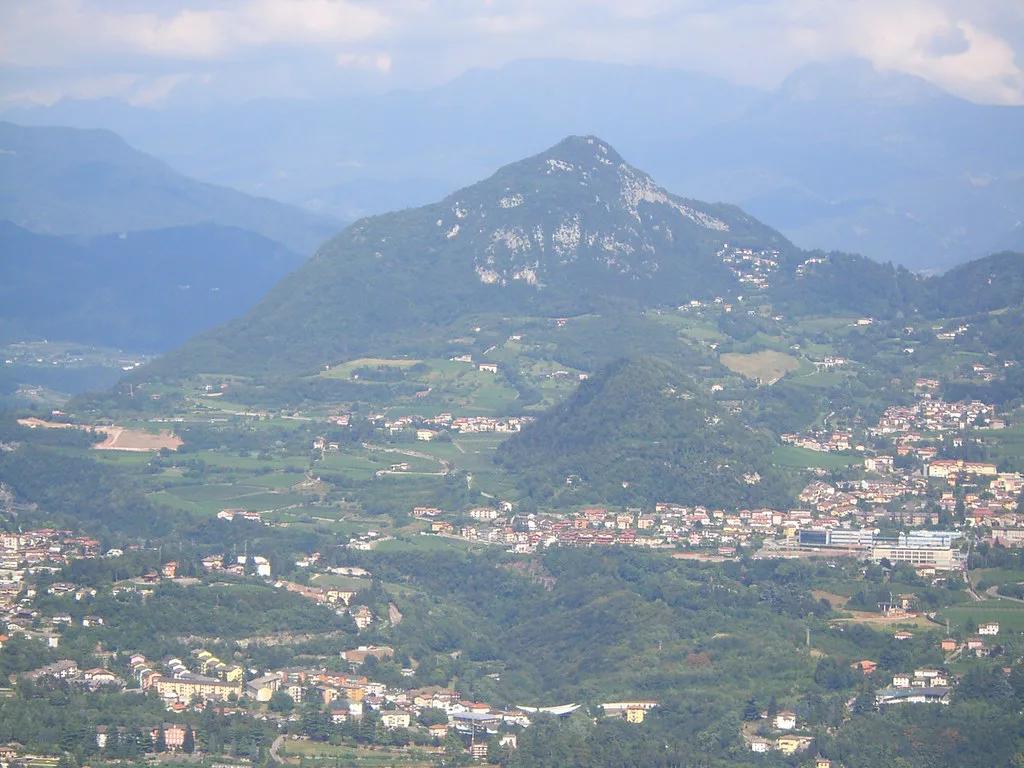
Trento sits in a mountain valley in the Trentino region, with peaks visible in almost every direction, and the centre itself is small enough to cover on foot. One writer describes the centre as small, with everything within walking distance and plenty of space, and notes that mass tourism has not yet arrived in the way it has elsewhere. Treat that as an invitation to slow down rather than a promise of empty streets.
The trade-off is that two days is not enough for everything. Trento rewards wandering, and adding a third museum or a fourth church because it is nearby is how itineraries stop being enjoyable. Pick one anchor per half-day, leave the gaps unfilled, and accept that a return visit would cover the rest. If you want a longer stay, the city also works well as a base for wider day trips into the surrounding valleys and Dolomite foothills.
Day One Morning: Piazza Duomo and the Cathedral
Begin on Piazza Duomo, where the cathedral, the Neptune Fountain and the prince-bishops' Palazzo Pretorio share one square. The Cattedrale di San Vigilio blends Romanesque and Gothic bones with later interventions, and its tower was never finished: the money ran out, which is why the profile looks the way it does. Step inside if services allow, keep shoulders and knees covered as a courtesy in any Trento church, and be prepared to give way during Mass rather than treating the nave as a sight.
A few minutes away, the Basilica di Santa Maria Maggiore carries the heavier historical weight. Commissioned in 1520 by Prince-Bishop Bernardo Clesio, it hosted the final phase of the Council of Trent between April 1562 and December 1563, the meetings that reshaped Catholic practice across Europe. Its single wide nave makes the scale of those assemblies easy to picture. The church remains an active parish and is described as open to the public free of charge, but access can be interrupted by services, so modest dress and a quick look at the posted schedule are sensible.
Do not overfill this stretch. Two churches and a square, taken at an unhurried pace with a coffee in between, is a better morning than five stops photographed from the doorway. If you arrive early you get softer light in the nave and fewer groups, and you leave the middle of the day free for the castle, which takes longer than most people budget for.
Day One Midday: Buonconsiglio Castle and the Torre Aquila
Castello del Buonconsiglio is the main cultural set piece in the city and the reason to keep the middle of day one clear. The complex grew over centuries rather than being built in one go: Castelvecchio is the medieval core, the Magno Palazzo is the Renaissance addition with frescoed interiors, and the Torre Aquila holds the Cycle of the Months, painted around 1400 and showing aristocratic and peasant life through the seasons. Allow two to three hours for a thorough visit covering the main collections and the tower, and longer if a temporary exhibition is running.
Treat the tower as a separate booking problem. The Torre Aquila runs on timed entry with strictly limited numbers to protect the frescoes, so it is worth reserving before you fix the rest of the day. General museum admission and tower access should not be assumed to be the same ticket, and policies change; confirm what your ticket includes on the museum's own site. Check closures there too, since opening days and hours vary by season and holiday schedules shift.
The honesty note is accessibility. This is a medieval and Renaissance complex on uneven terrain, with historic staircases, irregular courtyard stone, and a steep spiral stair up to the tower frescoes. Some ground-floor spaces of the Magno Palazzo are easier than others, but a complete visit is not realistic for everyone. If stairs or cobblestones are a concern, contact the museum before you go rather than discovering the limits at the entrance.
Day One Afternoon: The River and the Underground Romans
The river is not a separate day out; it is the seam through day one. Walk down toward the Adige after the castle, and when legs or weather begin to argue, drop into the Spazio Archeologico Sotterraneo beneath Piazza Cesare Battisti. The site preserves more than 1,700 square metres of Roman Tridentum, including a long stretch of the eastern defensive wall, an extensive paved road, house fragments with mosaics and traces of workshops, all brought to light during works on the city's theatre. It is indoor, compact and genuinely interesting, which makes it the best fallback in the centre.
Resist the urge to add a third church or a second museum here. Two substantial sites plus a river walk is already a full day, and the underground space works better as a substitute than as an addition. Check the current opening arrangements before relying on it as your rainy option, since museum schedules in Trento vary by season and by day of the week.
Day One Evening: Choose Dinner by Walkability
Trento's centre is compact enough that the evening decision is less about which restaurant and more about how far you want to walk back to your bed. Pick an area near Piazza Duomo or along the streets between the square and the station, and you keep options open without needing a taxi at the end of a long day. Verify opening hours and whether booking is needed directly with wherever you choose; this guide deliberately names no specific restaurant, because the useful information changes faster than any list.
One pleasant variation is to eat slightly later and take a short passeggiata first, past the fountain and through the lit streets of the old centre. Trento's evening atmosphere is one of its quieter pleasures, and it costs nothing. Keep the walk short if day one has already involved a castle and an archaeological site.
Day Two Morning: The Sardagna Cable Car
Day two starts with altitude. The cable car from the edge of the centre reaches Sardagna in a few minutes, and the viewing platform at the top gives you the city and valley spread out below. It is the fastest way to understand Trento's geography, and it pairs naturally with an aperitivo at the café up there before you come back down.
The trade-off is honest: the platform floor is built from metal bars that show the drop beneath your feet, which is unpleasant if you dislike heights. You can enjoy the terrace, the café and the view without standing on it, so the trip is still worth it for nervous companions. Fares, timetables and seasonal closures are not something to guess at, so check the operator's current information on the day.
Day Two Options: MUSE, Ponte Alto or Monte Bondone
MUSE, the science museum designed by Renzo Piano, is the long-block option and the obvious answer to rain. Its exhibitions cover nature, sustainability and mountain science with a strong interactive bias, which makes it work for mixed-age groups. The museum's own site lists its opening hours, with longer weekend hours and Monday closure, so confirm the current schedule against your dates before you build a wet day around it.
For something shorter and stranger, the Orrido di Ponte Alto is a gorge cut by the Fersina river, with a forty-metre waterfall and one of the oldest water-control works of its kind, built around 1500 to protect the city from flooding. Access is by guided visit only, and the site sits outside the centre, so it needs planning rather than improvisation. Do not assume tours are running on your dates; check availability and booking arrangements before setting out.
Monte Bondone is the clear-evening plan. The Terrazza delle Stelle sits at more than 1,500 metres with very little light pollution, and guided stargazing sessions use telescopes to show the Milky Way; there is also a botanical garden within walking distance for daytime visits. The altitude is the catch: even on a mild evening it gets cold up there, so layers are a scheduling decision as much as a packing one. Guided sessions need booking by arrangement, so enquire ahead.
Sequencing Day Two Around the Weather
Use a simple rule. Dry and clear means hills: cable car in the morning, Monte Bondone or a walk in the afternoon. Wet means MUSE, with the underground Roman site as a shorter substitute if you have already used your museum appetite. Cold and clear means the stargazing terrace, with warm layers and a confirmed booking before you commit the evening.
The rule matters because Trento's appeal is split between indoors and outdoors, and mixing them up wastes the good half of a short trip. If visibility at altitude is poor, the cable car loses most of its point, so swap it rather than riding up to look at cloud. Keep day two flexible and book only what genuinely constrains you, which in practice means the tower slot on day one and any guided evening session.
Tickets, Cards and Transport Logic
The Trentino Guest Card bundles public transport and museum entry in the region, and it is often included with partner accommodation rather than bought separately. Whether it pays off in two days depends entirely on how many paid sites you will actually enter, so count your likely admissions first and compare coverage. Check the current terms directly, since the figures quoted in older write-ups are not reliable for a 2026 trip.
A car is not necessary for this itinerary. The historic centre is walkable, the station is a short walk from the castle area, and city buses serve the centre for anything further out. That said, some hill and valley destinations are awkward by public transport, so if Monte Bondone or the wider Dolomite foothills are central to your plans, weigh a car or a tour against the convenience of staying car-free.
What to Skip and Common Mistakes
The most frequent error is over-scheduling day one. A castle with three distinct sections, two major churches and an underground archaeological site is already a demanding day, and adding more simply flattens the experience. The second is assuming one castle ticket covers everything, when the tower frescoes operate on separate timed access; verify rather than assume.
The third is treating the river as its own day. It is not; it is the connective tissue of day one and the reason the old town walk feels like a loop rather than a list. The fourth is leaving the cable car or a stargazing session to the last minute and then finding conditions wrong. Build in one flexible half-day and the itinerary forgives almost anything the weather does.
Plan Your Visit
Two days in Trento split cleanly: a walking day through Piazza Duomo, the cathedral and Santa Maria Maggiore, Buonconsiglio Castle with its Torre Aquila frescoes, and the underground Roman remains by the river, followed by a hill day shaped by the forecast. Book the tower slot first, treat the Trentino Guest Card as a calculation rather than a default, and verify hours and prices at each official site. The city rewards a slower pace than the checklist suggests.
For the smaller corners that fit around these anchors, our guide to the hidden gems in Trento picks up where this plan leaves off, and the Trento Attractions hub keeps the practical detail for each sight in one place. For related planning, see MUSE Trento Visitor Guide: Hours, Tickets & What to See.
Frequently Asked Questions
How should you split two days between Trento's old town and the hills?
Give day one entirely to the compact historic centre on foot: Piazza Duomo, the cathedral, Santa Maria Maggiore, Buonconsiglio Castle and the underground Roman site near Piazza Cesare Battisti, with the river woven into the walk. Give day two to the hills or to a museum, choosing between the Sardagna cable car, MUSE, the Ponte Alto gorge and Monte Bondone depending on the weather.
Do you need to book the Torre Aquila frescoes in advance?
The Torre Aquila operates on timed entry with strictly limited numbers to protect the fragile Cycle of the Months, so advance booking is strongly advised, especially in summer and at weekends. General castle admission is different from tower access, and policies can change, so check what your ticket includes and confirm current arrangements on the museum's own site before you travel.
Is the Trentino Guest Card worth it for a two-day Trento trip?
It depends on how many paid sites you will actually enter, because the card bundles regional transport and museum admission rather than offering a flat saving. Count your likely admissions first, check whether your accommodation already includes the card, and compare against current coverage on the official Trentino tourism site rather than relying on older figures.
What can you do in Trento on day two if it rains?
MUSE, the Renzo Piano-designed science museum, is the natural long-block choice for a wet day, with interactive exhibitions on nature, sustainability and mountain science. If you want something shorter, the Spazio Archeologico Sotterraneo beneath Piazza Cesare Battisti is indoors and central. Confirm opening days and hours on each museum's own site, since published schedules vary between sources and seasons.
Can you reach the Sardagna viewpoint and MUSE without a car?
Yes. Trento's centre is compact and walkable, the railway station is a short walk from the castle area, and city buses serve the centre and nearby destinations. The cable car to Sardagna starts at the edge of the centre. For Monte Bondone and the Ponte Alto gorge, public transport is less convenient, so allow more time or consider a car or organised tour.
Is Monte Bondone stargazing realistic for a short stay?
It can be, but only if the evening is clear and you have booked a guided session and arranged transport back. The Terrazza delle Stelle sits above 1,500 metres with minimal light pollution, and it is cold even in good weather, so warm layers are essential. If the forecast is cloudy, swap the evening for the cable car or a museum rather than riding up to sit in cloud.
Sources
- My top 5 day trips from Trento | Trip Unlocked
- Best things to see in Trento, Italy | Trip Unlocked
- Castello del Buonconsiglio - Trento
- Museo Castello del Buonconsiglio - Events in Italy by Dolcevia - Dolcevia®
- Muse - Museo delle Scienze di Trento
- Free-access to the main museums with Museum Pass
- Spazio Archeologico Sotterraneo SASS - Sightseeing - Museums
- Basilica di Santa Maria Maggiore in Trento - Trento, Italy | Ciceru - Travel Stories & Adventure Guides
Continue exploring
More guides you'll find useful





