
Positano One Day Itinerary: A Realistic Plan for Steps and Crowds
Plan one day in Positano with a realistic order of stops, honest notes on steps and beach time, and tips for booking ahead so the day feels unhurried.
On this page
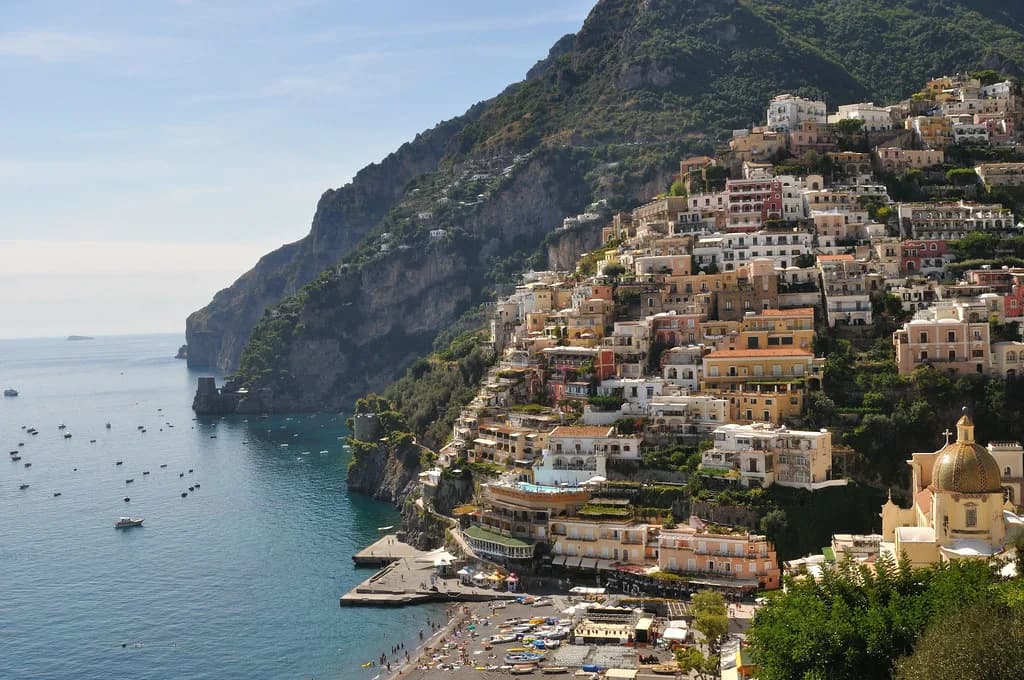
Positano compresses a lot into a small amphitheatre of stacked houses above the Tyrrhenian Sea, and a single day is enough to see why people build trips around it. It is not enough to do everything, so the practical approach is to pick one anchor for the afternoon, usually a beach slot or a long walk, and let the rest of the day fill in around it. Travelers who try to squeeze in shopping, swimming, a hike and a long lunch in one visit tend to describe the day as rushed.
This itinerary assumes you arrive in the morning and leave after sunset, which is the most common shape for a day trip. It favours walking downhill with fresh legs only where you must, then climbing back up in short stretches while energy is still high. Everything here is a suggestion rather than a fixed timetable, and the only hard rule is to confirm opening times, ticket availability and transport yourself before you commit.
What One Day in Positano Realistically Covers
A comfortable day here covers four things: an orientation walk on the seafront, a short cultural stop, one proper meal with a view, and one optional block of beach time or walking. That is a realistic shape for a town where the main sight is the town itself, seen from different heights. First-time visitors who arrive by ferry often say the town has surprisingly few conventional attractions and makes up for it in atmosphere and views, which is useful for setting expectations.
What you should drop first is the idea that a hike and a beach can share an afternoon. The Path of the Gods consumes roughly half a day once you account for getting to the trailhead and walking back down into town, which is the honest framing travelers give it. If the walk matters more than swimming, start earlier and treat the beach as a short sit rather than a swim-and-lounge session. If the beach matters more, keep the day lower on the hillside and skip the trail entirely.
Plan on stairs being the tax you pay for the views. Positano is built into a cliff, so almost any movement between the beach, the shops and your chosen viewpoint involves flights of steps and steep lanes, and one source flags that cobblestones and stairs can be tricky underfoot. Good shoes matter more than a packed schedule. If anyone in your group struggles with steps, keep the day anchored near the seafront and take the climbs in small, slow pieces rather than as one long ascent.
Getting In and Out Without Wasting the Day
Most day visitors arrive by ferry or with a driver, and both simplify the day considerably. The ferry drops you beside the main beach area, which puts you at the bottom of town with the classic view back at the stacked houses already in front of you. Arriving by road means a winding cliff descent; one traveler describes the coastal drive as beautiful but nerve-testing, and notes that having a driver made access easier than managing a car in the tight streets.
Self-driving adds parking decisions and narrow-road stress to a day that should be spent walking, so weigh that trade-off honestly before choosing it. Ferries are weather-dependent and seasonal timetables change, so check the operator's own site for the day you plan to travel rather than relying on an old blog post. For the return leg, leave a buffer at the pier or car park instead of cutting it fine on the last crossing.
Where you sleep shapes the day more than most travelers expect, especially if you are staying nearby rather than day-tripping. Basing yourself in a smaller coastal village and coming in for the day is a common pattern, and it changes your arrival time and your appetite for the climb back. Our Positano neighborhoods guide where to stay breaks down the trade-offs between seafront convenience and the quieter, higher streets.
Morning: Start at the Main Beach and Walk Up First
Begin on Spiaggia Grande, the large pebble beach beside the ferry landing, to get your bearings and the postcard view back at the pastel houses. It is the busiest and most central beach, backed by restaurants and bars, and parts of it are given over to paid loungers while other sections are free to use. Walk the length of it, then climb a little into the lanes so you test the stairs while your legs are fresh.
A scenic viewpoint stop on the way down the cliff road is worth building in if you arrive by car or with a driver. Travelers describe pausing above the coast for a wide view of the sea and cliffs, sometimes with a small roadside stand selling lemon drinks, as one of the memorable moments of the day. If you arrive by ferry you get a different version of that view from the water, so there is no need to chase it twice.
If you want to keep the morning mostly free of paid stops, ours on free things to do in Positano covers the seafront, the viewpoints and the wanderable lanes. It is the right list to lean on before lunch, when you are still orienting rather than committing to a ticket. For wider planning, see Free Things to Do in Positano.
Mid-Morning: Chiesa di Santa Maria Assunta
The church of Santa Maria Assunta, with its tiled dome, is the town's most recognisable building and a sensible short stop. It is free to enter, and 20 minutes inside is enough to see the white-washed interior with gold trim and the 13th-century Byzantine icon of the Black Madonna and child. The separate bell tower outside dates from 1707, and the church is easy to photograph from the beach and at night.
Keep this visit brief and treat it as a pause rather than a sightseeing project. It gives you shade, quiet and local history at the point in the morning when the lanes start filling, and it costs nothing beyond your time. Dress respectfully, as you would in any active parish church, and check whether a service is underway before walking around.
Optional Paid Add-On: The Roman Villa Beneath the Church
Beneath the church lies the excavated remains of a Roman villa buried in the eruption of Vesuvius in 79 AD, and it is one of the lesser-known paid stops in town. Visitors descend into the site to see preserved frescoes, and access is by timed slot rather than by simply walking in. Travelers who have done it rate the guided format highly and note that the site sits right beside the church, which makes it easy to combine with the morning.
Treat this as an optional add-on, not a fixed part of the day. Ticket price, opening hours and how slots are released are exactly the details that change, and the figure quoted in older accounts should not be relied on. Check the official ticket point at the church or the town's visitor information before you build your morning around it, and book ahead if you are visiting in high season.
If archaeology appeals, our guide to the hidden gems in Positano puts this site in context with the town's quieter corners and viewpoints. It is the best place to start when you want one paid stop that is not a beach club.
Lunch: Oceanfront Atmosphere or Up-Slope Calm
Lunch is where the day's biggest trade-off sits. A table on the sand at a long-standing beachfront spot such as Chez Black buys you the setting, the passing parade and the classic Positano energy, and travelers who eat there describe the pizza and the sea view warmly. Expect to pay for the location rather than the cooking, and expect it to be busy in season.
The alternative is to eat a street or two up, where tables are calmer and often better value. Seafront restaurants are widely described as overpriced relative to their food, while spots set back along the lanes earn better reviews; Ohima, up Via Cristoforo Colombo, is one travelers name as a good escape from the crowd. Neither recommendation is an endorsement, so read recent reviews and book ahead rather than assuming a table will be free.
Wherever you eat, reserve rather than hope, especially for dinner and especially in summer. Travelers consistently advise booking transport and restaurant tables well in advance because the town is small and fills quickly, and some view restaurants are reservation-only. A lunch booking also protects your afternoon: a long wait for a table eats the beach slot you had planned.
Afternoon: Shopping on Via dei Mulini and the Side Lanes
Positano's shopping is narrow in range and strong in character: linen clothing, handmade sandals, ceramics and limoncello, much of it made locally. Walk the full length of Via dei Mulini near the main beach, where independent shops line the street, and wander the side lanes when one looks interesting. This is browsing territory rather than bargain hunting, and Italian craftsmanship here is priced accordingly.
If you want the shopping to mean something, pick one thing to buy well rather than several small souvenirs. Travelers describe the town's boutiques as high quality and somewhat more expensive than elsewhere in Italy, so a single pair of sandals or a piece of ceramic travels home better than a bag of impulse buys. Our Positano ceramics and artisan crafts guide points you toward the workshops and shops worth your time.
Set a time limit, because browsing is the activity most likely to swallow an afternoon. One traveler noted that a single day felt slightly rushed between stops, which is a useful warning for anyone planning to shop, swim and eat in the same afternoon. Half an hour to an hour in the lanes is plenty before coffee.
Coffee and Dessert With a View
A mid-afternoon sit is the part of the day travelers most often describe as a highlight, and it is worth protecting. La Zagara, on a curving street lined with boutiques, is named for its terrace view over the colourful hillside houses, and the combination of coffee, something sweet and a lemon-tree backdrop is exactly the sort of pause a one-day visit needs. Order slowly and stay longer than feels efficient.
If a café terrace is full, buy a granita or a lemon drink and take it to the nearest public steps. The view does not require a table in Positano, and the town's steep lanes throw open viewpoints every few flights. Prices and opening hours vary by season, so check the menu before sitting down rather than after.
Beach Choice: Spiaggia Grande or Fornillo
If you want one swim, choose your beach on temperament rather than sand, because both are pebbly. Spiaggia Grande is bigger, busier, closest to the ferry and backed by bars, which suits anyone who wants energy and convenience and a short walk from everything else on the list. Fornillo is smaller and reached by a short walk around the headland, and travelers consistently describe it as quieter and more low-key.
On both beaches, a large share of the frontage is occupied by paid beach clubs, while smaller free public sections remain open to anyone. If you would rather not pay for a lounger, walk until you find the free stretch and lay your towel there; the water and the view are the same. Sun-lounger pricing and club facilities change by operator and season, so ask at the desk instead of trusting an old figure.
Timing matters as much as choice. A traveler visiting in early May found the water still too cold for comfortable swimming and the resort noticeably less crowded, which points to a useful rule: before peak season, treat the beach as a sit and a view rather than a swim. Conditions shift year to year, so pack accordingly and decide on the day.
The Half-Day Swap: Path of the Gods
If the beach is not your priority, the Path of the Gods is the alternative that earns its reputation. It is a cliffside trail between Bomerano and Nocelle with big coastal views, and the most popular approach is the downhill version finishing in Nocelle. From there you either take a bus or walk a long staircase back down to Positano, which is the part people underestimate.
Budget roughly half a day, including the transport and the descent into town, and be honest about heat and footing before committing. There are several route options, including a steeper climb from Praiano that joins the main path, which shows how much the walk can be adjusted to your comfort level. Buses and their timetables change with the season, so confirm connections locally rather than relying on a published itinerary from an earlier year.
What you give up is the afternoon in town: the shopping, the café, and a slow swim. Travelers who hike it generally say the views justify the sacrifice, but they also note the day becomes a walking day rather than a strolling one. Pick one and stop negotiating with yourself at lunchtime.
Sunset and Evening
Sunset is the day's free finale, and Spiaggia Grande is a strong place to watch it. The beach gives you the town's stacked houses in the foreground and the sea in front, which is why travelers who care about photographs head down rather than up. Even if clouds do nothing dramatic, the light on the houses is enough.
The alternative is to book a table with a view and let the light do the work from above. Rooftop and hillside restaurants look over the whole town and beach, and a table for the sunset hour avoids the crowded seafront. Book that table in the morning, since the best-positioned ones fill first.
After dark, the lanes stay walkable and the church is lit for photographs, which makes a slow loop back toward your ferry or car a pleasant end to the day. Keep an eye on the last departure time if you are leaving the same evening, and leave the shopping for daylight rather than the walk down.
Practical Tips for Steps, Crowds and Booking
Order your day uphill, or at least climb early and descend late, so the stairs happen while you have energy. Wear shoes that handle cobblestones and long flights of steps, and carry water, because the lanes offer little shade in the middle of the day. If you are travelling with anyone who finds stairs difficult, plan a shorter loop near the seafront rather than a full-town circuit. Further visitor details appear in Positano Day Trip Itinerary: An Amalfi Coast Girls Getaway | MAPLE LEOPARD.
Book the fixed points before you arrive: transport, any timed ticket, and dinner. The town is small and the well-known places fill early, so a reservation is the difference between a relaxed evening and a hungry search uphill. Confirm current prices, hours and booking rules directly with each operator, café or venue rather than trusting a guide post, including this one.
If you still have room in the day, use a self-guided walk to stitch the viewpoints together instead of zig-zagging. A short, well-ordered route through the lanes and belvederes covers more ground with fewer wasted steps than following the crowd.
Making the Day Fit
The best one-day Positano plan is a small one: the beach at its quietest, a short church stop, one good meal, a browse and a single afternoon commitment. Choosing between the Path of the Gods and a swim is what keeps the day from turning into a rush, and it is a choice worth making before you arrive.
Book the transport and the dinner table early, keep the schedule loose enough for a lemon drink on a step, and check any price, opening time or tour slot with the operator on the day. Positano rewards people who slow down rather than people who check everything off.
Frequently Asked Questions
How long do you actually need in Positano for a day?
A full day, roughly from mid-morning to after sunset, covers the main beach, the church, a meal with a view, some shopping and one afternoon block. If you only have a few hours, drop the beach or the shopping and concentrate on the seafront, the church and one climb into the lanes. Trying to add the Path of the Gods to a short visit rarely works.
What should you see first on a one-day Positano visit?
Start on Spiaggia Grande to get your bearings and the classic view back at the town. Then walk up into the lanes so you learn the stair load while you are fresh, and stop at the church of Santa Maria Assunta before the morning crowds build. Save the shopping and the café for after lunch.
Can you do Positano and Amalfi in the same day?
It is possible by ferry but it turns the day into a transport-heavy race and leaves little time to actually sit in either town. If you attempt it, treat Positano as a short orientation stop and check the day's ferry timetable early, since crossings are seasonal and weather-dependent. Most visitors get more from choosing one town for the day.
Is the Path of the Gods realistic on a one-day Positano itinerary?
Yes, but it replaces the afternoon rather than fitting alongside it. Plan on roughly half a day once transport to the trailhead and the descent back into town are included, and choose one of the easier route options if you are unsure about the climb. Confirm bus connections locally before you set out, and skip the beach that day.
Which beach in Positano is better for a short visit?
Spiaggia Grande is the practical pick for a short visit, because it is central, closest to the ferry and surrounded by bars and restaurants. Fornillo is quieter and better if calm matters more than convenience, but it costs you a walk around the headland. Both are pebbly and both mix paid beach-club areas with free public stretches.
What is free to do in Positano?
Entering the church of Santa Maria Assunta costs nothing, and walking the lanes, watching the sunset from the main beach and sitting on the free sections of either beach are all free. Those alone fill a pleasant half-day. If you want to add a paid stop, the Roman villa beneath the church is the more distinctive choice, and tickets should be checked and booked with the site itself.
Sources
Continue exploring
More guides you'll find useful





