
Positano Ceramics & Artisan Crafts: A Practical Buying Guide
A practical guide to browsing ceramics, linen and leather in Positano, with honest cautions about origin claims and tips for getting purchases home safely.
On this page
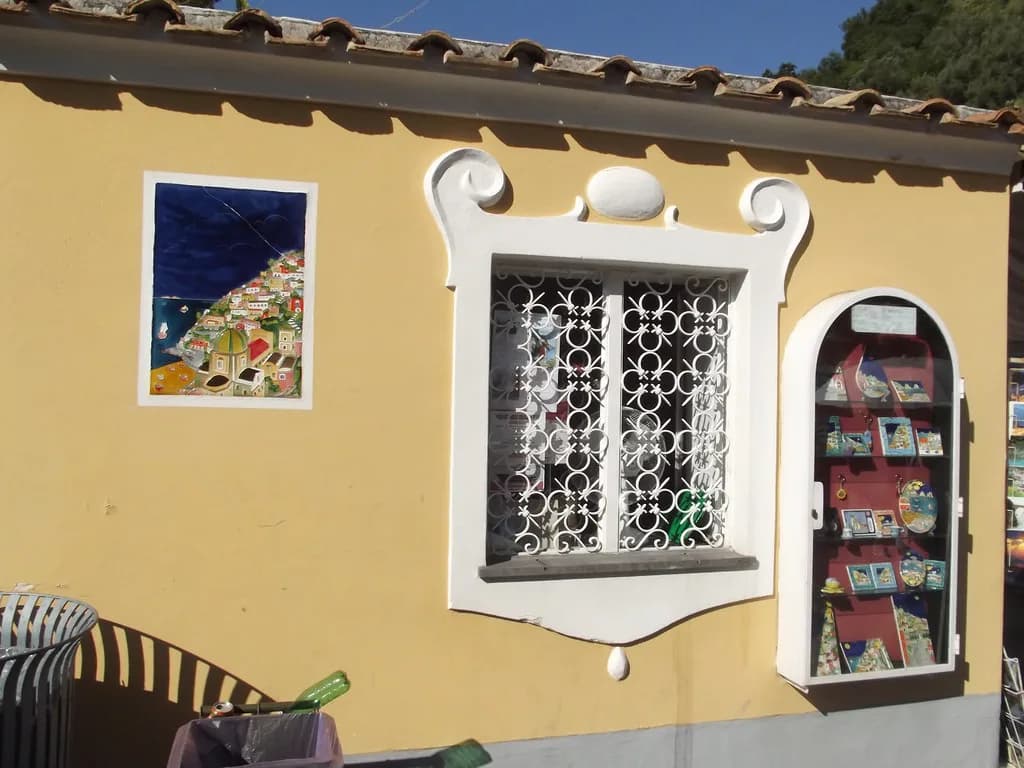
Craft shopping in Positano works best when you stop treating it as a workshop pilgrimage and start treating it as part of an ordinary day in a vertical town. Visitor accounts describe shops carrying hand-painted ceramics, linen clothing and leather shoes, which is a reasonable starting point rather than a directory of studios. The pleasure is in comparing pieces as you walk, not in ticking off a named artisan.
One traveller describes painted plates featuring the town itself or lemons, plus the regret of leaving behind artwork painted on the beach by a local. That detail is worth holding onto: the most interesting object you see may not be in a shop window at all. Browse slowly, and give yourself permission to buy the thing you keep circling back to.
What Visitor Accounts Actually Support
Be honest with yourself about what is documented. The strongest craft detail in circulation is a first-person account of artisan goods such as hand-painted ceramics, linen clothing, painted plates decorated with the town or lemons, and leather shoes, with a suggestion to ask shops to ship purchases home. There is no verified list of Positano ceramic workshops, no published glaze tradition, and no confirmed way to distinguish a local piece from an imported one.
That gap matters because a confident-sounding label is not evidence. Treat any claim that a plate was thrown, glazed or fired in Positano as a question to ask rather than a fact to repeat. If a shopkeeper cannot tell you where a piece was made, that is useful information in itself, and you can decide whether the design still justifies the price for you.
Fitting Craft Browsing Into a Positano Day
The shops sit along the pedestrian lanes that connect the port area with the upper town, so browsing naturally combines with other stops. Palazzo Murat, at via dei Mulini 23, describes itself as 300 metres from Piazza dei Mulini and about four minutes on foot from Spiaggia Grande, with a garden that buffers guests from the surrounding bustle. Use those lanes as your spine and let window-shopping fill the gaps between swims and sightseeing. Related guide: Free Things to Do in Positano.
The church of Santa Maria Assunta, with its green-and-yellow majolica dome, sits just south of Palazzo Murat and anchors the waterfront end of any browsing loop. Pairing a dome visit with a ceramics circuit works because both are compact and central, so you are not adding a separate excursion. It also gives you a benchmark for colour: after the majolica, you will notice quickly which glazes feel considered and which feel generic.
If you want a wider frame for the day, the hidden gems in Positano reward slow walking between errands rather than a checklist. Craft browsing fits that rhythm: a plate bought after two laps of the same lane tends to be the one you still like at home.
Ceramics: What to Look For at the Counter
Start with the object in your hands rather than the story around it. Turn a plate over, check whether the decoration is painted or printed by looking for repeated dot patterns and flat, mechanical edges, and ask whether the piece is food-safe and dishwasher-safe if you intend to use it. A shop that sells functional tableware should be able to answer both without hesitation.
Then ask the origin question directly but politely: where was this made, and by whom? A vague answer is not proof of anything, but a specific answer you can write down is easier to weigh later. Photograph the base, any maker's mark and the shop's business card before you commit, so you have a record if you later want to order a second piece or ask about shipping.
Remember that painted Positano imagery is a design choice, not a certificate of local manufacture. The town and lemon motifs described by visitors are decoration, not provenance. Buy the plate because you want that image on your wall, and treat any additional authenticity claim as a bonus you have verified, not a reason to pay more on the spot.
Linen, Leather and Other Goods
Linen clothing and leather shoes appear in the same visitor accounts as ceramics, and they raise different questions. With linen, feel the weight and check the seams and buttons, because summer clothing is where flimsy construction shows first. With leather, ask about the sole and whether the fit can be adjusted, since a pair bought in a hurry is the classic holiday purchase that stays in the wardrobe. Further visitor details appear in 15 Incredible Things to Do in Positano, Italy.
The word artisan is a marketing term in most holiday towns, so test it against specifics. Ask who made the item, whether it is made in Italy, and whether the shop can put that in writing on the receipt. None of these questions are rude, and a good shop will treat them as normal. If the answers become evasive, you have learned what you needed to know without spending anything.
Edible souvenirs are a genuinely practical alternative when a ceramic feels risky to carry. The Positano local food guide what to eat covers lemony treats and coastal specialities that travel better than fragile tableware. If you are undecided between a plate and a jar, the food is the lower-stakes experiment.
The Honesty Section: Don't Assume Local Origin
There is a strong temptation to believe that anything sold in a pretty coastal town was made there, and very little evidence to support that assumption for ceramics. No source in circulation documents a Positano workshop scene, a signature local glaze or a recognised style. The plausible default is that shops stock a mix of locally decorated and imported pieces, and that only the seller can tell you which is which.
You can still buy well without resolving that question. Decide what matters more: a design you love at a price you accept, or confirmed local production that may be harder to find. If it is the second, budget time rather than money, ask in several shops, and be willing to leave empty-handed. Browsing without buying is a perfectly good outcome in a town this scenic.
Shipping and Carrying Purchases Home
One visitor account suggests asking shops to ship goods home, which is sensible for anything bulky or fragile. Treat that as a conversation to have in the shop rather than a guaranteed service: confirm who arranges the courier, what happens if a piece arrives broken, and whether the shop provides tracking. Get the terms in writing on the receipt before you pay.
If you carry purchases yourself, think about the stairs before you think about the packaging. Positano is a town of steps, and a heavy ceramic box becomes a burden on the walk back to a bus stop or the port. Ask for the piece to be double-boxed with padding, keep it in your hand luggage if you are flying, and check your airline's cabin rules rather than assuming.
For logistics, the port is described as a short downhill walk from the pedestrian centre, with ferries to Amalfi, Capri, Sorrento, Salerno and Naples. That makes a boat departure a gentler exit than a stair-heavy bus stop if you are carrying something fragile. Verify current ferry schedules with the operator on the day rather than relying on any published summary.
A Slow Browsing Route Through the Centre
Time your browsing against the day-tripper tide. Ferries and cruise tenders land crowds near the main beach, and the lanes just above it fill accordingly. A calm version of the day is to browse in the morning before the heaviest arrivals, swim or sit on the free stretch of beach at midday, and return to the shops in late afternoon when the day-trippers are heading back to the port. The free things to do in Positano are largely about timing rather than tickets.
Keep the loop short: waterfront, church, the lanes around via dei Mulini, then back down. If your legs want more, a self-guided walk gives the browsing a shape and stops you doubling back up the same staircases. The aim is a pleasant two or three hours, not a full-day shopping campaign.
If you are staying overnight, where you sleep changes how much you can carry. The Positano neighborhoods guide where to stay helps you pick a base that keeps the climb manageable. Guests in the upper town should plan to shop early in the day, before the walk home gets hot.
Practical Buying Checklist
Before you pay, run through a short list: what the item is made of, where it was made, whether it is food-safe or washable, how it will be packed, and whether shipping is offered and on what terms. Photograph the piece, the base and the receipt. Ask for the shop's contact details in case something arrives damaged.
Leave behind anything you cannot answer questions about, especially high-priced pieces sold with a story but no specifics. Also leave behind oversized items you would have to carry up and down stairs all day. A smaller, well-chosen piece usually survives the trip better and gets used more at home.
Finally, set a budget before you enter the first shop and hold it. Holiday purchases feel cheap in the moment and expensive at the airport, and ceramics are heavy. If a piece is beyond budget, note the shop's details and decide overnight, which is a useful test of whether you actually want it.
Plan Your Browsing Day
Treat Positano's craft shops as part of the town's texture rather than a destination in themselves. Browse the pedestrian centre early, keep the church and the waterfront in the loop, and ask direct questions about origin and shipping. You will come home with fewer things and better ones.
Confirm the practical details in person: packing, shipping terms, care instructions and any authenticity claim. Schedules and shop policies change, and the person behind the counter is the only reliable source on the day. A little patience at the till is what separates a souvenir from a piece you keep for decades.
Frequently Asked Questions
Is it worth buying ceramics in Positano?
It can be, if you buy for the design rather than an assumed local-origin story. Visitor accounts describe hand-painted plates decorated with the town or lemons, and those make attractive, usable souvenirs. Inspect the piece, ask whether it is food-safe and how it will be packed, and set a budget before you shop.
Are Positano ceramics actually made locally?
That is not established. No reliable source documents a Positano workshop tradition or a way to identify locally made ceramics on sight, so shops likely stock a mix of locally decorated and imported pieces. Ask the seller where a specific item was made and treat a vague answer as a reason to keep looking.
Can Positano shops ship purchases home?
Some may, and a visitor account suggests asking about shipping. Confirm the details in the shop: who arranges the courier, what happens if an item arrives damaged, and whether tracking is included. Get the terms on your receipt before paying, and keep the shop's contact details.
How do I avoid overpaying for tourist souvenirs in Positano?
Compare several shops before committing, since the same style of plate or linen shirt appears repeatedly in the pedestrian centre. Ask about materials, construction and origin, and photograph the base and receipt. A design you have seen three times is easier to price fairly than an impulse buy on the first lane.
Where in Positano can I browse craft shops on foot?
The pedestrian lanes around via dei Mulini and Piazza dei Mulini put you among the shops, with Spiaggia Grande and the church nearby. Palazzo Murat describes itself as about 300 metres from Piazza dei Mulini and roughly four minutes from the main beach, which gives you a sense of the scale.
When is the calmest time to shop in Positano?
Mornings before the ferry crowds build, and late afternoons after day-trippers head back to the port, tend to feel easier. Midday is better spent swimming or resting. This is a timing suggestion rather than a guarantee, so adjust to what you see on the day.
Should I buy linen or leather instead of ceramics?
Both appear in visitor accounts of Positano shops and both are easier to carry than fragile tableware. Check seams and buttons on linen, and ask about soles and fit on leather shoes. If luggage space is tight, clothing or a small edible souvenir is the more practical choice.
Sources
Continue exploring
More guides you'll find useful





