
Best Time to Visit Perugia to Avoid Crowds
Weigh Perugia's seasons, festival weeks and free versus ticketed sights so your visit stays calm. Practical timing and crowd advice for 2026.
On this page
Perugia is a working regional capital with a large student population, so its busiest moments come from term dates and events as much as from tourism. A suggested half-day walking route covering the Rocca Paolina, Corso Vannucci, Piazza IV Novembre and Porta Sole takes about two and a half hours, per one local guide's suggestion, and is best started early if you want breathing room.
This guide weighs seasons honestly, separates free public spaces from ticketed interiors, and suggests where to put your hours so a packed piazza does not define the day. Nothing here promises an empty city.
Why Perugia Feels Manageable Most of the Year
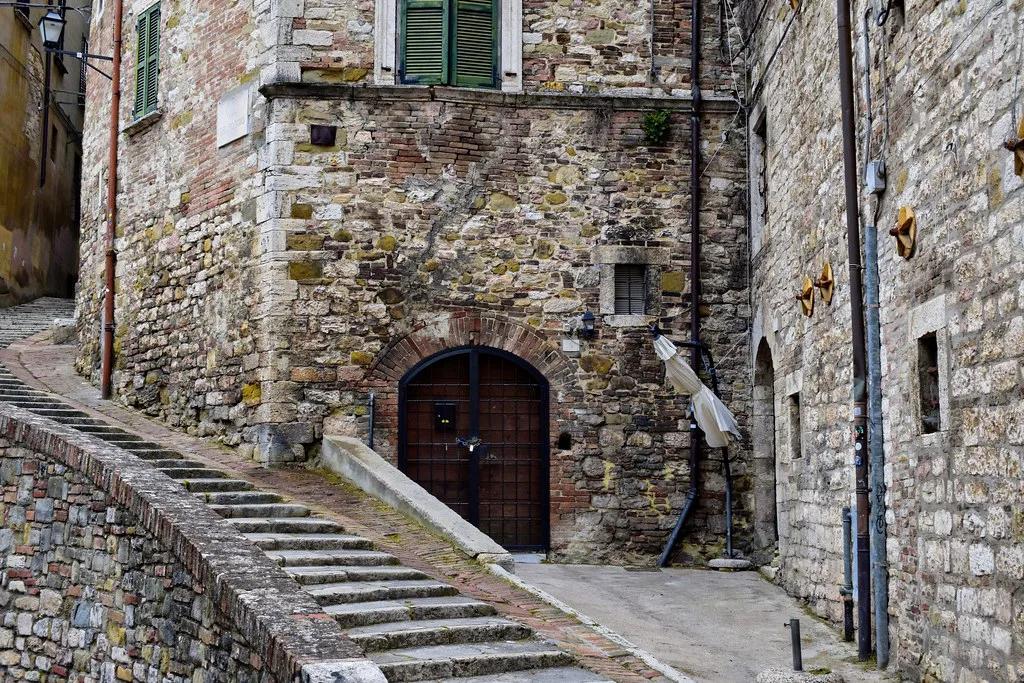
Perugia is a hilltop city of layered Etruscan, medieval and Renaissance streets where much of the appeal is simply walking. That means crowds concentrate in a few corridors, above all Piazza IV Novembre and Corso Vannucci, and thin out quickly once you turn into side lanes or climb toward the viewpoints. Planning a route that dips away from the main spine is more useful than chasing a mythical empty month.
The writer of one travel guide described Perugia as a place where restaurants are tucked down stone alleyways and shortcuts feel like passageways, a useful reminder that the city rewards slow wandering. For a menu of specific sights, the Perugia Attractions hub is a sensible companion.
Spring: Best Walking Weather, but Watch the Calendar
Moderate temperatures make spring the kindest season for Perugia's staircases and slopes, and clear light flatters the views over the Umbrian hills. The caveat is the calendar: Easter week and Italian public-holiday weekends can tighten accommodation and fill the main square. Use spring for outdoor layers such as the medieval aqueduct walkway and the belvederes, and keep the big ticketed interiors for weekday mornings.
One travel account notes that Porta Sole is a popular sunset spot where people bring drinks to sit on the steps, which is exactly the kind of local habit that makes a spring evening feel busy but pleasant. Arrive earlier if you want the viewpoint to yourself.
Summer: Festival Energy or Quieter Edges
Summer splits Perugia into two cities. Umbria Jazz is the city's signature event and turns the area around Corso Vannucci into a cultural hub, according to one travel guide. If you want that atmosphere, summer is the reason to come. If you want quieter streets, check the festival's official dates before booking, because a single event can transform the centre. The summer heat also makes early mornings and late afternoons the comfortable slots, with the middle of the day better spent underground or in a gallery.
Autumn: Shoulder-Season Comfort and Chocolate Season
Autumn is often the sweet spot: cooler walking weather, harvest food and a centre that settles back into its university rhythm. The complication is Eurochocolate, the city's chocolate fair, which can fill central streets around the event period. Check the organiser's published dates if quiet is the goal. Rain becomes more likely as the season advances. One travel source gives an October daily maximum of about 17.4°C with roughly 94mm of monthly rainfall for Perugia, so pack a waterproof and keep an indoor anchor, such as the National Gallery of Umbria, in reserve.
Winter: Fewest Visitors, Shorter Hours
Winter brings the fewest visitors, plus Christmas market stalls that appeared along the main street in past seasons. The trade-off is cold, damp weather and the risk of reduced opening hours at smaller sights. Always verify a site's current timetable before building a day around it. Focus on museums, churches and the underground Rocca Paolina route, and keep outdoor time short. The free public passage through the Rocca is entered from Porta Marzia between 7am and 8pm, with escalators from Piazza Partigiani running from 6:15am to 2am, according to details checked in September 2026.
Rain and Temperature as a Planning Baseline
Published climate averages are a starting point, not a forecast. The October figures above tell you to expect changeable skies and to choose clothing accordingly. Historical averages cannot predict a given week, so check a short-range forecast a few days before arrival. Build each day around one anchor sight and keep a wet-weather alternative, such as the underground route through the Rocca Paolina, in reserve.
Festival Calendar Strategy Before You Book
Fix your travel window, then check whether it collides with Umbria Jazz or Eurochocolate. Both transform the centre in different ways and are worth attending on purpose. The mistake is discovering the clash after booking and resenting crowds you did not plan for. Verify dates on the official festival sites and the city's tourism channels rather than aggregator pages, which can lag. If you want the quieter version, book the week before or after the event window and confirm that museums and restaurants are operating normally in that gap.
Time-of-Day Tactics That Beat the Season
The evening passeggiata on Corso Vannucci is a crowd in the best sense: locals and students taking the air, not tour groups. Join it late, after day visitors have gone, and the same street that felt tight at noon becomes the city's living room. Weekday mornings are the reliable slot for ticketed interiors. One travel guide notes that the National Gallery of Umbria closes on Mondays from November to the end of June, with different peak-season hours, so check the gallery's own site before locking in a day.
Free Versus Ticketed: Building a Low-Crowd Itinerary
Some of Perugia's best experiences cost nothing. The Fontana Maggiore stands in Piazza IV Novembre, and the cathedral is free to visit, though worshippers take priority during services. The Rocca Paolina is a free public route through buried medieval streets. One travel guide describes it as a standard commuter route between Piazza Italia and Piazza Partigiani, which makes it a low-cost, low-commitment way to spend a hot or rainy hour.
Ticketed interiors work differently. The Etruscan Well is visited through the Casa Museo di Palazzo Sorbello on a combined ticket covering both, according to a guide that checked details in September 2026; tickets are not sold at the well itself. Prices change, so confirm current rates and opening times on the museum's own pages rather than trusting a blog figure. The National Gallery of Umbria, housed in Palazzo dei Priori, is the city's flagship paid collection, and sources disagree on current entry charges and seasonal hours, so treat any figure as indicative.
Where to Base Yourself in the Upper Town
Staying in the upper town, within reach of Piazza IV Novembre and Corso Vannucci, removes the daily climb and puts you in the quietest hours of the city: early morning and late evening. The trade-off is cost and availability during festival weeks, when central rooms tighten first. If you stay lower down, the escalator network becomes part of your itinerary, carrying you from the station and car parks into the historic centre. Choose accommodation near an escalator entrance rather than at the bottom of a long staircase.
A Quieter Two-Day Plan
Day one: start early at the Etruscan Well, then walk the short distance to Piazza IV Novembre for the Fontana Maggiore before the square fills. Spend the middle of the day underground in the Rocca Paolina, and finish with the evening passeggiata and a view from Porta Sole, among the city's finest belvederes. For more overlooked corners, see our hidden gems in Perugia guide.
Day two: give the morning to the National Gallery of Umbria or the cathedral, depending on whether you want art or atmosphere. In the afternoon, walk a stretch of the medieval aqueduct and its quieter lanes. If you have a full day to spare, Assisi is an easy pairing: one guide lists it as 19.08 km from Perugia, though it deserves its own half day rather than a rushed detour.
Logistics: Escalators, Driving Limits and Church Etiquette
Drivers should expect limited-traffic zones in the historic centre and plan to park outside and continue on foot or by escalator. Inside churches, cover shoulders and knees, remove hats, and step aside during services, since active parishes prioritise worshippers over sightseeing. One travel account notes that Mass at the cathedral is held daily at 8am, 11am and 6pm, with 8.30am on Sundays, so plan visits to avoid the hour after services.
Plan Your Visit
The best time to visit Perugia to avoid crowds depends on what you trade. Late autumn and winter weekdays win on space, spring and early autumn win on comfort, and summer wins only if you want the festival. Check festival dates and site hours before booking, then design your days around early mornings and free public spaces.
Whatever season you choose, verify current prices and timetables on official sites shortly before travelling, since details change. With a modest plan and a flexible afternoon, Perugia's quieter side is easy to find.
Frequently Asked Questions
When is Perugia least crowded?
Late autumn and winter weekdays generally see the fewest visitors, though the weather is colder and wetter and some smaller sights run shorter hours. Spring and early autumn are comfortable but can tighten around Easter and public-holiday weekends. No week is guaranteed quiet, so check the festival calendar first.
Is it worth visiting Perugia in winter?
Yes, if you accept cold, damp weather and check opening times carefully. Winter has the fewest visitors and a cosy Christmas market atmosphere in past seasons. Focus on museums, churches and the underground Rocca Paolina route, and keep outdoor time short.
How do Umbria Jazz and Eurochocolate affect crowds?
Both events transform the centre and can fill the streets around Corso Vannucci and Piazza IV Novembre. Confirm the official dates before booking: attend deliberately if you want the festival energy, or choose a week outside the event window if you want quieter streets.
What is the weather like in Perugia by season?
Published averages give an October daily maximum of roughly 17.4°C with about 94mm of rain for Perugia, suggesting changeable autumn conditions. Treat such figures as historical baselines, not forecasts, and check a short-range forecast before you travel.
What can I do in Perugia for free?
The Rocca Paolina is a free public route through the buried fortress foundations, the Fontana Maggiore can be admired in the square, and the cathedral is generally free to enter outside services. Ticketed interiors such as the Etruscan Well and National Gallery are separate and should be checked individually.
Should I stay overnight or visit as a day trip?
Staying overnight lets you experience the quiet early mornings and evening passeggiata after day visitors leave. A day trip works if time is short, but you will spend more of it in the busiest middle hours and miss the city's calmer rhythms.
Sources
Continue exploring
More guides you'll find useful





