
Modena Markets Guide: Albinelli Hall and What Locals Buy
Plan a food-focused visit to Mercato Albinelli in Modena: what the stalls sell, what to buy, and how browsing the hall differs from eating inside it.
On this page
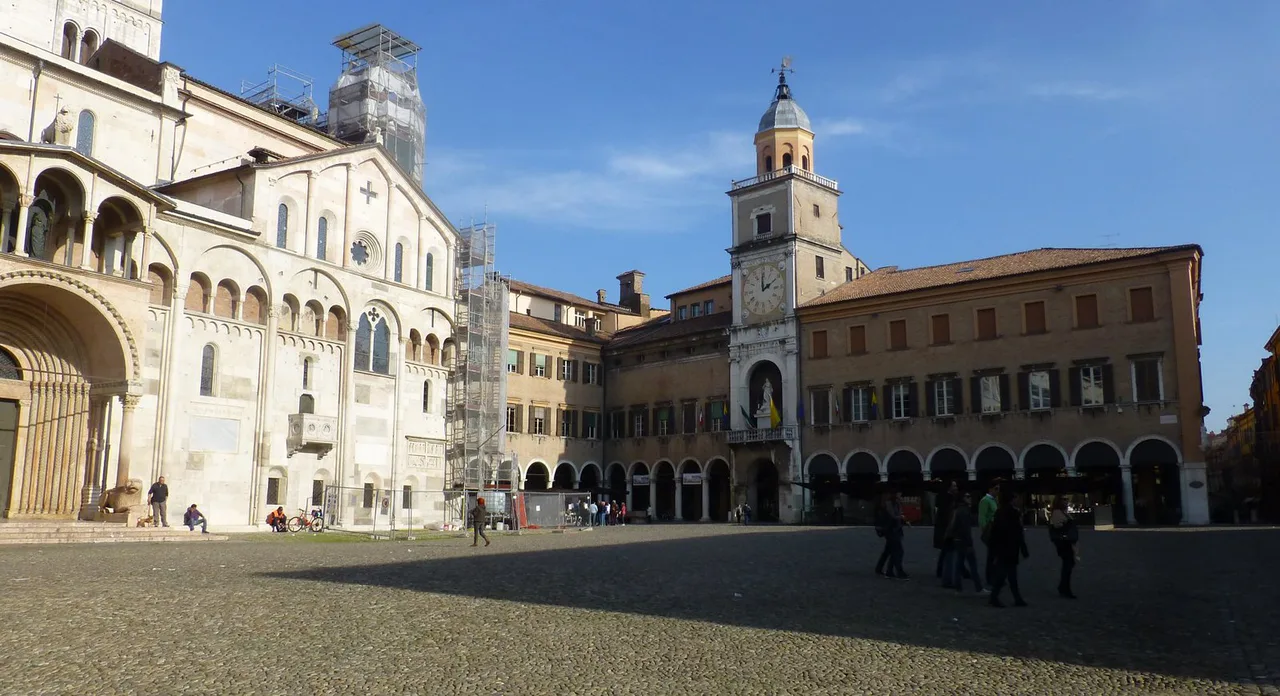
Mercato Albinelli sits in Modena's historic centre, a short walk from the Cathedral and the Ghirlandina tower, which makes it easy to fold into a single morning rather than treat as a separate excursion. A market visit here has two distinct rhythms: shopping the stalls and sitting down to eat, and knowing which one you want shapes your timing. This guide covers the covered hall honestly, including what the sources report, what the market itself should confirm, and where the guide stops deliberately.
The wider province is unusually rich in protected food products, and the official tourism site frames Modena as a destination for exactly that reason. That context matters because a market breakfast is often the simplest way to taste several of those products in one place without booking a tour.
What Mercato Albinelli Is and Where It Sits
The hall is known formally as Mercato Storico Albinelli and stands at Via Luigi Albinelli 13 in Modena's old town. According to one visitor guide, the city moved its open-air food trade off Piazza Grande and under one roof in 1931, so treat that founding year as the source's account rather than an official plaque. The building is Art Nouveau, with visible ironwork overhead and a central fountain topped by Giuseppe Graziosi's "Fruit Bearer" statue, details the same source describes.
Because the market sits inside the pedestrian core, the practical plan is to walk rather than drive between sights. Pair it with the Cathedral and the Ghirlandina tower, both roughly five minutes away on foot according to the same guide, and you have a compact loop that needs no transport planning. For other corners of the centre worth adding to that loop, the guide to hidden gems in Modena is a reasonable place to extend the walk.
The official city portal is where you confirm that the market is trading as expected on your dates, including any notice that affects the historic centre. It does not publish a stall-by-stall visitor schedule, so use it for civic notices and the market's own site for trading details.
What to Buy, Stall by Stall
Start with Parmigiano Reggiano and make the purchase a decision rather than an impulse. The visitor guide's advice is to ask for a piece cut from a wheel aged at least 24 months by a mountain producer and to taste before deciding how much to take, which is a reasonable way to avoid buying more than you can carry. Vacuum-sealed wedges travel far better than a fresh cut if you still have days of walking ahead.
Fresh pasta is the other obvious purchase: tortellini sold by weight, ready to cook in meat broth, plus tagliatelle for ragù and green lasagne. Buy pasta on your last day or from a vendor who will pack it for travel, since soft filled pasta is not a souvenir that survives a long afternoon in a warm bag. Around it, look for tigelle, the soft flatbreads split and filled with cured meat and cunza, a lardo, garlic and rosemary spread.
For cured meat, the guide points to Prosciutto di Modena as less famous than Parma's but comparable in quality, which is a useful steer if you want something regional rather than the name you already know. Lambrusco, a sparkling red drier than many visitors expect, is the wine the same source says to order with lunch. Seasonal produce shifts through the year, from tomatoes and zucchini flowers in summer to porcini and radicchio in autumn, largely from farms within an hour of the city.
The Balsamic Buyer's Caution
Traditional Balsamic Vinegar is the purchase most likely to go wrong, so slow down here. The visitor guide makes the distinction plainly: the real article is aged in a series of wooden barrels and sold in a small teardrop bottle, and if a "balsamic" is cheap, it is not that product. That is a useful rule of thumb when a shelf mixes several categories of vinegar under one familiar word.
If vinegar is a priority rather than an afterthought, the official tourism site lists the Museo del Balsamico Tradizionale in Spilamberto as the place to understand how the product is made. Treat the market as a place to buy a bottle you have already decided on, and the museum as where you learn to read a label. That split keeps you from overpaying for the wrong bottle on a hungry morning.
Browse Versus Eat: Two Different Visits
Browsing the stalls and eating inside the hall run on separate clocks, and confusing them is the most common planning mistake. The visitor guide reports stall trading Monday to Saturday from 7am to 3pm, with Saturdays extending to 7pm from mid-September to the end of May, while restaurants inside serve every day from 11am to 3pm and again from 6:30pm to 10:30pm, Sundays included. Those are the source's reported times, not official rules, so confirm on mercatoalbinelli.it before you build a day around them.
In practice that means a morning visit is for shopping and standing at a counter, while an evening visit is for dinner even when the stalls are shut. If you want both the produce and a proper meal, plan a weekday morning browse and a separate evening return rather than trying to compress everything into one stop. A market browse is also free to wander; nothing in the sources describes an admission charge for entering the hall.
Eating Inside the Hall
The in-market food is not one style, so pick according to how long you want to sit. Bar Schiavoni, described as the tiny bar attached to the market, is known for a panino with cotechino and green sauce and a short sandwich list that changes daily, with a lunchtime queue that grows on Saturdays. That is a standing-room stop, not a lingering lunch.
For a sit-down board, Antica Bottega serves tigelle with a tagliere of local cured meats and cheese, and a glass of Lambrusco makes it the most Modenese lunch in the building according to the same guide. MozzaBella handles the pizza-by-the-slice option, and the guide singles out torta Barozzi, a dense chocolate cake found in Modena, as the thing to save room for.
None of these are endorsements from the market operator, so treat them as one source's recommendations and read the room yourself. Since the restaurants keep hours independent of the stalls, a Sunday or an evening meal inside is possible even when the produce counters are closed.
Nearby Tables Worth Knowing About
Trattoria Aldina, across from the market up a flight of stairs, is the neighbourhood-style option, and the guide notes there are no reservations, so arriving early is a strategy rather than a booking task. Order the tortellini in brodo and the tagliatelle al ragù if you want the classic pair. If you would rather plan around certainty, choose a place that takes bookings instead of queueing.
At the other end, Osteria Francescana is the reason some people plan an entire trip around Modena, and the guide is explicit that booking runs weeks and sometimes months ahead. That lead time is a real constraint, not a formality, so decide early whether fine dining is part of the trip. For something modern but less sought-after, the guide also mentions L'Erba del Re and, for a historic trattoria, Ristorante da Danilo.
Timing Your Visit
If you want the market at its most everyday, go on a weekday before 10am, when the guide says you will see more locals with shopping bags than visitors with cameras. Saturday mornings instead bring the sandwich queue and more company, which suits people-watching but not a quick purchase. The Saturday extension to 7pm applies only from mid-September to the end of May, so a summer Saturday closes at the normal afternoon time under the reported pattern.
Seasonal windows matter too: the guide says the market adds extra stalls and events around Christmas and during the autumn harvest, which is worth timing a trip around if your dates are flexible. It also directs readers to the calendar on mercatoalbinelli.it, which is the correct place to verify dates rather than relying on a blog. Holiday closures belong to that same check, not to guesswork.
What This Guide Does Not Cover
Modena's weekly open-air street markets, their days and their piazzas are not covered here, because the available sources do not verify them. Rather than guess at a schedule, ask the tourist office or check the city's event listings for the week you are in town. That is also the honest answer if you arrived hoping for a Sunday street market: confirm locally instead of trusting a generic list.
Accessibility details, transport routes and security arrangements for the market are similarly unverified here, so contact the market or the city directly if any of those decide your visit. The official city portal is the right starting point for civic information of that kind.
Where the Market Fits in a Wider Food Trip
Albinelli works best as the first stop of a longer food itinerary rather than the whole of it. The official tourism site suggests visiting a cheese dairy to see how Parmigiano-Reggiano is made, touring a winery, looking at a ham producer, or spending time at a traditional balsamic vinegar farm. Those visits need their own arrangements, and none of them share a single ticket or opening pattern with the market.
It also lists cooking courses where you can try knotting tortellini by hand, and itineraries that follow balsamic vinegar from vineyard to table. Use the market to taste before you commit to a course or a farm visit, then book the deeper experience for a later day. Browse the Modena Attractions hub if you want to balance food stops with the rest of the city.
Plan Your Market Morning
Treat Mercato Albinelli as two places in one building: a morning produce hall for Parmigiano, pasta, tigelle and a bottle of traditional balsamic, and a separate eating destination that serves into the evening. Decide which you want before you set out, and the timing question solves itself.
Confirm trading hours and holiday closures on the market's own site before you travel, since the reported times come from a secondary source. Then build the rest of the day around the Cathedral and the Ghirlandina, both a short walk away.
Frequently Asked Questions
Is Mercato Albinelli open on Sundays?
One visitor guide reports that the restaurants inside the hall serve every day, Sundays included, while the market stalls trade Monday to Saturday. Because those are reported times rather than official rules, check the market's own website for the Sunday you plan to visit before relying on it.
Can you eat a full meal inside the market?
Yes. The hall has several eating options, from a sandwich bar to sit-down boards of tigelle with cured meats and cheese, plus pizza by the slice. The restaurants keep their own hours, separate from the stalls, and are reported to serve both midday and evening.
What should a first-time visitor buy at the market?
Start with a tasted piece of Parmigiano Reggiano aged at least 24 months, then add fresh tortellini or tagliatelle, tigelle, and a regional cured meat such as Prosciutto di Modena. For traditional balsamic vinegar, look for the small teardrop bottle and expect it to be a considered purchase rather than a cheap one.
Do I need tickets to visit the market?
Nothing in the available sources describes an admission fee or ticket for entering the hall. You pay vendors for what you buy, and any events or tastings may have their own arrangements, which the market's calendar should clarify.
When is the quietest time to shop the stalls?
A weekday morning before 10am is reported to be when the hall feels most like everyday shopping rather than sightseeing. Saturdays bring longer queues at the lunch counters, so choose a weekday if a calm browse matters more than atmosphere.
Is the market the same as Modena's street markets?
No. This guide covers the covered Albinelli hall only. Modena also has open-air street markets, but their days and piazzas are not verified in the sources used here, so confirm them with the tourist office or city listings.
Sources
Continue exploring
More guides you'll find useful





