
Modena Food Guide: Traditional Balsamic Vinegar and What to Eat
Slow food in Modena: how traditional balsamic PDO is used, the family batteria tradition, and the bookable Acetaia Comunale visit in the Palazzo Comunale.
On this page
Modena rewards travellers who slow down, and food is the quickest route into that rhythm. The city's most distinctive table tradition is Traditional Balsamic Vinegar of Modena PDO, a dense, aged condiment treated as a finishing touch rather than a cooking liquid. This guide concentrates on decisions: how to use it, what to avoid, and which visits are worth booking.
One concrete way to anchor a food day is the guided visit to the Acetaia Comunale inside the Palazzo Comunale, which the official tourism site lists at 5 euros on Friday, Saturday and Sunday. Treat that as a published listing rather than a guarantee, and confirm the current slot when you book, because civic visit schedules change with the season.
Why Modena Is a Food City
Modena's food reputation rests on craft and patience rather than spectacle. The province is associated with aged cheeses, cured pork and Lambrusco, and the vinegar tradition sits alongside those as a family-scale practice. The official tourism site presents food and wine experiences as bookable activities, so a tasting can be planned much like a museum visit.
For a first visit, resist chasing a single "best" address. Build the day around one focused tasting and let the rest of the itinerary breathe, pairing it with the cathedral square and the tower rather than squeezing three food stops into an afternoon. A city centre this compact rewards walking rather than rushing.
What Traditional Balsamic Vinegar of Modena Actually Is
Traditional Balsamic Vinegar of Modena PDO is not the thin, sharp liquid most visitors know from supermarket shelves. It is a dense, aromatic product made from cooked grape must and matured through long ageing, which is why producers describe it as an ingredient capable of transforming a dish. The PDO letters mark a protected product tied to this specific tradition.
Because the product is concentrated, a bottle behaves more like a seasoning than a dressing. Its aromatic complexity is the stated reason it can stretch across sweet and savoury courses, from cheese to dessert. That versatility is the practical takeaway: one bottle can serve an entire meal if used sparingly.
A useful habit is to taste before buying, especially if you plan to carry a bottle home. Comparing younger and older styles tells you which intensity suits your cooking far better than label design does. Ask the host which ages are being poured so you understand what is in the glass.
How to Use It: Raw, a Few Drops, and the Right Pairings
The clearest rule is to use traditional balsamic raw. Heat alters its aromatic properties, so it belongs on food that is already cooked, or on ingredients served as they are. That single decision separates a good plate from a wasted pour.
Pairing works best when the vinegar has something rich or sweet to cut against. Producers suggest aged cheeses such as Parmigiano Reggiano or pecorino, grilled red meat, beef carpaccio, and even tuna or salmon. On the vegetable side, bitter leaves, asparagus, tomatoes and grilled vegetables all take a few drops well.
Dessert is where the tradition surprises visitors. Strawberries, peaches, pears, vanilla ice cream and panna cotta are named as natural partners, so a small drizzle can close a meal instead of a separate dessert order. If you are unsure how much to use, start with less than you think and taste before adding more.
Mistakes to Avoid
Three habits undermine the experience, and all are easy to correct. Do not cook with it, do not treat it like an everyday dressing, and do not blend it with common vinegars, because dilution hides the complexity you are paying for. Producers present these as the main errors to avoid.
Portion discipline matters more than technique. A few drops are enough to change a dish, and pouring freely wastes an expensive product while flattening the flavour. Serve it from a small spoon or dropper at the table so guests control their own amount.
Storage deserves the same care as service. Keep the bottle in a cool, dry place away from heat sources and direct light, and taste a small amount before deploying it on an important dish. A ceramic spoon, as producers suggest, is the traditional way to taste it neat.
The Batteria Tradition: Barrels, Births and Dowries
In Modena the barrels are not just equipment; they carry family history. It was customary to start a batteria, a set of barrels for vinegar production, at the birth of a daughter, and the vinegar would mature over the years. When she married, the set became part of her dowry, a symbol of prosperity, care and continuity.
Some Modenese families still keep this practice, which helps explain why the vinegar is discussed with the language of inheritance rather than commerce. On a small-producer visit, the barrel room is often the most evocative stop. Understanding the batteria tradition turns a tasting into a lesson in local family life.
Free Versus Paid Tastings and Visits
Not every food stop in Modena carries the same cost, and mixing them up leads to disappointment. Some civic spaces are free to enter while specific experiences inside are ticketed, so read each listing carefully instead of assuming one ticket covers everything. The Acetaia Comunale visit is listed on the official tourism site at 5 euros on Friday, Saturday and Sunday, separate from other city visits.
A simple shop tasting is often shorter and more casual than a guided visit, and it may not need a booking. Travellers on one travel forum describe visiting a family acetaia and seeing the actual barrel batteries with an explanation of the ageing process, though that is anecdotal and not a confirmed current offer. Decide which format fits your day, then confirm details with the organiser.
If you want a small family-run visit outside the city, expect to arrange it directly. The same forum thread asks about December availability and getting to countryside producers by car, but the replies contain no verified dates or confirmed bookings. Use such threads as prompts for your own enquiries rather than as schedules.
A Concrete Bookable Anchor: the Acetaia Comunale
The Acetaia Comunale sits inside the Palazzo Comunale, in the same building complex as the historic rooms of the city government. The official tourism site lists a guided visit there at 5 euros, offered Friday, Saturday and Sunday, aimed at introducing Traditional Balsamic Vinegar of Modena in the town hall's own acetaia. Book the slot you want and re-check the listing before travelling.
The same site lists the historic rooms of the Palazzo Comunale as free from Monday to Saturday, with a charge on Sunday, and a separate booking for the Torre Ghirlandina at 6 euros. These are distinct products, so do not assume one purchase admits you to all three. Build the day from the pieces you actually want.
Building a Food-Focused Day Around the City Tour
A sensible shape for the day is a morning city walk, a vinegar tasting around midday, and the tower or cathedral in the afternoon. The official tourism site lists a weekend city tour at 12 euros, with versions for families and a slower accessible format, all bookable online. Confirm the current schedule when you book.
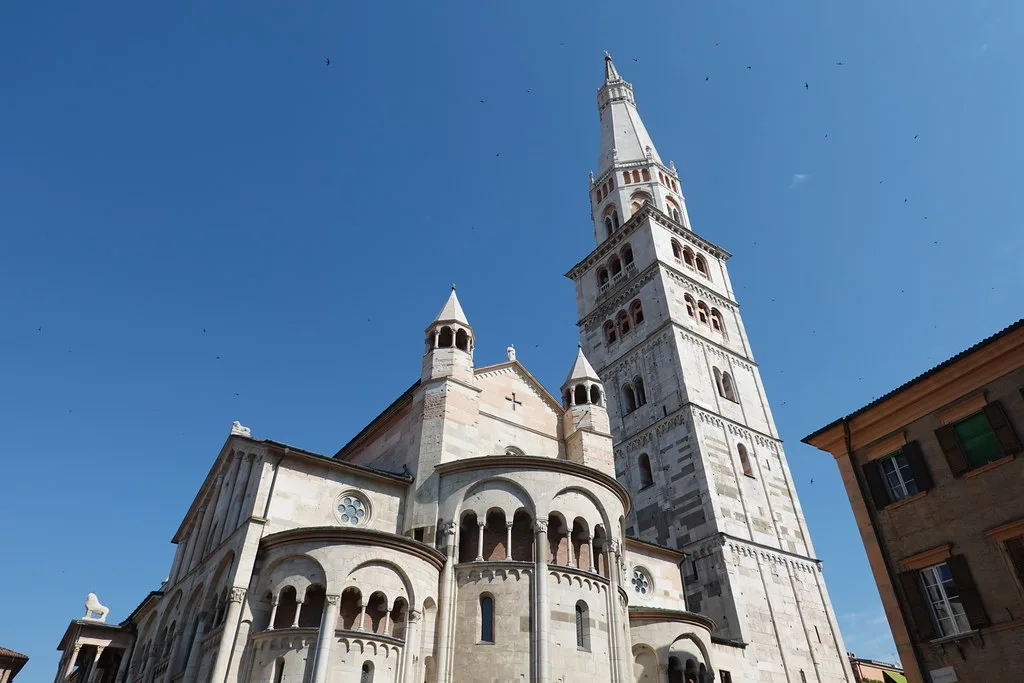
The tower visit pairs naturally with the UNESCO site of Piazza Grande, the Duomo and the Ghirlandina, which the tourism site describes as the heart of the historic centre. Even if you skip the paid interiors, walking the square gives context to everything you taste later.
Keep the food portion of the day deliberately small. One tasting plus a proper lunch is more memorable than three rushed visits, and it leaves room for the unplanned stop that often becomes the highlight. If you add a countryside acetaia, drop something else rather than compressing everything.
Traditional Dishes to Look For on Menus
Beyond vinegar, Modena's table is associated with filled pasta in broth, with the fried dough known as gnocco fritto or crescentine served alongside cured meats, and with the spiced pork products cotechino and zampone. These are named here as dishes to look for on menus, not as endorsements of specific kitchens. Ask staff what is made in house and let the answer guide your order.
Lambrusco is the local wine most often named alongside these dishes, and the tourism site promotes food and wine experiences as bookable activities. For a structured introduction, a guided tasting beats guessing from a wine list. Otherwise ask for a dry style and let the meal set the pace.
Buying and Label Literacy
When you shop, look for the words Traditional Balsamic Vinegar of Modena PDO, because the protected designation is what distinguishes the aged product from everyday condiments. Producers stress that its quality deserves to be enjoyed pure, without mixing it with common vinegars.
Check what the label says about ageing, since style and intensity vary and price follows maturity. Buy from a shop or producer whose staff will answer questions, and request a taste before committing to a larger bottle. Beyond the label, use the tasting to make the final call.
Practical Planning for a Tasting
Book vinegar visits in advance, especially for small family acetaie with limited tour times, and treat any quoted fee as a listing to confirm. The official tourism site publishes contact details for the tourist information office, the right place to ask about current schedules, group formats and visitor options.
Set aside a realistic amount of time. A shop tasting can be a short stop during a city walk, while a guided acetaia visit with a barrel-room explanation rewards an hour or more. Ask the organiser how long the visit runs and whether tasting is included before you pay, rather than assuming either.
If a countryside stop is part of the plan, confirm the producer welcomes visitors on your date and work out how you will get there, since rural acetaie rarely sit beside convenient transit. The forum thread on this topic raises useful questions but contains no verified availability, so use it to shape your own enquiries.
Where to Go Next
The official tourism site is the best starting point for events, itineraries and bookable experiences across the province, including Motor Valley museums, food producers and outdoor routes. Use it to check dates rather than relying on older listings, and browse by season to see which experiences suit your trip.
If you want more of Modena beyond the table, start with our guide to hidden gems in Modena for quieter corners, then use Modena Attractions to choose between the cathedral complex, the tower and the city's museums. Together they help you balance a food-led day with the sights that give it context.
Plan Your Visit
Modena rewards a restrained approach to its most famous product: taste it raw, use a few drops, and let a single good visit teach you more than a shelf of bottles. Pair that with the square, the tower and an unhurried lunch, and the day holds together.
Before travelling, confirm every booked visit on the official tourism site and ask the organiser directly about timing, group size and what the fee includes. Listings shift with the season, and a quick check is the difference between a smooth day and a wasted morning.
Frequently Asked Questions
What makes Traditional Balsamic Vinegar of Modena PDO different from supermarket balsamic?
The PDO product is a dense, aromatic condiment made from cooked grape must and matured through long ageing, so it is used in drops as a seasoning rather than poured as a dressing. Supermarket balsamic is a different, thinner category. Look for the PDO wording when you want the traditional product.
Should you cook with traditional balsamic vinegar of Modena?
Producers advise using it raw, because heat alters its aromatic properties. Add it at the table or after cooking, on grilled meat, cheese, vegetables or dessert, so the aroma survives. Cooking it wastes both the product and the years of ageing behind it.
What foods does traditional balsamic vinegar pair with?
It works with aged cheeses such as Parmigiano Reggiano or pecorino, grilled red meat, beef carpaccio, tuna or salmon, and vegetables including bitter leaves, asparagus and tomatoes. On the sweet side, strawberries, peaches, pears, vanilla ice cream and panna cotta are named partners. Start with a few drops and taste before adding more.
What is a batteria and why does it matter in Modena?
A batteria is a set of barrels used to make traditional balsamic vinegar. In Modena it was customary to start one at the birth of a daughter, and the matured set became part of her dowry when she married. Some families still keep the practice, which is why the vinegar is often discussed as an inheritance rather than a commercial product.
Can you visit the Acetaia Comunale in Modena?
The official tourism site lists a guided visit to the Acetaia Comunale in the Palazzo Comunale, and booking is the safest approach because slots are limited. Check the current listing for days and fees before you travel, since it is sold separately from the Palazzo's historic rooms and the Torre Ghirlandina.
How much time should you allow for a balsamic tasting in Modena?
As a suggestion, a simple shop tasting can fit into a short break during a city walk, while a guided acetaia visit with a barrel-room explanation deserves an hour or more. Ask the organiser how long the visit runs and whether tasting is included before booking, then leave the rest of the day light.
What traditional dishes should you look for in Modena?
Look for filled pasta in broth, fried dough served with cured meats, and the spiced pork products cotechino and zampone, alongside Lambrusco. These are menu items to seek out rather than endorsements of particular restaurants, so ask staff what is made in house. Finish with a few drops of traditional balsamic on cheese.
Sources
Continue exploring
More guides you'll find useful





