
Alghero Viewpoints Guide: Sea Walls, Towers and Capo Caccia
Plan Alghero's views by cost and effort: free bastion walks and seafront, tower lookouts in the old town, and the cliff-and-steps trade-off at Capo Caccia.
On this page
Alghero gives away its best views cheaply: a continuous circuit of sea walls rings the old town, and the seafront promenade keeps going north without a ticket booth in sight. The moment you head for Capo Caccia, the equation changes, because the cliff panoramas sit above a long stepped descent and a separately ticketed cave.
The official cave site describes two approaches, one by land and one by sea, which is the most useful single fact for planning a viewpoint day: you can enjoy the cliffs without entering the cave at all.
This guide sorts the options by decision rather than by ranking, so you can pick a free evening walk, a tower frame, or a half-day drive by matching each spot to your energy and the light.
How to Choose a Viewpoint: Cost, Steps and Light
Three questions settle most of the planning. Is the view free to walk or does it sit behind a ticket? Is the ground flat or stepped, and how far back up must you climb? And are you chasing morning light on an exposed cliff or evening light on the west-facing sea walls?
The bastions and promenade cost nothing and involve no stairs unless you choose them, which makes them the dependable option on a short stay or a blustery afternoon. The Capo Caccia cliffs demand a drive and, if you take the staircase, a sustained climb back up.
Treat the cave as a separate purchase from the journey to it. The official ticket page states plainly that cave entry does not include the boat fare or the shuttle bus fare, so budget them as two decisions rather than one package.
The Bastions and Sea Walls: Alghero's Free, Flat Circuit
The fortified waterfront is the city's signature viewpoint, and you can walk it from Porta a Mare round to Piazza Sulis, following the ramparts that face the sea. It is free and level, which is why it works as a first orientation walk after you drop your bags. For wider planning, see Hidden Gems in Alghero.
This is the stretch that suits golden hour, with the light falling across the water toward the open sea beyond the harbour. Restaurants and bars spill onto the bastions in the evening, so the walk doubles as an aperitivo route rather than a separate outing.
No source establishes opening hours for walking the walls, and they function as public streets rather than a ticketed monument, so plan around daylight and weather rather than a schedule. Cobbles are uneven, so closed shoes beat sandals if you intend to cover the full circuit.
Named Towers: What Each One Frames
Torre del Portal, also called Porta Terra, is the surviving landward gate tower and the natural start of a loop from Piazza Porta Terra into the alleys. It frames the approach from the modern city into the walled centre rather than a coastal panorama, so treat it as an orientation stop on the way in.
Torre di Sulis marks one end of the old town's defensive line, and the walk past it reads as a full stop to the bastion circuit. Torre di Sant'Elmo stands near the harbour approach and works as an orientation point, while Torre di San Giovanni, the central tower of the walls, is now used for temporary exhibitions, so its drawing value shifts with whatever is showing. For wider planning, see Hidden Gems in Alghero.
If a tower interior is closed, the framing from the street outside still gives you the architectural view without a ticket.
The Seafront Promenade and Lido Edge: The No-Stairs Option
North of the port, the promenade gives you a long, flat look back at the old town's profile above the water, with the Lido and San Giovanni beaches beyond. This is the low-effort choice for anyone travelling with small children, tired legs or a suitcase in tow.
Spiaggia di San Giovanni sits at the city edge along a pine-shaded promenade with a cycle path linking it toward the centre, so you can combine a swim stop with the view. Spiaggia di Maria Pia, a short distance north, adds a long white-sand backdrop if you want beach in the frame.
Treat this as your fallback when the sea is rough and boats are not running. The cave site notes that trips are suspended in very rough seas, so a promenade afternoon keeps the day intact when the water is against you.
Old Town Rooftops and Church Towers: Free Exteriors, Paid Interiors
Much of Alghero's best architecture is best seen from the street for nothing: the Catalan Gothic facades, the tiled dome of San Michele, and the cathedral's bell tower with its coloured majolica spire. For wider planning, see Hidden Gems in Alghero.
Going inside is a separate matter. One blog reports that some churches charge a small fee for entry and a bell-tower climb, but such opening patterns vary and closures happen, so check the door on the day rather than assuming access.
The Coral Museum is a different kind of collection, housed in an Art Nouveau villa near Piazza Sulis and focused on the city's red coral trade rather than views. Published hours differ between sources, so treat any timetable you see as needing confirmation before you build a day around it.
Capo Caccia and Belvedere Foradada: Cliff Views Without a Ticket
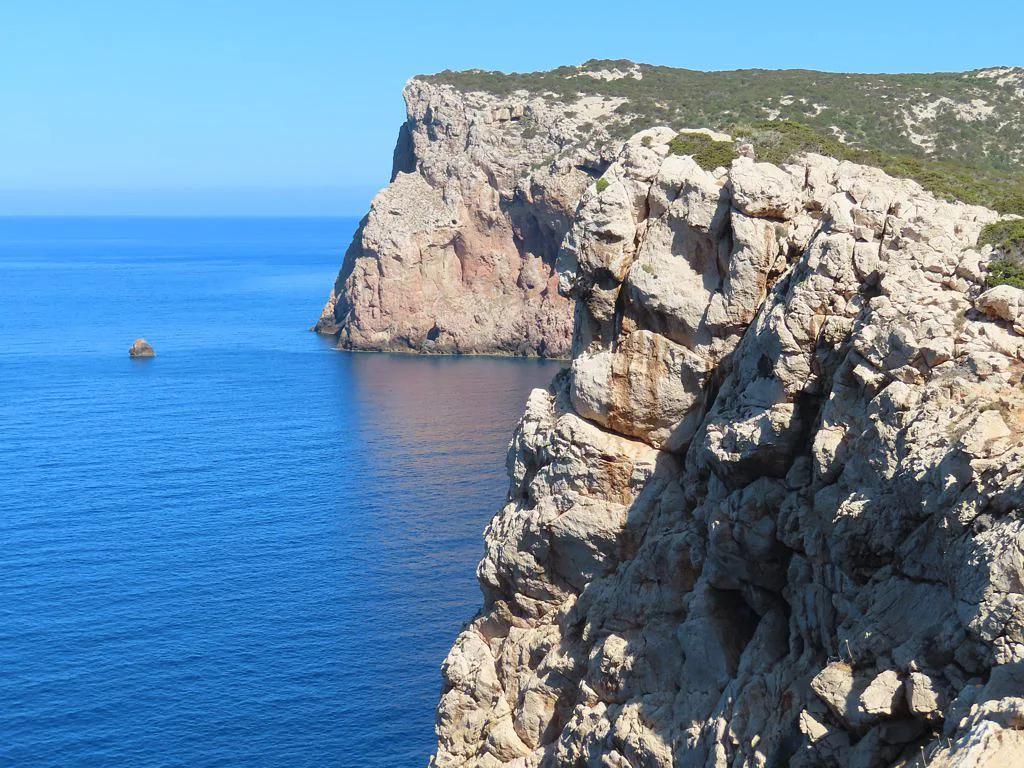
The drive north toward Capo Caccia delivers the dramatic scenery, with the promontory pushing into the sea and the Belvedere Foradada offering a lookout over the cliffs below. You can enjoy this without entering Neptune's Cave, which makes the cliff-top the dependable fallback when boats are cancelled or slots are gone.
This is the clearest cost split in the area: the panorama is yours for the drive, while the cave adds a separate ticket. The official ticket page lists prices under the heading for 2025, so treat those figures as out of date and check the current rate before you set a budget.
Sunset here is a different proposition from the bastions, because the show is the cliffs and the open sea rather than the town. Arrive with time to spare before dusk, and keep a torch or phone light for the drive back on unlit roads.
The Escala del Cabirol: Effort Test for the Stepped Descent
The Escala del Cabirol is the long staircase carved into the cliff face down toward the cave entrance, and it is the honest measure of your day's effort. Going down is straightforward; the climb back up is where the work is, and it is fully exposed to the sun.
Published figures for the step count conflict between sources, so plan for a long descent rather than a specific number. Carry water and a hat, and consider the morning slot before the cliff face heats up.
If the stairs sound like punishment, park at the top for the views and skip the descent entirely. The cliff scenery is the reward either way, and nobody is counting whether you reached the cave door.
Neptune's Cave by Boat or by Land: Two Different View Experiences
By sea, the crossing gives you the cliffs from the water and drops you near the cave mouth, bypassing the stairs. By land, you drive up, then take the staircase down, which trades a boat fare for legwork and a car park. For wider planning, see Hidden Gems in Alghero.
The official ticket page states that from June to October the Capo Caccia ticket office is not active, so tickets must be bought online or at the Casa Gioiosa and port ticket offices. Booking a time slot for a land visit is mandatory even when you pay at a physical counter. Further visitor details appear in Info Ticket · Grotta di Nettuno.
Rough weather can suspend the boat service, so keep the cliff-top view as plan B. Cave entry, the boat and any shuttle are separate costs, and none of them is included in the others.
Porto Conte and Punta Giglio: Adding a Coastal Drive
Porto Conte Regional Natural Park stretches along the coast north of the city, with rocky headlands, coves and pine forest along the drive. Punta Giglio, a cliff inside the park, adds another sea-facing lookout to the same loop as Capo Caccia.
A car turns this into a relaxed half-day of viewpoints rather than a single destination. Without one, you can still reach the city-side beaches on foot or by local transport, but the park and Capo Caccia become harder to string together.
Longer Outlooks: La Pelosa and Stintino as a Day Trip
La Pelosa near Stintino is roughly an hour's drive north and delivers the postcard view of shallow turquoise water with Isola Piana behind it. It is a day trip from Alghero, not a substitute for the city's own viewpoints, so slot it in only if you have a spare day.
This beach is regulated to protect the sand, with advance booking through the official system and rules that include no towels directly on the beach. Check the current rules before you drive up, because being turned away at the gate wastes the trip.
Suggested Plans: A Half Day and a Full Day of Views
For a half day, walk the bastions from Porta a Mare to Piazza Sulis in the late afternoon, note the towers en route, and finish with a drink above the water at golden hour. That is free, flat and flexible, and it leaves you close to dinner in the old town.
For a full day, drive to Capo Caccia in the morning, take the cliff-top lookouts and the Belvedere, then decide on the cave: book a slot and tackle the stairs, or ride the boat if the sea allows. Return via Porto Conte for a slower coastal drive.
Keep the plans reversible. Weather, boat cancellations and tower closures can all reshape the day, so hold the free walks as the constants and treat the ticketed and stepped options as the variables.
Plan Your Visit
Alghero rewards a viewpoints-first approach because the cheapest options are also the most reliable: the bastion circuit, the promenade and the cliff-top lookouts need no booking and no schedule. Add the cave only when you want the descent and are prepared to book a slot.
Check the official cave ticket page for current pricing and booking rules before you commit, and keep a free fallback in mind for windy days. Everything else is a matter of shoes, water and timing the light.
Frequently Asked Questions
Are Alghero's bastions free to walk?
Yes. The sea walls function as public streets, and walking them from Porta a Mare to Piazza Sulis costs nothing. No source publishes opening hours for the walls, so plan around daylight and weather rather than a schedule.
Where do you get the best sunset views in Alghero?
The west-facing bastions are the classic choice for evening light, with restaurants and bars spilling onto the ramparts. Capo Caccia offers a wilder sunset over the cliffs, but you will need a car and a light for the drive back. Both are editorial suggestions rather than official designations.
Can you see Capo Caccia without visiting Neptune's Cave?
Yes. The drive and the Belvedere Foradada lookout give you the cliff scenery without a ticket. Cave entry is a separate purchase, and the cliff-top view is the dependable fallback when boats are cancelled.
How hard is the Escala del Cabirol staircase?
The descent is manageable, but the climb back up is sustained and fully exposed to the sun. Sources give conflicting step counts, so plan for a long staircase rather than a specific number, and carry water.
Do you need a car for Alghero's best viewpoints?
No for the old town, the bastions and the promenade, which are walkable. A car helps for Capo Caccia, Porto Conte and day trips to Stintino.
Is the boat to Neptune's Cave worth it for the views?
The crossing shows you the cliffs from the water and skips the stairs, which suits anyone unwilling to climb back up. Cave entry does not include the boat fare, and rough seas can suspend the service, so keep a cliff-top plan in reserve.
Sources
- Alghero Travel : Best Places to Visit & Restaurants
- What to See in Alghero and Surroundings: The Best Attractions
- The Best Things to Do in Alghero, Sardinia: A Complete Travel Guide - Bon Traveler
- 10 Best Things to Do in Alghero, Northern Sardinia (+ Map!)
- Visit Alghero Italy ⭐️ Unmissable Things to Do in 2026
- Top Things to See in Alghero ⋆ Lifeguin
- Coral Museum, Museum in Sardinia, Italy
- Torre Porta a Terra | Alghero, Italy | Attractions - Lonely Planet
- Grotta di Nettuno: sito ufficiale della Città di Alghero
- Info Ticket · Grotta di Nettuno
Continue exploring
More guides you'll find useful





