
Alghero Three-Day Itinerary: Old Town, Sea Caves & a Day Trip
A slow three-day Alghero plan: old-town lanes and bastions, Neptune's Caves by boat or stairs, and one day out, with what to confirm before you go.
On this page
Alghero packs an unusual amount into a small compass: a walled historic centre with Catalan legacies, coral workshops, two compact museums, and a coastline of cliffs and caves just outside town. Trying to see all of it in a single day leaves you rushing the parts that are best enjoyed slowly. Three days let you give the town, the coast and one out-of-town excursion their own breathing space.
The plan below is an editorial suggestion, not a route endorsed by the Comune di Alghero or the local tourist consortium. It runs day one in the old town, day two along the coast and into Neptune's Caves, and day three either inland among Nuragic sites or out to a famous beach. Treat each block as swappable and keep one afternoon loose for whatever the weather does.
Before You Go: What to Book and What to Decide on the Ground
Two decisions are worth making before you arrive: how you want to reach Neptune's Caves, and whether day three is an archaeology day or a beach-transfer day. Everything else, from museum timings to dinner reservations, can be settled once you see how the days are shaping up. Build in one flexible afternoon so a grey morning does not wreck the whole structure.
Pack shoes you can walk in for hours. Travel accounts describe the lanes of the historic centre as paved with large, uneven pebbles, which makes heels and thin soles a poor choice for a day of wandering. That single packing decision will do more for your trip than any reservation.
For anything with a timetable attached — cave entry, boat departures, museum hours — check current information with the Comune di Alghero and the tourist consortium rather than relying on a blog post or guidebook. Schedules and admission arrangements shift with the season, and Alghero's own visitor pages are the sensible place to confirm before you commit a morning.
Day 1 Morning: Lanes, Walls and Bastions at an Unhurried Pace
Start with the historic centre on foot. The old town is a knot of narrow paved alleys lined with small restaurants, craft shops, bars and low houses, and the pleasure is in the wandering rather than in ticking off addresses. Give yourself a couple of hours to get pleasantly lost among the hidden corners and postcard-sized views. If you want a deeper dive into the less-visited corners later, keep the hidden gems in Alghero guide for an afternoon slot.
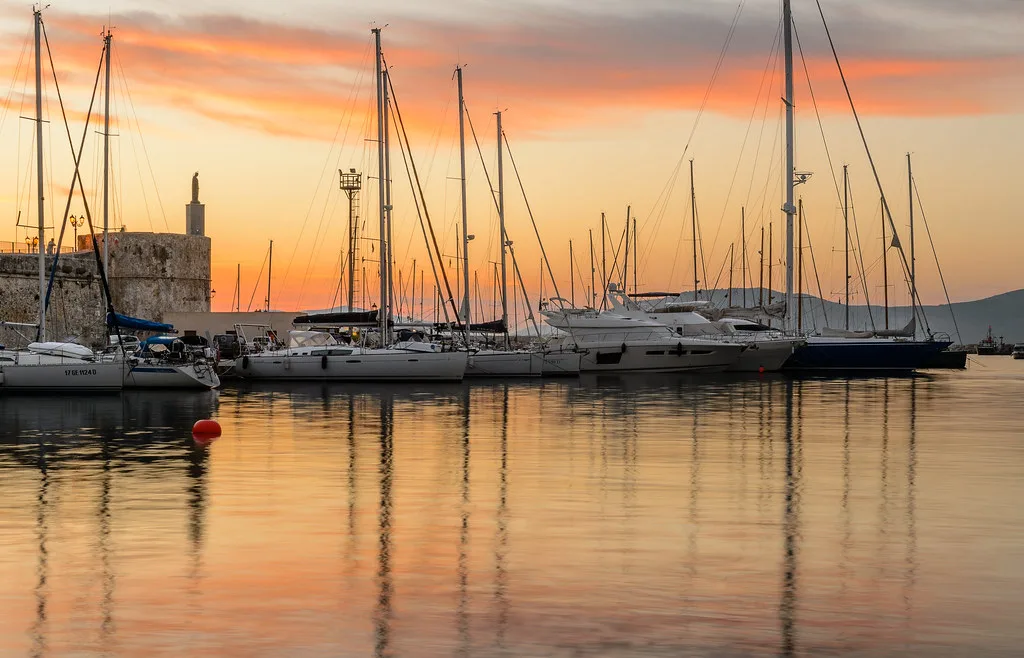
Then walk the sea-facing edge of the city. Alghero is one of the few Sardinian towns to have kept almost all of its walls and towers, first laid out in the twelfth century and substantially rebuilt in the sixteenth, and the surviving bastions from San Giacomo to Porta Terra trace the old landward approach from Sassari. The seafront walk combines those fortifications with open sea views, so it earns its place even on a short trip.
Day 1 Afternoon: Cathedral and Coral Museum, Without Rushing
The Cathedral of Santa Maria sits in Piazza Duomo, a stone's throw from the port. Its plain white neoclassical front hides a late-Gothic rear with a majolica-tiled bell tower spire that recalls Catalan models, and the interior is a broad late-Renaissance space divided into three naves. It is one of the largest churches in Sardinia and easy to fold into a town walk.
The Coral Museum is the natural companion, since Alghero's identity is bound up with the red coral trade. Housed in an Art Nouveau villa on Via XX Settembre, it traces the story of the marine organism and the local craft rather than simply displaying jewellery, and explanatory panels accompany the objects. Opening times are not fixed enough to rely on from secondary sources, so confirm current hours with the town before you build an afternoon around it.
If you only have room for one, choose according to mood: the cathedral for architecture and a quiet interior, the museum for craft and natural history. Doing both properly takes most of an afternoon, which is why this plan keeps the Archaeological Museum for day three. Leave the last hour free for the coral workshops, where the displays are worth a browse even without a purchase in mind.
Day 1 Evening: Seafood in the Old Town
Dinner in the old town is where Alghero's seafood reputation gets tested. Catalan-style lobster is the headline dish, but the everyday menu is broader and cheaper: agliata, a garlicky tomato sauce often served with starters, and first courses dressed with prawns, swordfish, bottarga, mussels, clams or scampi. Restaurants also list catch of the day, fried fish and larger cuts such as tuna, and most keep land and vegetarian options on the menu.
Book a table rather than gambling on a walk-in, especially if you want one of the better-known addresses in the centre. Prices vary widely by dish and season, so check the menu board before sitting down instead of assuming a figure from an old review. The consortium's member listings are a reasonable starting point for vetted local businesses.
Day 2 Morning: Neptune's Caves by Boat or by the Staircase
The Grotta di Nettuno, a labyrinth of ravines and stalactites under the Capo Caccia promontory, is the centrepiece of day two, and the main decision is how to arrive. By sea you take a boat from Alghero's port; by land you drive to the promontory and descend the Escala del Cabirol, a staircase reported at just under six hundred and sixty steps. The boat spares your legs but ties you to a departure time; the staircase gives you freedom but means climbing back up in the sun.
Cave visits themselves need to be arranged, and the route you choose affects how that works: boat passengers have their numbers passed on by the operator, while land-based visitors arrange entry through the local tourism office. Ticket costs and departure frequencies change with the season, so confirm the current details with the tourism office before travelling rather than trusting a figure quoted online.
In calm conditions boats are said to run only a couple of times a day outside high season, while July and August bring extra departures — which still does not make last-minute seats a safe bet. Booking a few days ahead is the sensible hedge. If steep stairs or heat are a concern, the boat is the kinder option, and it also gives you the cliffs from the water on the way.
Day 2 Afternoon: Capo Caccia and Porto Conte
However you reach the cave, give the rest of the afternoon to the coast above it. The cliffs of Capo Caccia and the surrounding Parco Naturale Regionale di Porto Conte are the draw in their own right: limestone drops, sheltered water and a marked change of scale from the town. The consortium describes the park as a varied landscape of high natural interest, and it is the sort of place where a slow walk beats a checklist.
Transport to and from the cape is seasonal and worth checking separately from cave entry, because the two are not sold or scheduled as one thing. Ask the tourism office about current connections, or plan on driving if you want to combine the cave with a park walk. Keep the cave booking confirmation separate from any transport arrangement so a change to one does not undermine the other.
Day 2 Evening: A Deliberately Quiet Night
After a day of stairs, boats and sea air, resist the urge to schedule anything. A late, simple meal near your base and an early night will leave you better prepared for day three, whether that means archaeological sites inland or a long transfer along the coast. If you want company, the old town's bars stay the easiest option; if not, a seafront bench on the bastions costs nothing.
Day 3 Option A: Nuragic Alghero and the Archaeological Museum
Inland from Alghero, the Nuragic village of Palmavera is the largest archaeological site in the area, built around a central keep with a third tower brought to light in relatively recent excavations. The necropolis of Anghelu Ruju, a cluster of rock-cut domus de Janas tombs, is the other principal stop, and the area also holds the Green Cave and the Nuraghe of Flumenelongu. This is a half-day of driving and walking between sites.
If you would rather not range across the countryside, the Archaeological Museum in the historic centre on Via Carlo Alberto covers similar ground in one building. Its sections run from shipwrecks found off the coast to Nuragic burial practices, with grave goods that reveal details of everyday life, and fragments of mosaic and sculpture from a Roman villa nearby. Note that the villa itself cannot be visited.
Museum hours float between sources and seasons, with some listings suggesting limited weekday opening and free weekend entry. That is exactly the sort of detail to confirm with the Comune before setting out, since arriving to a locked door wastes an afternoon you could have spent on the walls. Pick the museum or the open sites, not both, and you keep the day comfortable.
Day 3 Option B: A Long Beach Day at La Pelosa
The alternative day three is a beach run, and La Pelosa at Stintino is the obvious benchmark: very fine white sand and shallow turquoise water that stays knee-deep for several metres, which makes it unusually good for children. It sits roughly an hour's drive from Alghero, so it swallows most of a day rather than fitting around other plans. Choose it or the archaeology, not both.
Access rules and any capacity limits at La Pelosa change, and the evidence here is not current enough to state them. Check with the local tourism authorities before travelling. The same applies to boat trips to the Asinara park from Stintino, which are described as capped in number, so book through an operator rather than turning up on spec.
Where to Base Yourself and How to Move Around
Base yourself in or beside the historic centre if you want to walk to dinner and to the walls; that puts day one entirely on foot. For day two and day three a car gives the most flexibility, particularly if you plan to combine the cave with Porto Conte or to reach the Nuragic sites and Stintino. Without a car, the cave boat and organised excursions do the work instead.
Alghero is served by its own airport, with Olbia as the alternative arrival point if routes do not line up, and the coastal road from the west is scenic though winding. From central Sardinia the SS131 is the main approach, while from Olbia the shortest route runs through Sassari. Do not rely on published journey times for the cave or Stintino — check current connections locally.
Practical Pitfalls to Avoid
Verify museum hours the day before you plan to visit, and treat third-party listings as indicative rather than definitive. The same caution applies to cave entry and boat departures, which are the two things most likely to derail a carefully planned morning if you have assumed a schedule. One phone call or a check with the tourist office solves both.
If you buy coral, look for the municipality's official red A symbol displayed outside the shop, which indicates certified Mediterranean coral, and ask about the type and origin before committing. Prices differ by coral type and workmanship, so compare a few windows before deciding. And keep that promised flexible afternoon genuinely free — three days in Alghero go better with slack in them.
Making Three Days Work
Three days gives Alghero room to breathe: a town day that does not cram both museums into one afternoon, a coast day built around one carefully chosen way into Neptune's Caves, and a final day that goes either inland to the Nuragic sites or out along the coast. The structure matters less than the sequencing — coast in the middle, so a weather change only costs you a single day.
Confirm the volatile parts before you go: cave entry and boat departures with the tourism office, museum hours with the town, and any beach or park access rules with local authorities. Everything else in Alghero rewards improvisation, which is the point of giving it three days rather than one. For related planning, see Alghero Two Day Itinerary: Old Town, Nuraghe and Coast.
Frequently Asked Questions
Can you visit Neptune's Caves and the old town in the same day?
It is possible but rushed. The old town deserves a morning of unhurried walking along the pebbled lanes and bastions, while the caves involve either a boat trip or a long staircase descent and climb. Combining them usually means cutting one short. This plan puts the town on day one and the caves on day two, leaving an evening spare after the coast.
Is three days enough for Alghero and a day trip?
Yes, provided you treat the day trip as one full day rather than an add-on. Three days allows one day in the historic centre, one on the Capo Caccia coast with the caves, and one either at the Nuragic sites or on a beach such as La Pelosa near Stintino, which sits roughly an hour's drive away. Trying to fit both day-three options is where the plan breaks down.
Do you need to book Neptune's Caves in advance?
Cave visits need to be arranged, and the method depends on your approach: boat passengers have their numbers relayed by the operator, while land-based visitors arrange entry through the local tourism office. Outside high season boats run infrequently, so booking a few days ahead is wise. Confirm current ticket and departure details with the tourism office rather than relying on published figures.
What should you not miss on a first visit to Alghero?
The circuit of walls and towers along the seafront is the defining Alghero experience and costs nothing. Beyond that, the Cathedral of Santa Maria in Piazza Duomo and the Coral Museum pair naturally in one afternoon, and the Capo Caccia cliffs above Neptune's Caves justify the trip on their own. The Coral Museum is the more distinctive of the two museums for anyone interested in local craft.
Sources
Continue exploring
More guides you'll find useful





