
Alghero Self-Guided Walk: Old Town & Bastions Route
Plan a self-guided walk through Alghero's walled old town, using the cathedral, San Francesco and the bastioni as anchors. Suggested order and pacing tips.
On this page
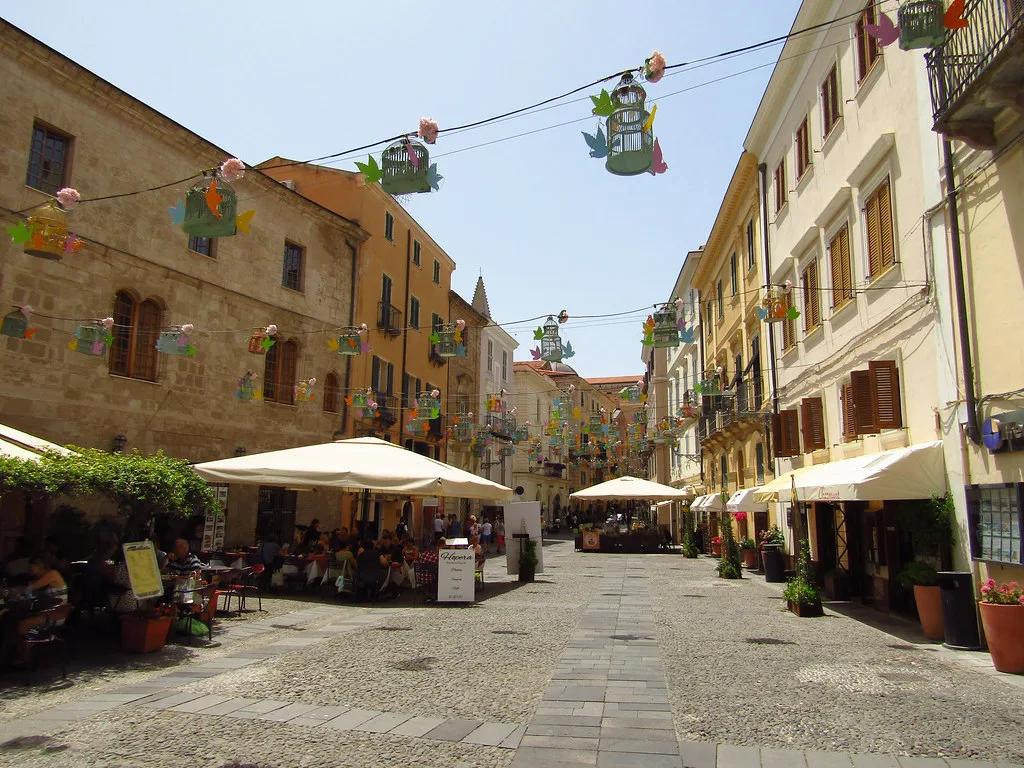
Alghero's historic centre is compact, walled and unmistakably Catalan in character, which makes it well suited to a walk you plan yourself. The Consorzio Turistico Riviera del Corallo describes a fortified city with lanes, Gothic churches, medieval towers and a coastline of cliffs and small bays. That combination means you can move from narrow streets to open-water views without any transport between them.
This guide proposes a sequence rather than an official itinerary: enter the walled centre, orient yourself around the cathedral area, look in on San Francesco, then finish along the bastioni. Treat the order as a suggestion and the walking time as an estimate, not a published figure. Details that depend on opening hours, tickets or access should be checked with the Comune di Alghero or at the individual sites before you rely on them.
Why the Walled Old Town Suits a Self-Guided Route
The old town's defining feature is density. Churches, towers and lanes sit within a short distance of each other inside the walls, so a walk needs little planning to feel substantial. The Consorzio Turistico Riviera del Corallo frames the centre as a fortified city shaped over centuries, with a language and festival calendar still tied to Catalonia.
The coastal setting does the rest. Because the historic centre meets the sea along its western edge, you can pair street-level wandering with a raised walk along the walls in a single loop. If you want to slow down further, the wider selection of overlooked corners in our hidden gems in Alghero guide pairs naturally with this route.
One honest caveat: the sources describe the character of the centre but do not publish a step-by-step route, distances between stops or an official walking time. Build your own pace into the plan and use the sequence below as scaffolding, not a schedule.
Before You Set Off: What to Fix and What to Leave Open
Fix the things that close. Church interiors, any ticketed collections and site-specific access rules are the details most likely to disrupt a walk, so confirm them on the day with the Comune di Alghero or at the site itself. Opening hours and admission arrangements are not published in the material available here, so do not assume a mid-afternoon church interior will be open.
Leave the rest flexible. The streets and open-air wall sections are the backbone of the route and need no booking, so a walk still works if an interior turns out to be closed. Weather exposure matters too: the bastioni are open to sun and wind, so plan the wall section for the cooler part of the day in summer and carry water.
Orientation: How the Pieces Fit Together
Think of the centre as a walled oval. The cathedral area and San Francesco sit inside it, linked by lanes, while the bastioni run along the seaward edge as a raised promenade. That geometry is what makes a loop possible: you cross the interior on foot, then return along the walls.
Start from the landward side near the main entry points into the historic centre and work outward toward the water. Doing it this way means the sea views arrive as a reward at the end rather than as the first thing you see. Our Alghero Attractions hub is the place to check individual sights before deciding which interiors to prioritize.
Suggested Route Order, Stop by Stop
Step one: enter the Centro storico and follow the lanes inward, noting the towers and Gothic detailing as you go. This is warm-up walking, not a destination, and it lets you adjust to the scale of the centre before committing to specific stops.
Step two: the cathedral area. Use it as a fixed point to orient yourself, and check on arrival whether the interior is open to visitors that day. If it is not, the surrounding lanes still justify the detour and you lose little time.
Step three: San Francesco. Approach it from the cathedral side so the two church stops sit close together in the middle of the walk. The same rule applies here: treat the exterior as reliable and the interior as something to confirm on site.
Step four: out onto the bastioni. Leave the built-up lanes and follow the wall line along the seaward edge, walking it as a continuous stretch rather than stopping once for a photo. The Consorzio's description of cliffs and small bays immediately below the fortified centre explains why this edge is the route's natural finale.
Where to Pause: Treating the Bastioni as a Viewpoint Sequence
The common mistake is to photograph the walls once and leave. Instead, break the bastioni into three or four short pauses, each a few minutes apart, so the light and angle keep changing as you move. Because the centre sits directly on the coast, each pause gives a slightly different reading of the same sea.
Specific viewpoints are not documented in the available sources, so choose your own pauses where the wall opens out and where you can step aside safely. Keep the walking line clear for others, particularly where the promenade narrows. Late afternoon tends to give the most flattering angle on the sea, but that is a preference rather than a published recommendation.
How Long It Realistically Takes, and How to Adjust
As a rough planning estimate rather than a verified figure, allow about two hours for the loop at an unhurried pace with several bastioni pauses, and closer to half a day if you add interior visits and a long lunch. A short version, cutting the interior stops and walking only the lanes plus the wall stretch, can be done in well under an hour.
To shorten: drop one church, keep the cathedral area, and go straight to the walls. To extend: add a second pass through the lanes after the bastioni, when the light has changed and the streets feel different. Anyone with limited time should prioritize the wall section, because the sea edge is what distinguishes this walk from any other Italian old town.
Free Grounds Versus Paid Interiors
Separate two categories before you start. The streets and the open-air wall sections are public space and cost nothing to walk. Church interiors, any museum rooms and ticketed collections are separate propositions with their own arrangements, and none of the sources here state current prices or hours.
That distinction protects your plan. Build the route around the free, always-available layer, then treat interiors as optional add-ons you confirm on the day. Do not assume a single ticket covers several churches or that one site's arrangements apply to another.
Practical Pitfalls: Heat, Surfaces and Timing
The centre is old, and old towns mean uneven paving, steps and narrow lanes. Wear shoes you can walk in for an hour or two without thinking about them, and expect to change direction often. The walls add sun and wind exposure on top of that, so a hat and water are sensible from late spring onward.
On timing, avoid planning the wall section for the middle of a hot afternoon in high summer, and expect the lanes to be busiest when day visitors arrive. The municipal site publishes seasonal notices that can affect traffic and access around town, so a quick check before you go is worthwhile.
After the Walk: Widening the Loop
Once you leave the walls, the surrounding Riviera del Corallo gives the walk a wider frame. The tourist board presents the area as a base for the Porto Conte natural park and the Capo Caccia cliffs, both within the same coastal territory. Treat these as geographic context for a longer stay rather than as part of the walking route itself.
If you have a second day, spend it on the coast and parks rather than repeating the old town. The city's tourism pages are the sensible starting point for what is currently running and how to reach the surrounding areas, since transport details change and are not covered here.
Plan Your Visit
Alghero rewards a walker who arrives with a sequence rather than a schedule. Enter the walled centre, use the cathedral area and San Francesco as anchors, and let the bastioni carry you back along the sea. Confirm interiors and any current local notices before you set out, and keep the rest of the day loose.
For the sights themselves, work through the guides on our Alghero Attractions hub, and for the quieter corners that do not fit on a first loop, keep the hidden gems in Alghero list for a return visit. For related planning, see San Francesco Church in Alghero: What to Know Before You Go.
Frequently Asked Questions
How long does a self-guided walk of Alghero's old town take?
No official walking time is published, so treat any figure as an estimate. As a planning guide, allow roughly two hours for the lanes, the cathedral area, San Francesco and a relaxed stretch along the bastioni, and closer to half a day if you add interior visits and a meal. A short version covering just the streets and the walls can be done in under an hour.
Can you walk the bastioni in Alghero without a guide?
The wall line along the seaward edge of the historic centre is open-air public space, so you can walk it on your own. Specific viewpoints and access arrangements are not documented in the sources used here, so choose pause points where the wall opens out and where you can step aside safely, and check locally if anything looks closed off.
Are Alghero's churches free to enter?
Do not assume so. The streets and open-air wall sections are free public space, but church interiors and any museum or ticketed collections are separate and may have their own arrangements. Current hours and admission details are not confirmed in the available material, so check with the Comune di Alghero or at the site on the day.
Sources
Continue exploring
More guides you'll find useful





