
Museo del Duomo Ferrara: Cathedral Museum Guide
A guide to Ferrara's Museo del Duomo in the former church of San Romano: medieval reliefs, tapestries, choir books, opening hours and ticket scope.
On this page
The Museo del Duomo, also called the Museo della Cattedrale, occupies the former church of San Romano on Via San Romano in central Ferrara. It is a civic museum holding art made for the cathedral, not the cathedral itself, and that distinction shapes your ticket, your timing and what you should expect to see. The cathedral of San Giorgio stands a short walk away and is entered on its own terms.
A city visiting guide lists the museum with a morning block from 9:30 to 13:00 and an afternoon block from 15:00 to 18:00, closed on Mondays, while warning that times and days can change and asking visitors to telephone or check the official website first. Those hours are a pattern to verify, not a promise for your travel date.
What the Museo del Duomo Actually Is
This is a museum of cathedral art, assembled from works originally displayed in the duomo. Travel listings describe it as part of Ferrara's civic museum system dedicated to ancient art, housed in the former Church of San Romano. Its identity is therefore double: a former church as container, and a treasury of detached objects as contents.
Do not expect one combined experience with the cathedral. The duomo on Piazza Cattedrale is a working church that the guide source lists as free to enter, with its own worship schedule, while the museum is a separate civic collection with its own admission. Planning them as two stops prevents the most common misunderstanding at this address.
An official museum website exists at museodelduomofe.it, and it is the place to look for current notices. Make it your last check before setting out, because third-party listings rarely carry same-week changes, and a notice on the museum's own pages outranks any reprinted timetable.
How It Relates to the Cathedral Itself
The museum sits on Via San Romano in the historic centre, in the same dense knot of streets as the cathedral. One travel listing places the cathedral museum roughly 89 metres from the duomo and about 284 metres from the Castello Estense, which gives a realistic sense of scale: these are neighbouring stops, not separate excursions.
That proximity makes an obvious pairing, but keep the logic straight. Visit the cathedral for the building and its ongoing religious life, then cross to San Romano for the detached artworks, vestments and books. The cathedral's times are listed separately from the museum's, so do not carry one timetable over to the other.
The heart of Ferrara is compact enough to walk between these sites, and much of its appeal lies in exactly this kind of short hop between ecclesiastical and civic buildings. If you want to widen the day beyond the cathedral square, many hidden gems in Ferrara lie on foot in the same quarter.
Collection Highlights in the Former Church of San Romano
The core of the collection is sculpture and stonework: medieval reliefs, including pieces associated with the Maestro dei Mesi, alongside works linked to Rossellino. These are the objects to slow down for, because relief carving rewards close looking at depth and surface in a way photographs flatten.
Textiles and manuscripts form the second strand. The museum holds tapestries and liturgical books, including fifteenth-century choir books. Works on paper and textiles are sensitive to light, so expect subdued display conditions and accept that individual pieces may be rotated off view between seasons.
Paintings by Cosmé Tura anchor the Ferrarese story, and the museum is also associated with Hans Karcher. A concise museum list names the same building as the Cathedral Museum and describes its holdings of tapestries, sculpture and paintings from the cathedral. If your interest is the School of Ferrara more broadly, this makes a natural first stop before the larger galleries.
Shaping a Short Visit
With limited time, work backwards from what you cannot see elsewhere. Choose one relief group, one textile and one painting rather than trying to cover every display case. The Maestro dei Mesi material and the Tura paintings give the strongest sense of local identity, while the choir books show how the cathedral actually functioned day to day.
A suggested duration of roughly one to two hours suits a museum of this size; it is a planning suggestion, not official guidance, and a specialist in medieval sculpture will want longer. One travel listing offers a recommended visiting time of one to two hours, which fits a compact civic collection rather than a national gallery.
Arrive early within a block if you can. Small museums with fragile objects sometimes limit access to particular rooms, and having time in hand lets you absorb one closed case without losing the whole visit.
Opening Hours and Closures to Verify
The most detailed source consulted lists two daily blocks, 9:30 to 13:00 and 15:00 to 18:00, and a Monday closure, with a warning that times and days can change and a request to telephone or check the official website before visiting. Treat those hours as a pattern to verify, not a guarantee for your date.
A separate listing shows the same morning and afternoon pattern and also closes on Monday, which corroborates the shape of the day without confirming any specific date. Neither source should be read as a 2026 confirmation, and holiday variations around Christmas and Italian public holidays are exactly what to check directly.
Some listings mention extra openings on particular dates, such as 2 June and certain December days. These are the details most likely to be out of date, so ignore them when planning and instead confirm the week of your trip through the museum's own channels.
Tickets, Reductions and What Is Not Included
The museum is a paid civic collection, while the cathedral is free to enter. The guide source consulted describes a charged museum admission and states that under-18s enter free, with the MyFE Ferrara tourist card giving reduced entry to most city museums. It gives no price, so check the current fee with the museum rather than budgeting from old figures.
The MyFE card is a decision to weigh rather than a formality. If you plan to visit several civic museums, the card is presented as a way to reduce entry across most of them; if the cathedral museum is your only stop, the calculation changes. Ask at the museum which collections the card covers on your dates before buying.
Nothing in the sources supports a combined museum-and-cathedral ticket. Plan and pay for them separately, and do not assume a museum ticket admits you to the cathedral interior or to any other civic site, each of which sets its own admission.
Common Mistakes to Avoid
The three recurring errors are simple. First, assuming the museum is the cathedral. Second, arriving between the morning and afternoon blocks. Third, planning the visit on a Monday, when the guide source lists the museum as closed. Each costs you a wasted crossing of the centre.
A fourth is trusting a single aggregator. Listings that reproduce hours and addresses without a date can lag behind reality, and the museum's own site is the likeliest place to carry a current notice. Cross-check the Via San Romano address and the day's opening before leaving your hotel.
Nearby Museums to Pair With It
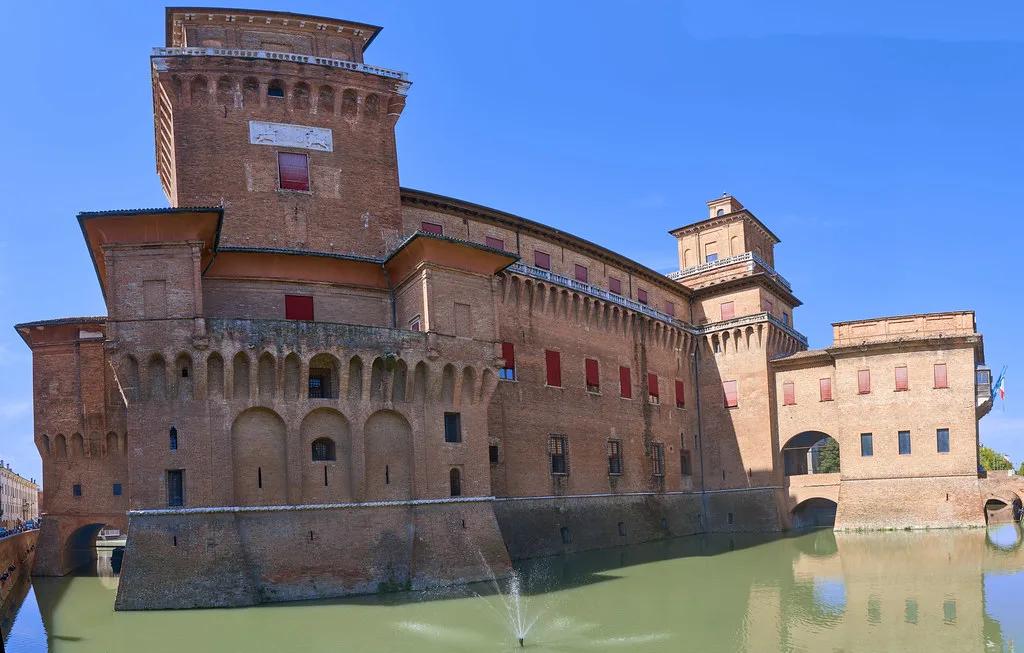
Ferrara's museum cluster makes pairing easy. The Pinacoteca Nazionale occupies the upper floor of Palazzo dei Diamanti on Corso Ercole I d'Este, while the palace's ground floor hosts international art exhibitions. The Castello Estense, the Este water castle built in 1385, is a short walk away and is separately ticketed.
Palazzo Schifanoia on Via Scandiana, with its celebrated fresco cycle, is another separate civic museum with its own hours and Monday closure. The National Archaeological Museum at Palazzo Costabili holds Etruscan finds from Spina, a different pleasure entirely.
Be aware that several Ferrara museums are closed for major renovations, including the Casa Romei museum and the natural history museum, with reopening projected for 2027 in the guide source. Check status before building a museum-heavy day, and keep a walk along the city walls as a flexible alternative.
A Suggested Half-Day Around the Cathedral Square
Start at the cathedral on Piazza Cattedrale when it is open to visitors, allowing time for the facade and interior before the museum. Then walk to Via San Romano for the cathedral museum's morning block. This order keeps the free and paid elements in a logical sequence and leaves your afternoon open.
After a lunch break in the surrounding streets, choose one companion museum rather than two. Palazzo Schifanoia or the Pinacoteca Nazionale both reward a slow hour, and both are close enough to reach on foot. This is a suggested shape for the day, not an official itinerary.
Finish with an unhurried walk along the walls, which the guide source describes as always open, free and used by pedestrians and cyclists, or drop into one of the city's free churches. The wider Ferrara Attractions collection is a useful next read if you want to extend the trip to the Palazzo Diamanti or beyond.
Plan Your Visit
The Museo del Duomo is best understood as a compact treasury of cathedral art in a former church, a few minutes from the duomo it served. Check its own site for current notices, confirm the day's hours by phone if you can, and budget separately for it and for the free cathedral next door.
If your taste runs to medieval sculpture, Ferrarese painting and liturgical books, this is a worthwhile stop that slots neatly into a cathedral-square morning. If you have time for only one museum in Ferrara, weigh it against the larger Pinacoteca and the frescoes at Schifanoia, and let your interests decide.
Frequently Asked Questions
Is the Museo del Duomo the same as Ferrara Cathedral?
No. The Museo del Duomo, also called the Museo della Cattedrale, is a civic museum housed in the former church of San Romano on Via San Romano. It displays artworks and objects made for the cathedral. The cathedral of San Giorgio on Piazza Cattedrale is a working church listed as free to enter, and it follows its own opening pattern, so plan the two as separate stops.
What can you see inside the Museo della Cattedrale?
The collection centres on medieval stone reliefs, tapestries and fifteenth-century choir books, with works linked to Cosmé Tura, Rossellino, the Maestro dei Mesi and Hans Karcher. Because many of these objects are fragile, lighting is kept low and individual pieces may be rotated off display.
When is the cathedral museum open, and is it closed on Mondays?
A detailed visiting guide lists a morning block of 9:30 to 13:00 and an afternoon block of 15:00 to 18:00, with a Monday closure, while warning that times can change. Another listing shows the same pattern. Confirm the current schedule with the museum or on its official site before you travel, especially around public holidays.
Do you need a separate ticket from the cathedral?
Yes. The museum is a paid civic collection, while the cathedral itself is listed as free to enter. No combined museum-and-cathedral ticket is documented, and a museum ticket should not be assumed to admit you to the cathedral interior or to other civic sites.
Is entry free for under-18s, and does the MyFE card help?
The guide source consulted describes under-18 entry as free and presents the MyFE Ferrara tourist card as giving reduced entry to most city museums. It does not quote a price, so ask the museum for the current fee and confirm which sites the card covers on your dates.
How long should you allow for the museum?
A suggested allowance of about one to two hours suits a compact civic collection and matches the recommended visiting time given by one travel listing. This is a planning suggestion, not official guidance; visitors with a specialist interest in medieval sculpture will want longer.
Which nearby museums are worth pairing with it?
The Pinacoteca Nazionale in Palazzo dei Diamanti, the Castello Estense and Palazzo Schifanoia are all separately ticketed museums within walking distance of the cathedral square. Several other civic museums are closed for renovation, so check current status before planning a museum-heavy day.
Sources
Continue exploring
More guides you'll find useful





